To start a business in India, you pick an idea that fits your money and skills, find a spot and test it, set aside working capital as well as setup cost, get the basic registrations (usually Shop & Establishment, a municipal trade licence, Udyam, plus FSSAI for food and GST only above the threshold), open a current account with a UPI QR, set your prices, and then watch your numbers closely for the first 90 days. For a small shop the whole process typically takes four to eight weeks.
This guide walks through each step with real costs and rules as of late 2026. It is written for small, local businesses (a chai stall, kirana, salon, tiffin service or repair shop), not for tech startups.
Step 1: Choose an idea that fits you
Start with your budget, your daily time and a skill you already have, not with what is trending online. A business that uses your skill earns more and survives longer. If you are still deciding, our decision guide on which business to start takes you through six questions to get a shortlist, and the most profitable businesses guide compares profit, return and payback for 30 businesses.
Before you commit, talk to two or three people already running the same business in another area. Ask what they wish they had known. Most will tell you about one hidden cost: milk for a Chai business stall, expiry for a Medical store store, udhaar for a Kirana store, staff leaving a Salon or beauty parlour.
Step 2: Find and test the location
For most small businesses the spot decides more than anything else.
- Count customers. Stand near similar shops at your planned opening hours for at least three days, including a weekend. Count people per hour and estimate the average bill.
- Check what is around. A college gate is quiet on Sundays. An office area is dead on weekends. A market chowk is busy all day, but rent and eviction risk are higher.
- Check rent against sales. Rent norms differ by business: our notes put a healthy kirana below about 4% of sales, a salon at 10% or less, and a bakery at 10–15%. Above 25% is a danger zone.
- Understand the lease. Deposits of 3–10 months' rent, 11-month leave-and-licence agreements and 5–10% yearly escalation are common (estimates). Get it in writing.
- For carts and stalls: under the Street Vendors Act 2014, you need a Certificate of Vending from the Town Vending Committee. Many vendors operate without one, which leaves them exposed to municipal drives and confiscation.
Step 3: Work out your budget and working capital
Split your money into setup and working capital. Setup is the one-time cost: cart or shop deposit, interiors, equipment, signage, first licences and opening stock. Working capital pays for stock, rent, wages and your household until the business covers its costs, which rarely happens in month one.
A simple rule: keep at least two to three months of running costs in cash after setup. Some reference setup costs from our research (tier-2 prices):
| Business | Setup from | Typical shop: setup | Typical shop: profit a month (tier 2 city) |
|---|---|---|---|
| 🥬 Vegetable shop | ₹20,000 | ₹20,000 | ₹17,500–₹39,000 |
| ☕ Chai business | ₹25,000 | ₹60,000 | ₹55,000–₹1.1 lakh |
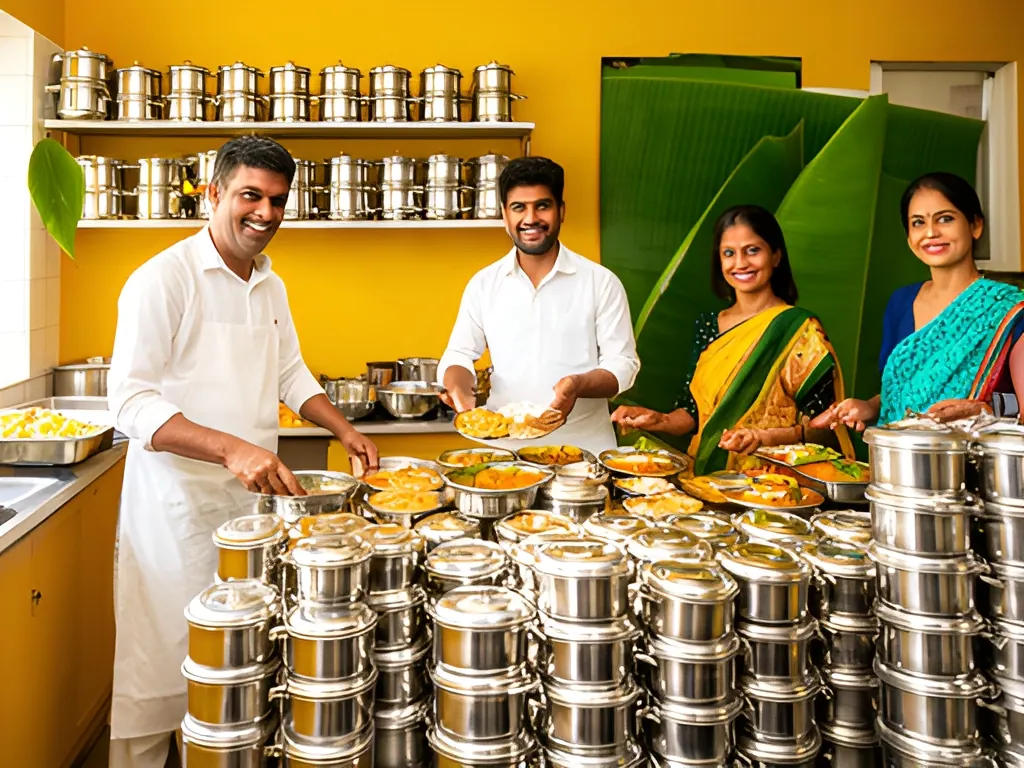
| 🍱 Tiffin service | ₹40,000 | ₹1 lakh | ₹17,500–₹30,500 |
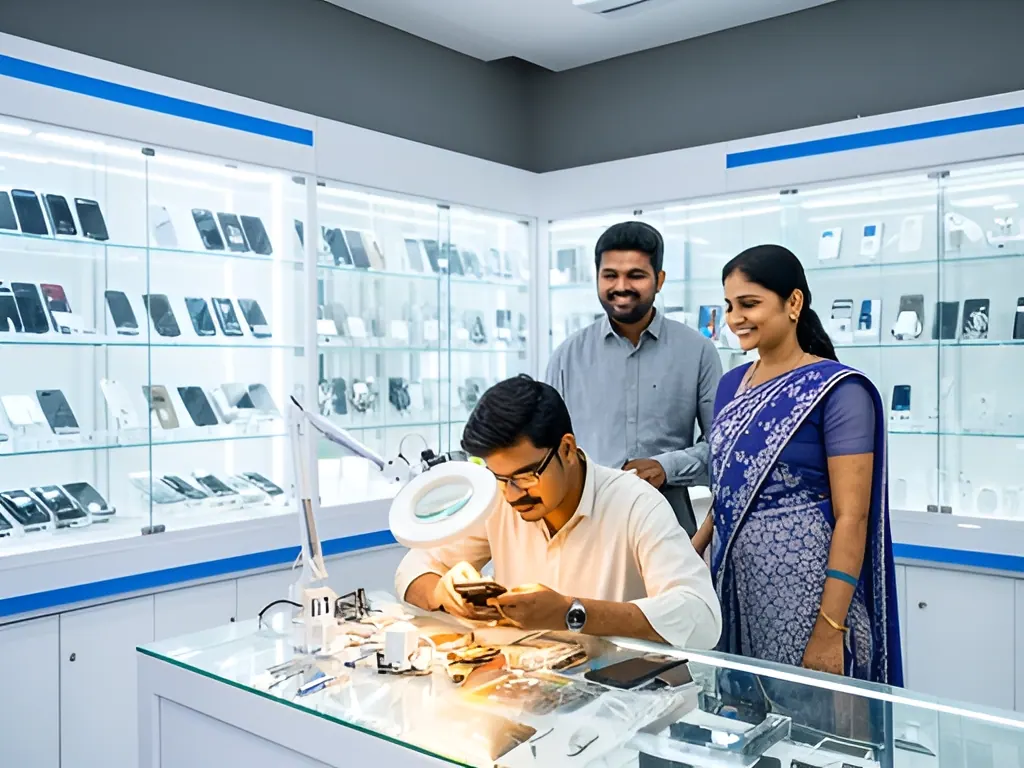
| 📱 Mobile repair shop | ₹45,000 | ₹1.5 lakh | ₹24,000–₹69,500 |
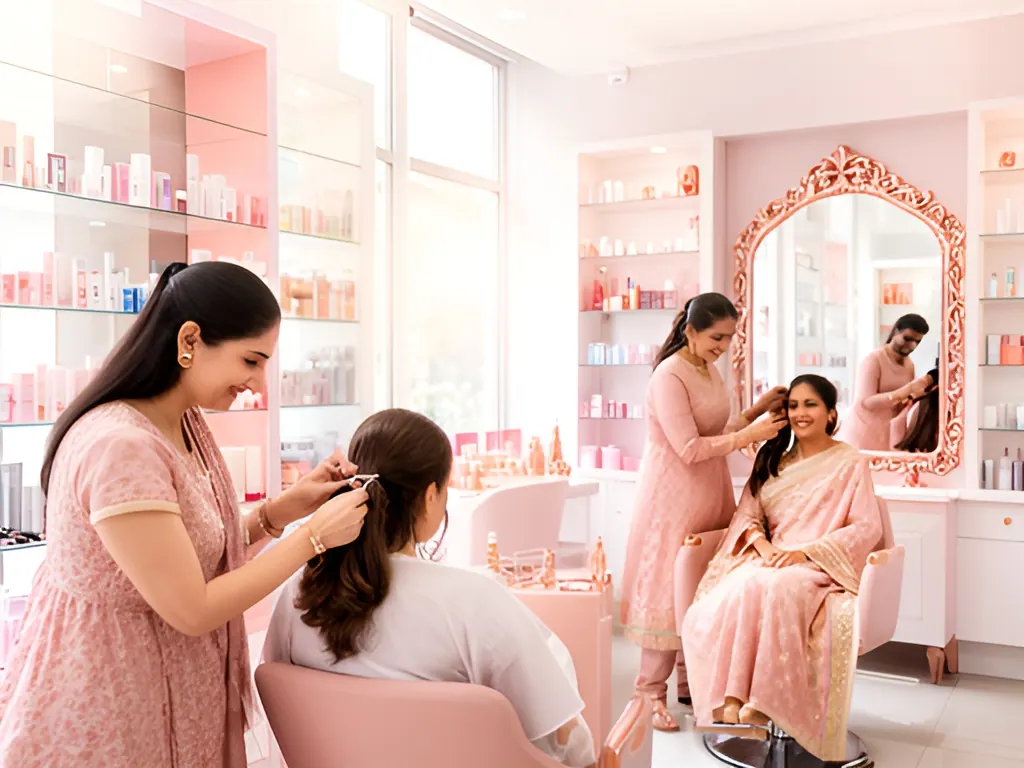
| 💇 Salon or beauty parlour | ₹1.8 lakh | ₹2.5 lakh | ₹40,000–₹78,000 |
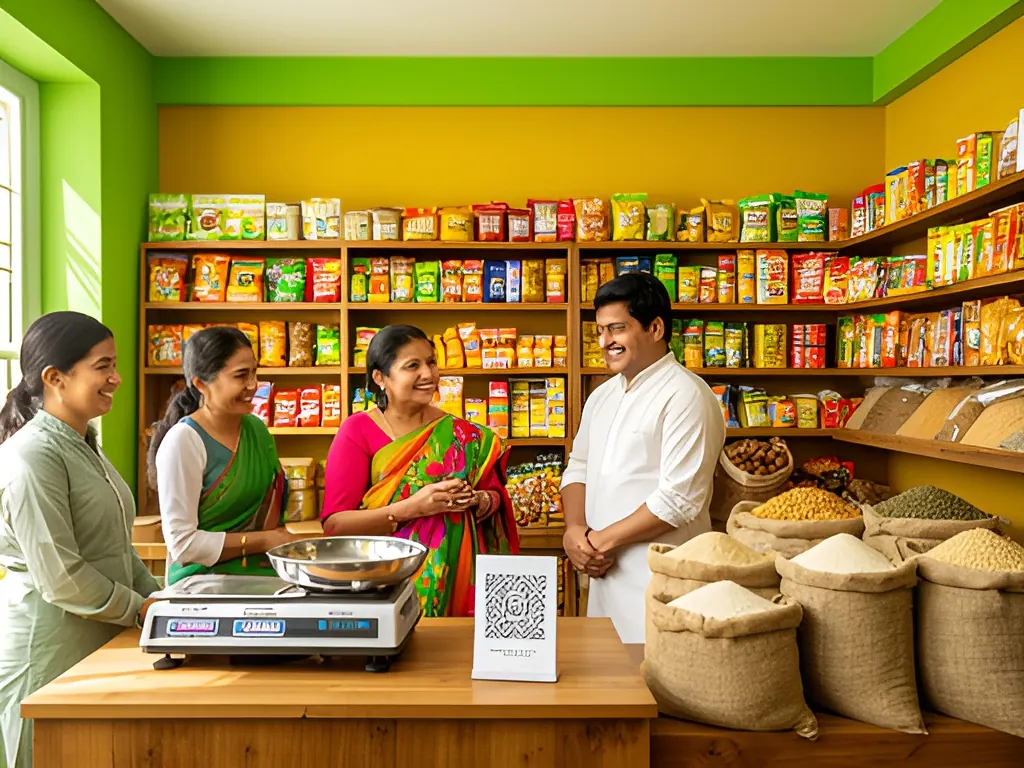
| 🛍️ Kirana store | ₹2 lakh | ₹4.5 lakh | ₹8,500–₹19,500 |
| 💊 Medical store | ₹6 lakh | ₹10 lakh | ₹15,000–₹50,000 |
Where the money can come from
- Mudra (PMMY): Shishu up to ₹50,000, Kishor ₹50,000–5 lakh, Tarun ₹5–10 lakh, and Tarun Plus ₹10–20 lakh for those who have repaid a Tarun loan. Collateral-free; interest is usually around 9–14% (bank-specific estimate). See our Mudra loan guide.
- PM SVANidhi: for street vendors, ₹15,000 → ₹25,000 → ₹50,000, each tranche unlocked by repaying the previous one (News on AIR).
- PMEGP: a 15–35% subsidy on project cost for new units.
- Stand-Up India: ₹10 lakh–1 crore for SC/ST and women entrepreneurs.
Avoid informal "daily collection" loans; our notes estimate their cost at 5–10% a month, which can wipe out a stall's profit.
Step 4: Get your registrations and licences
Requirements vary by state and city, so confirm with your municipal office. This is what most small businesses need.
Udyam registration (free)
Udyam is the government's MSME registration. It is free, online, and needs Aadhaar and PAN. It is not a permit to operate, but banks and schemes ask for it.
Shop & Establishment registration
Required in most states for any fixed shop, under the state Shops and Establishments Act. Fees run from nil to a few thousand rupees depending on state and staff count. In Delhi you must register within 90 days of starting.
Municipal trade licence
Issued by your municipal corporation or council. Fees range from about ₹500 in small towns to ₹15,000–25,000 in metros for some trades. Food businesses may need a health trade licence. Skipping it can bring fines of ₹5,000–25,000 (Petpooja).
FSSAI (for any food business)
From 1 April 2026, FSSAI basic registration covers turnover up to ₹1.5 crore, costs ₹100 a year, and is valid without renewal; a state licence covers ₹1.5–50 crore (FSSAI order). Vendors registered with their municipality are deemed registered. This applies to chai, street food, tiffin, bakery, sweet shops and kiranas selling packaged food. Our FSSAI registration guide covers the process.
GST: only above the threshold
- Goods: registration needed above ₹40 lakh annual turnover.
- Services: above ₹20 lakh. Special-category states use ₹20 lakh and ₹10 lakh.
- Mixed shops (for example a mobile repair shop selling parts) should use ₹20 lakh.
- Composition scheme: traders up to ₹1.5 crore can pay 1% of turnover, but cannot claim input tax credit.
Since 22 September 2025 the GST slabs are 0, 5, 18 and 40%. Salons pay 5% without input credit, cakes and pastries 5%, most medicines 5%, and mobile repair and parts 18%. If you sell food through Swiggy or Zomato, the platform pays the 5% GST on those orders. More detail in our GST guide for small shops.
Business-specific licences
- Medical store: a retail drug licence (Form 20 and 21) and a registered pharmacist.
- Optical shop: registration for selling contact lenses, and an optometrist.
- Weighing scales (vegetables, meat, hardware): Legal Metrology verification.
- Car wash: pollution board consent and, above 10 m³ a day, a groundwater NOC.
- Fire NOC for larger eateries, malls and some buildings; a music licence if a café or gym plays recorded music.
Typical timing (LegalSuvidha): Shop & Establishment 1–3 weeks, trade licence 2–4 weeks, GST 7–15 working days. Plan four to eight weeks in total.
Step 5: Open a bank account and set up UPI
Keep business money separate from household money from day one.
- Open a current account (or at least a separate savings account) in the shop's name, using your Shop & Establishment certificate or Udyam.
- Get a UPI QR and a sound box. UPI was 86.8% of India's retail payment volume in Q1 FY27 (Outlook Business / CareEdge), though for small tickets such as chai many customers still pay cash.
- Digital records help you get loans. Banks look at your UPI history. PM SVANidhi borrowers get digital cashback of up to ₹1,600.
- Know your tax option. Small businesses can use presumptive income tax at 8% of turnover, or 6% for digital receipts.
- If you hire staff: the four labour codes in force from 21 November 2025 require appointment letters and timely wages even in tiny shops. ESI applies at 10 or more employees and PF at 20 or more.
Step 6: Set your prices
Price from cost upwards, then check against the local norm.
- Know your cost per item. Add raw material, packaging, gas and a share of labour. A common bakery rule is cost × 2 for about a 50% gross margin.
- Respect price steps. For low-ticket items customers react to the coin, not the percentage. Our chai research estimates a 15–30% volume drop when a cup crosses a local norm such as ₹10 to ₹12, or ₹15 to ₹20.
- MRP is a ceiling. On packaged goods you can only discount, never charge above MRP. That is why kirana gross margins are about 8–15%.
- Watch food cost. For eateries, ingredients at 28–35% of the menu price is healthy; above 35% is a warning.
- Decide your credit policy before day one. Udhaar builds loyalty but our notes treat dues older than 60 days as bad debt.
Step 7: Your first 90 days
The first three months decide whether a shop survives.
Days 1–30: open small, learn fast
- Start with a short menu or narrow stock. Order perishables daily in small quantities.
- Write down every sale and every expense, even on paper. Use a free billing app if you can.
- Ask the first 50 customers what they would change.
Days 31–60: fix what is leaking
- Find your best-selling items and your waste. A 2-point rise in vegetable wastage can remove about 10% of weekly profit.
- Check whether peak-hour customers are walking away because of queues. That is lost sales and lost reputation.
- Start a WhatsApp list of regulars and get Google Maps reviews.
Days 61–90: decide what to scale
- Compare monthly profit with what you would earn in a job. Be honest.
- Add one item or service that raises the average bill, such as biscuits with chai or a facial menu in a salon.
- Plan for the next season: monsoon, Navratri–Diwali, the wedding months or school reopening, depending on your business.
Reputation builds slowly and falls fast. One food-safety incident or a week of rude service can undo months of work.
Try it free in the simulator: Kirana store
Run a realistic week of this business in 5 minutes before you invest a rupee.
Try it free in the simulator →Common mistakes first-time owners make
- Spending all savings on interiors and having no working capital.
- Choosing a location by rent alone, not by footfall.
- Giving udhaar to everyone in the first month to "build customers".
- Not counting their own and their family's unpaid labour.
- Ignoring licences until an inspector arrives.
- Copying a competitor's prices without knowing their own costs.
Try before you invest
Before you sign a lease, run your idea through a few simulated weeks. BizGame is a free learning game, not a way to earn money: it lets you set prices, order stock, hire staff and face rain, festivals and inspections in about five minutes a week, using costs from our research. It is a cheap way to make your first mistakes.
Try it free in the simulator: Chai business
Run a realistic week of this business in 5 minutes before you invest a rupee.
Try it free in the simulator →