The right business for you is the one that fits your budget, your daily time, a skill you already have, the kind of place you live in, how much loss you can absorb, and how much your family can help. Answer those six questions honestly and most people end up with the same short list of two or three ideas. Then compare them in numbers before spending a rupee.
"Kaun sa business kare" is one of the most common questions Indians type and speak into their phones. The usual answers are lists of 50 ideas with no costs attached. This guide works the other way round: it starts with you, and narrows down from 30 businesses we have researched in detail.
Step 1: How much money can you really put in?
Count only money you can afford to lose. Then split it in two:
- Setup: cart, shop deposit, interiors, equipment, first licences.
- Working capital: two to three months of stock, rent, wages and your own household expenses, because most new shops do not cover costs from week one.
A common mistake is to spend everything on setup and run out of cash in month two. If you have ₹1 lakh in total, look at businesses whose setup is ₹50,000–60,000.
Here is every business in our research that starts at ₹50,000 or less:
| Business | Setup from | Typical shop: setup | Typical shop: profit a month (tier 2 city) |
|---|---|---|---|
| 🥬 Vegetable shop | ₹20,000 | ₹20,000 | ₹17,500–₹39,000 |
| ☕ Chai business | ₹25,000 | ₹60,000 | ₹55,000–₹1.1 lakh |
| 📚 Tuition centre | ₹35,000 | ₹1.3 lakh | ₹17,500–₹60,500 |
| 🧵 Tailoring shop or boutique | ₹40,000 | ₹2.3 lakh | ₹15,000–₹43,500 |
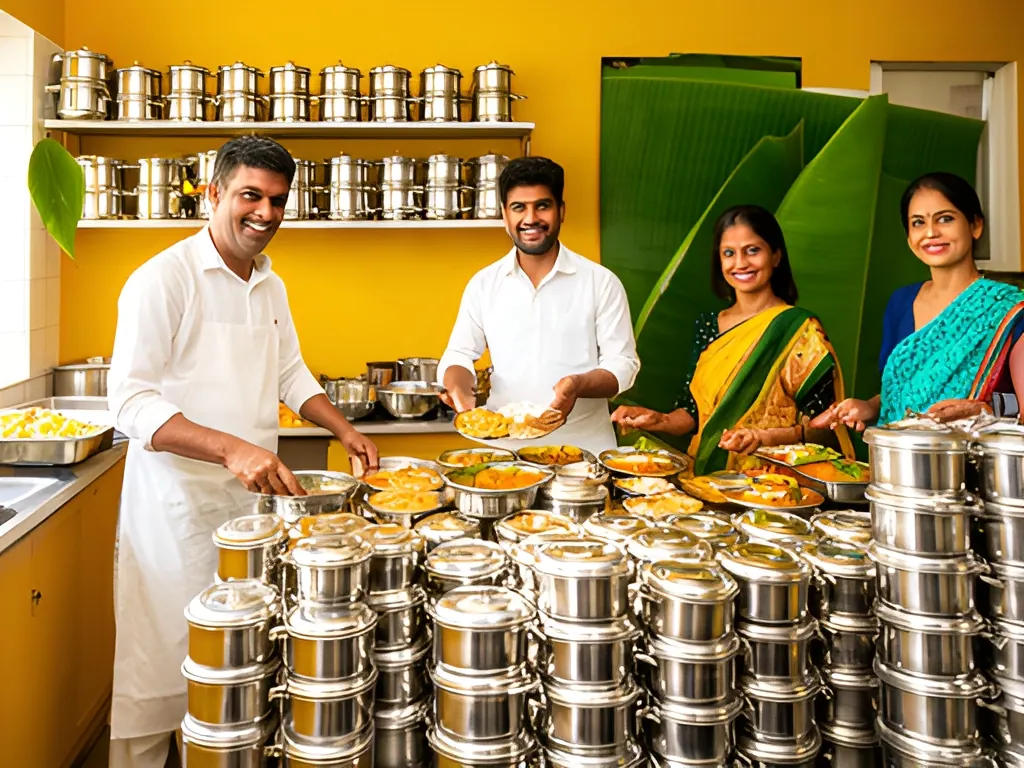
| 🍱 Tiffin service | ₹40,000 | ₹1 lakh | ₹17,500–₹30,500 |
| 📱 Mobile repair shop | ₹45,000 | ₹1.5 lakh | ₹24,000–₹69,500 |
| 🥟 Street food stall | ₹50,000 | ₹50,000 | ₹35,000–₹90,000 |
| 👗 Clothing store | ₹50,000 | ₹7 lakh | ₹21,500–₹1.1 lakh |
If you need a loan, Mudra Shishu covers up to ₹50,000 and Kishor ₹50,000–5 lakh, without collateral. Street vendors with a Certificate of Vending can get PM SVANidhi loans of ₹15,000, then ₹25,000, then ₹50,000. Read our Mudra loan guide before you apply.
Step 2: How many hours a day can you give it?
Be precise. Small businesses run on the owner's presence.
- Full-time, 10–14 hours: food stalls, chai, vegetable shops, dhabas and kiranas need you at the counter from early morning. Chai peaks at 7–10 am and 4–7 pm. A vegetable seller is at the mandi before sunrise.
- Part-time, 3–5 hours: tuition (evenings and weekends), tiffin (a morning cooking shift and a delivery round), tailoring (flexible), mobile repair if you have the skill.
- Almost none: then you need a partner or family member who will run it. Without that, choose not to start yet.
Step 3: What can you already do well?
Skill moves you from the bottom of a profit range to the top. Some businesses also legally need a qualified person.
- Cooking: Tiffin service, Street food stall, Catering business, home bakery (Bakery), sweet shop.
- Stitching: Tailoring shop or boutique. A home tailor starts at about ₹40,000; a boutique needs ₹5 lakh.
- Teaching: Tuition centre. If you teach yourself, gross margin is 90% or more.
- Hair and beauty: Salon or beauty parlour. A men's barber shop starts at about ₹1.8 lakh and a ladies parlour at about ₹2.5 lakh.
- Phone repair: Mobile repair shop. A solo counter costs about ₹45,000.
- Pharmacy degree or optometry: Medical store needs a registered pharmacist; an optical shop needs an optometrist for eye testing.
- No special skill: chai, vegetables, juice, paan, kirana and stationery. These are easier to start and easier for competitors to copy, so location and service decide everything.
Step 4: What kind of place will you open in?
The same idea behaves differently by location type.
- Metro (tier 1): high rent, high footfall, more competition from chains and quick commerce. Kiosks, cafés, salons and food carts near offices or stations can do well. Grocery e-commerce has around 16% share in metros and is growing, so a new kirana is harder.
- Tier-2 city: the sweet spot for many formats. Rent is moderate, and spending is rising. Sweet shops, salons, optical shops, mobile shops and dhabas show strong numbers in our data.
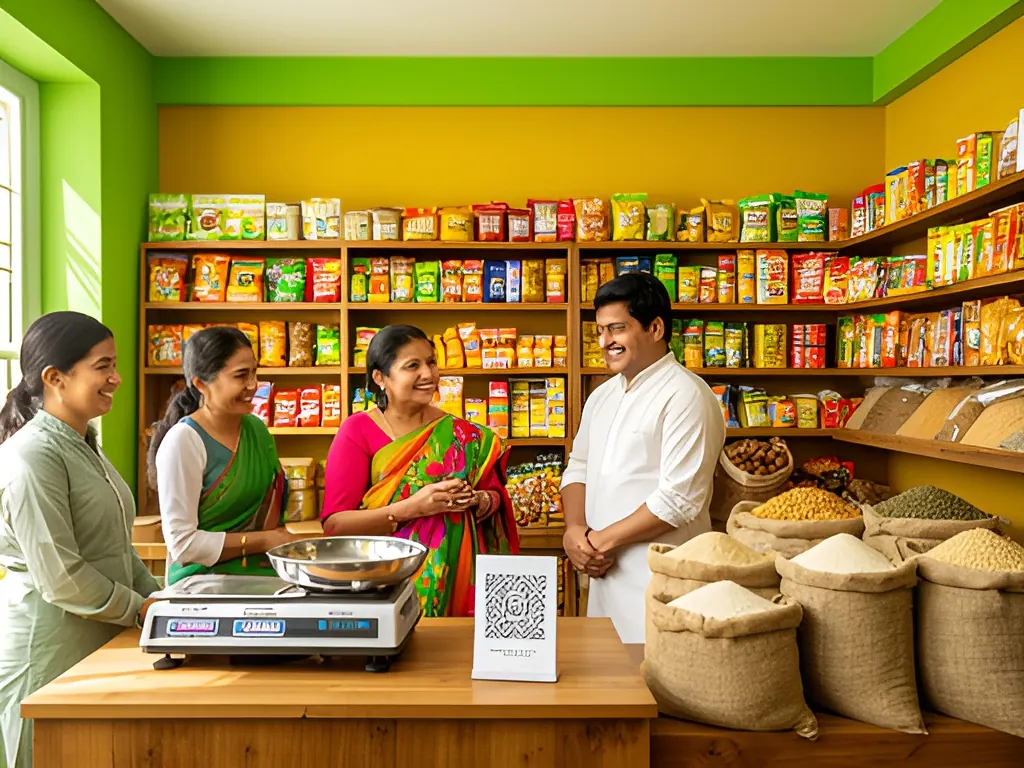
- Small town or village: low rent, loyal customers, lower prices. A home-front kirana, vegetable stall, tailoring, mobile repair, tuition, dairy or a small poultry shed fit better than a café.
- The exact spot: college gate, office area, market chowk, bus stand or residential lane. A chai stall at a bus stand gets crowds and eviction drives; one in a residential lane gets regulars and smaller sales.
Step 5: How much risk can you take?
Ask yourself: if this fails in six months, what happens to my family?
Lower risk means small setup, stock that does not spoil, and low rent: tailoring, tuition, a stationery counter, mobile repair, home tiffin.
Medium risk means perishable stock or rented premises with moderate fit-out: chai, vegetables, street food, salon, kirana.
Higher risk means big fit-out, high rent, heavy stock or a long payback: bakery shop, cloud kitchen, café, gym, clothing showroom, poultry. Cloud kitchens, for example, pay an effective 28–40% of each order to delivery platforms once commission, GST and payment fees are counted, and our notes treat 8–12% net margin as typical for a well-run kitchen.
Step 6: How much can your family help?
Family support is the hidden capital of most Indian small businesses. It covers the counter when you go to the wholesaler, cooks during the wedding rush, and keeps the shop open on the day you are ill. It also hides costs: if your spouse works 8 hours a day unpaid, the business is earning less than the books show.
Ask directly before you start: who will sit at the shop, who handles deliveries, and who looks after children or elders if you work 12 hours? A tiffin service or kirana with two family members working is a very different business from one person doing everything.
Your profile: what to shortlist
Match yourself to the closest profile and shortlist two or three.
Student or young person, under ₹50,000, part-time
Home tuition, mobile repair (after training), reselling clothes from home, or helping at an existing family shop to learn. Keep costs near zero until you have steady customers.
| Business | Setup from | Typical shop: setup | Typical shop: profit a month (tier 2 city) |
|---|---|---|---|
| 📚 Tuition centre | ₹35,000 | ₹1.3 lakh | ₹17,500–₹60,500 |
| 📱 Mobile repair shop | ₹45,000 | ₹1.5 lakh | ₹24,000–₹69,500 |
| 👗 Clothing store | ₹50,000 | ₹7 lakh | ₹21,500–₹1.1 lakh |
Homemaker, ₹40,000–2.5 lakh, flexible hours
Tiffin service, tailoring, home tuition, home bakery or a ladies parlour. Start from home to avoid rent; move to a shop only when demand is proven. Tiffin earns about 40–50% gross margin, with net margin of 25–35% once you have 30 or more subscribers.
| Business | Setup from | Typical shop: setup | Typical shop: profit a month (tier 2 city) |
|---|---|---|---|
| 🍱 Tiffin service | ₹40,000 | ₹1 lakh | ₹17,500–₹30,500 |
| 🧵 Tailoring shop or boutique | ₹40,000 | ₹2.3 lakh | ₹15,000–₹43,500 |
| 🥐 Bakery | ₹1 lakh | ₹12 lakh | ₹45,000–₹68,000 |
| 💇 Salon or beauty parlour | ₹1.8 lakh | ₹2.5 lakh | ₹40,000–₹78,000 |
Full-time, ready for hard physical work, ₹25,000–1 lakh
Chai cart or tapri, vegetable thela, street-food thela, juice cart (a summer business) or a weekly-market chicken stall. These have the fastest payback in our data, often one to two months when run well, but they mean long days outdoors and some risk of eviction if you do not have vending permission.
| Business | Setup from | Typical shop: setup | Typical shop: profit a month (tier 2 city) |
|---|---|---|---|
| ☕ Chai business | ₹25,000 | ₹60,000 | ₹55,000–₹1.1 lakh |
| 🥬 Vegetable shop | ₹20,000 | ₹20,000 | ₹17,500–₹39,000 |
| 🥟 Street food stall | ₹50,000 | ₹50,000 | ₹35,000–₹90,000 |
| 🥤 Sugarcane juice business | ₹75,000 | ₹75,000 | ₹17,500–₹47,500 |
| 🍗 Chicken shop | ₹55,000 | ₹3.3 lakh | ₹13,000–₹43,500 |
Try it free in the simulator: Chai business
Run a realistic week of this business in 5 minutes before you invest a rupee.
Try it free in the simulator →Salaried, wants a side business, ₹2–5 lakh
Avoid anything that needs you at the counter. Look at a home-front Kirana store run by a family member, a stationery counter with a photocopier near a school (Stationery shop), or weekend tuition. Check your employment contract for any rule on outside business.
Full-time with ₹5–15 lakh and a trade skill
Salon (stylist), optical shop (optometrist), sweet shop (halwai), dhaba (cook), medical store (pharmacist), or a small kirana in a residential area. These earn the most in rupees, but the skill must come from you or a family member. Hiring it in means salaries and the risk the person leaves. Our most profitable businesses guide compares them.
Village or small town
Home-front kirana, vegetable stall, tailoring, mobile repair, tuition, or dairy if your family already keeps animals. Dairy farmers can use a Kisan Credit Card (up to ₹3 lakh, effective 4% with prompt repayment). Poultry takes years to repay a shed in our data, so start small or under a contract-farming company.
The last step: simulate your top 2–3
Once you have a shortlist, test them side by side:
- Write down the setup cost and monthly costs for each (rent, wages, electricity).
- Visit competitors and estimate customers per day and average bill.
- Work out the month you would break even.
- Run each in a simulator through a monsoon week and a festival week.
- Choose the one that still makes sense in a bad week, not just a good one.
Then read how to start a business in India for the registrations, bank account and first-90-days plan.
Try before you invest
BizGame is a free learning game, not a way to earn money. It lets you run a realistic week of any of these 30 businesses in about five minutes, with real costs, seasons and surprises like rain, price rises and staff quitting. Try your top two or three ideas and see which one you can actually manage.
Try it free in the simulator: Tiffin service
Run a realistic week of this business in 5 minutes before you invest a rupee.
Try it free in the simulator →