A small shop or service business in India needs GST registration only when its annual turnover crosses ₹40 lakh for goods or ₹20 lakh for services (₹20 lakh and ₹10 lakh in special-category states). Small traders up to ₹1.5 crore can choose the composition scheme and pay just 1% of turnover. After GST 2.0 (from 22 September 2025), the slabs are 0%, 5%, 18% and 40%. Salons and gyms now pay 5%, cakes and most medicines dropped to 5%, clothes and shoes up to ₹2,500 are at 5%, and repairs and car washing stay at 18%.
Not tax advice. This is a plain-language summary of the rules as our research found them in October 2026. GST rules change often, and your situation (mixed goods and services, inter-state sales, online selling) can change the answer. Check with a chartered accountant before you register or set prices.
When does a small business need GST registration?
| Your business | Registration needed above | Special-category states |
|---|---|---|
| Selling goods only (kirana, clothes, shoes, hardware) | ₹40 lakh a year | ₹20 lakh |
| Services (salon, gym, repair, car wash, tuition) | ₹20 lakh a year | ₹10 lakh |
| Mixed goods and services (a repair shop that also sells accessories) | Use ₹20 lakh to be safe | ₹10 lakh |
Two points people miss:
- Turnover means everything you sell, in cash, UPI or card, including exempt items. It is not profit.
- A mixed shop should plan on ₹20 lakh. One lender's blog says repair shops can wait until ₹40 lakh, but that limit applies only to pure goods sellers (ClearTax). A Mobile repair shop repair shop earns mostly from services.
Below the limit you can stay unregistered. You then cannot charge GST on your bills, and you cannot claim back GST you paid on purchases.
What is the composition scheme, and is it worth it?
The composition scheme is a simpler option for small businesses.
- Traders (kirana, clothes, shoes, stationery, hardware) with turnover up to ₹1.5 crore (₹75 lakh in special-category states) pay 1% of turnover.
- Restaurants have their own composition rate of 5% (DineOpen). Since a normal standalone restaurant also pays 5%, the main gain is simpler paperwork.
- Small service providers have a separate composition option with its own rate and limit. Ask your CA whether it suits you.
The trade-offs:
- You cannot collect GST from customers. You issue a "bill of supply", not a tax invoice, so the 1% comes out of your own margin.
- You cannot claim input tax credit on stock or equipment.
- You file a quarterly CMP-08 statement and one annual return, instead of monthly returns. Accountants charge ₹1,000–3,000 a month for regular GST filing (Accountune), so composition saves real money.
- Composition is for local sales. If you sell to customers in other states, you generally cannot use it.
For a Kirana store or Clothing store shop that has crossed ₹40 lakh but sells mainly to walk-in customers, composition is usually the sensible choice. If you sell to other businesses that want a GST invoice, regular registration may suit you better.
GST rates after 22 September 2025 for common small businesses
GST 2.0 cut many everyday rates. Here is what it means for the businesses in our guides.
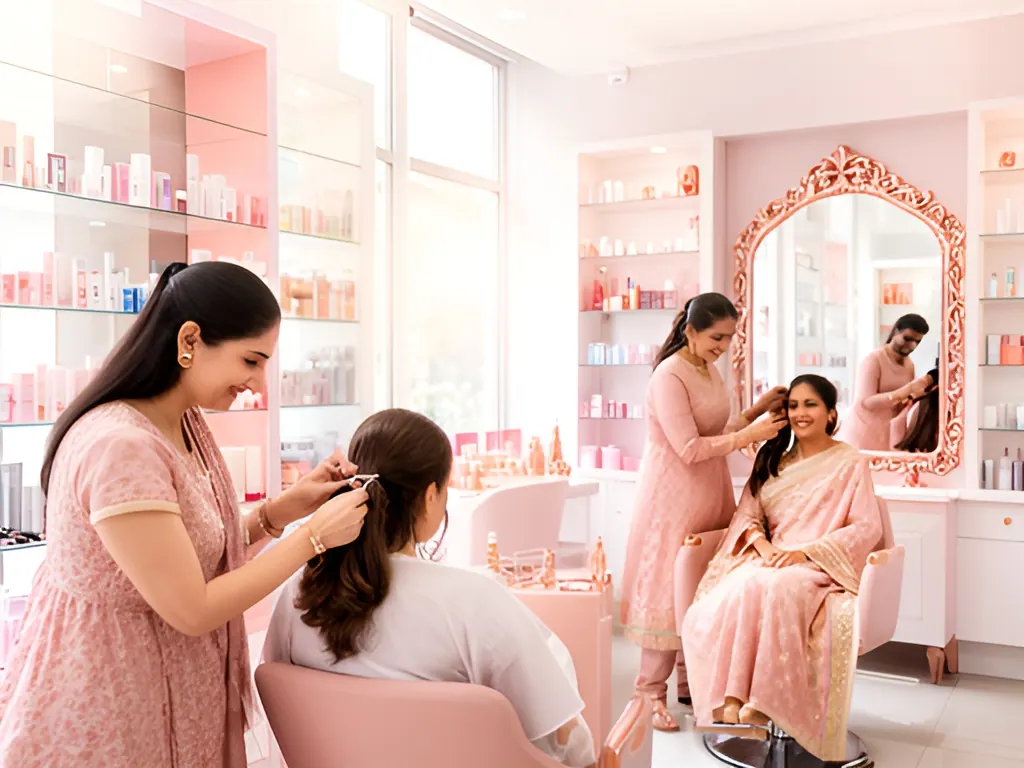
Salons and gyms: 5% without input tax credit
Salon services, gyms, fitness centres and yoga centres moved from 18% with credit to 5% without input tax credit. CBIC has said the rate is mandatory, so you cannot choose 18% with credit instead (Business Today).
The catch for a Gym: machines carry 18% GST, and you can no longer claim it back. That pushes up your real setup cost by about 18%. For a Salon or beauty parlour, GST paid on products and equipment becomes a cost too. Most neighbourhood salons and small gyms stay below the ₹20 lakh services limit anyway.
Bakeries and sweet shops: 5%
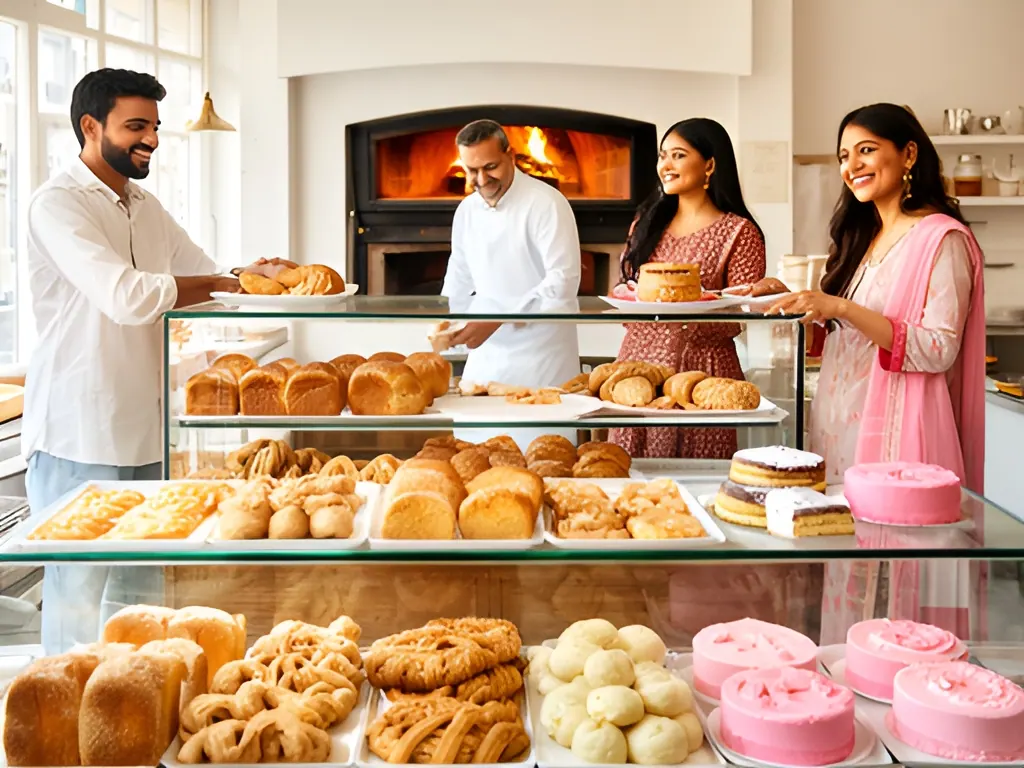
Cakes, pastries and biscuits fell from 18% to 5% (ClearTax). Rusk and toasted bread are at 5%. One claim that plain bread is now 0% could not be verified. Mithai and namkeen, loose or packed, are at 5%; packed namkeen was 12% before. Sweets eaten in-store count as restaurant service at 5% without credit. Good news for a Bakery or Sweet shop: customers see lower prices on cakes and gift boxes.
Medical stores: most medicines at 5%
Most medicines dropped from 12% to 5%. Thirty-six drugs are at nil, and medical devices went from 18% to 5% (EY). For a Medical store store, the important part is that MRPs had to be revised. Selling old stock at the old MRP after the cut is a compliance risk.
Clothes and footwear: 5% up to ₹2,500, 18% above
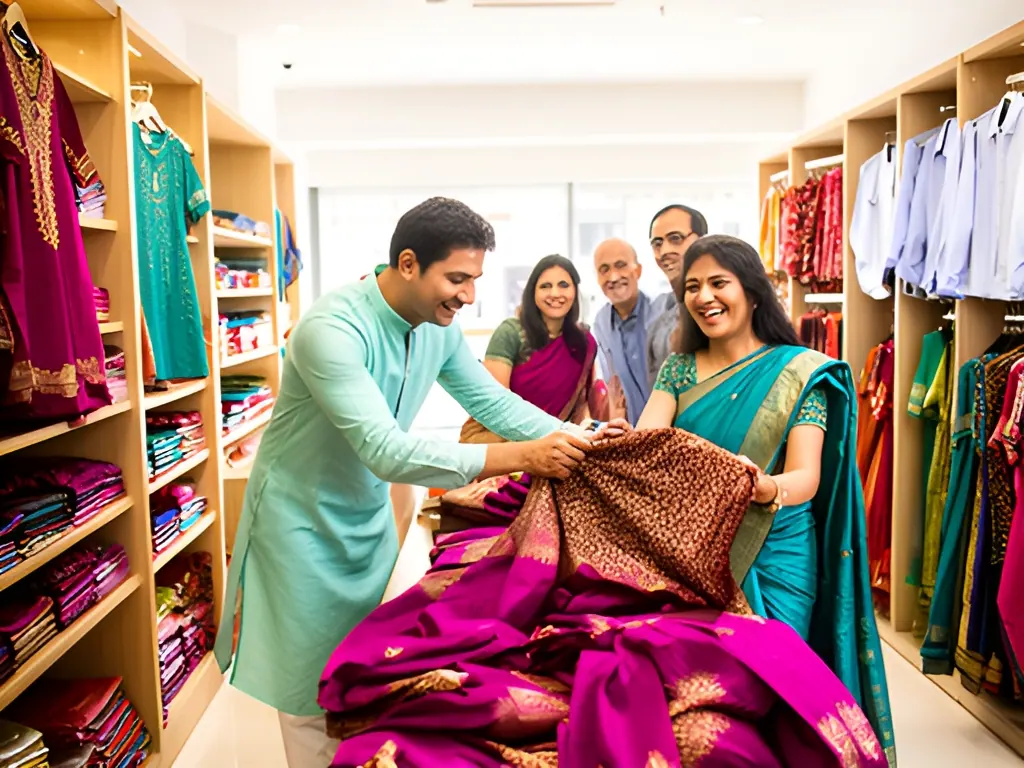
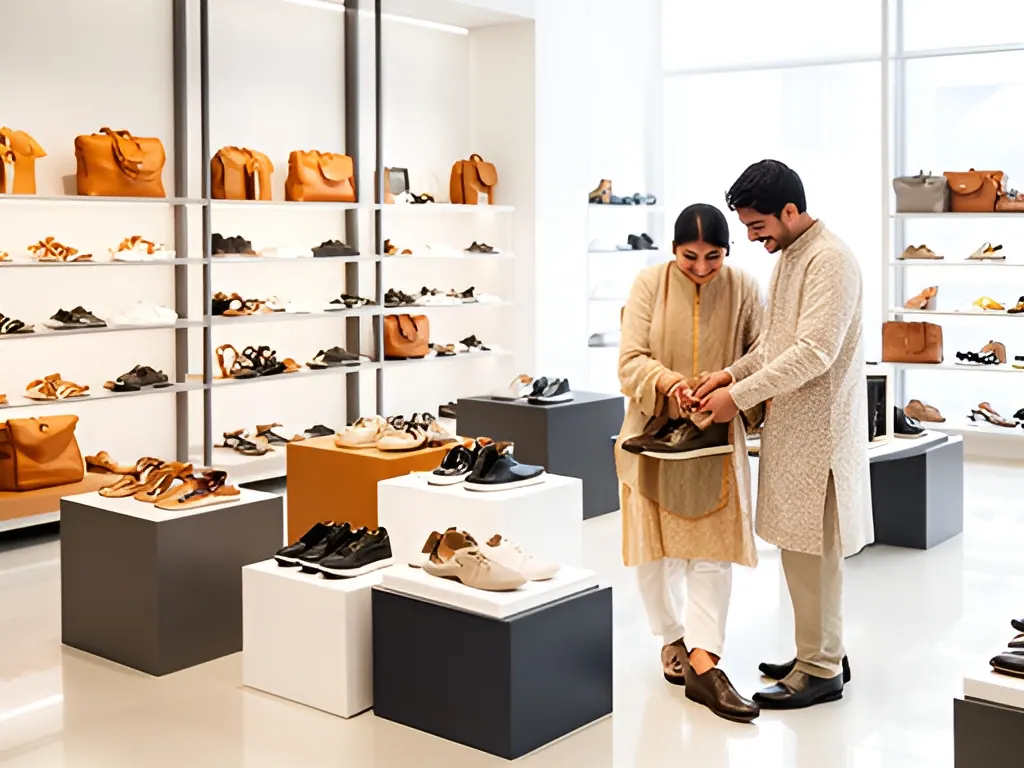
Garments and footwear priced up to ₹2,500 per piece or pair are at 5%. Above ₹2,500 they jump to 18%. Earlier the split was at ₹1,000 with 12% above (PIB).
This creates a price cliff. A pair of shoes at ₹2,500 leaves you ₹2,380.95 after GST, while a pair at ₹2,600 leaves only ₹2,203.39 (Accountune). You earn less by charging more. That is why Footwear shop and Clothing store shops cluster prices at ₹2,299–2,499. Note that the ₹2,500 test is commonly read as the taxable value per piece; confirm the details with your CA for sets and combos.
Mobile repair and car wash: still 18%
Phone repair, spare parts and accessories stay at 18% (Motilal Oswal). Some older articles still say 28% on chargers, which is out of date. Car washing is also 18%. A Car wash or Mobile repair shop shop below ₹20 lakh can stay unregistered and price lower than registered competitors.
Restaurants, dhabas and cloud kitchens: 5%
Standalone restaurants pay 5% without input tax credit. For food ordered through Swiggy or Zomato, the platform collects and pays the 5% under Section 9(5), so the restaurant does not charge GST on app orders. The restaurant does pay 18% GST on the platform's commission (ClearTax). This matters for a Cloud kitchen or Dhaba or fast-food restaurant doing most of its business on apps.
Kirana: mostly 0% and 5%
Loose staples (rice, dal, atta sold loose) are at 0%. Branded and packed staples are at 5%. Tobacco is at 40%. A Kirana store under ₹40 lakh does not need to register, but once it does, composition at 1% is usually simpler than tracking dozens of rates.
| Business | Setup from | Typical shop: setup | Typical shop: profit a month (tier 2 city) |
|---|---|---|---|
| 💇 Salon or beauty parlour | ₹1.8 lakh | ₹2.5 lakh | ₹40,000–₹78,000 |
| 🏋️ Gym | ₹8 lakh | ₹20 lakh | ₹52,000–₹1.1 lakh |
| 🥐 Bakery | ₹1 lakh | ₹12 lakh | ₹45,000–₹68,000 |
| 💊 Medical store | ₹6 lakh | ₹10 lakh | ₹15,000–₹50,000 |
| 👗 Clothing store | ₹50,000 | ₹7 lakh | ₹21,500–₹1.1 lakh |
| 👟 Footwear shop | ₹1 lakh | ₹6 lakh | ₹86,500–₹3.5 lakh |
| 📱 Mobile repair shop | ₹45,000 | ₹1.5 lakh | ₹24,000–₹69,500 |
| 🚿 Car wash | ₹1 lakh | ₹6 lakh | ₹20,000–₹25,000 |
How to keep bills and UPI records
Whether or not you are registered, clean records protect you.
- Use billing software or an app. Even a basic one shows daily sales and stock. If you are registered, your tax invoice needs your GSTIN, the HSN or SAC code and the GST amount. Composition dealers issue a bill of supply.
- Keep a separate bank account and UPI QR for the business. UPI is now 86.8% of retail payment volume in India (Outlook Business/CareEdge). Every UPI payment leaves a bank record. If your account shows ₹50 lakh of receipts and you have never registered, expect questions.
- Watch your rolling turnover. Add up sales every month. When you reach about 80% of the limit, talk to a CA so you register on time rather than after a notice.
- Keep purchase bills. Even if you cannot claim credit, bills help with income tax, loans and food-safety checks.
- Remember income tax is separate. Small businesses can use presumptive taxation: profit is declared as 8% of turnover, or 6% for digital receipts (CalcGuru). That is one more reason to accept UPI.
Mistakes small owners make with GST
- Registering too early "to look professional". If your customers are households, registration below the limit can raise prices or cut your margin for no benefit.
- Registering too late. If you cross the limit and keep selling, you may owe tax, interest and penalties on past sales.
- Charging GST without registration. Printing "incl. GST" when you are not registered is not allowed.
- Pricing just above ₹2,500. For clothes and shoes, ₹2,600 earns you less than ₹2,500.
- Assuming the salon or gym rate is optional. It is 5% without credit, full stop.
Try before you invest
Tax is one line in a business's weekly accounts. Pricing, stock and seasons usually decide more. BizGame's free simulator lets you run a Salon or beauty parlour, Clothing store shop or Mobile repair shop repair counter and see how a price change moves your customers and profit, week by week. It is a learning game, not a way to earn money, and it does not replace advice from a CA.
Try it free in the simulator: Salon or beauty parlour
Run a realistic week of this business in 5 minutes before you invest a rupee.
Try it free in the simulator →