There is no single "most profitable business in India". If you rank by rupees earned per month, an optical shop, a footwear shop, a sweet shop, a catering business or a dhaba comes out on top in a tier-2 city, but each needs several lakh rupees to start. If you rank by how fast your money comes back, a chai stall, a street-food cart, a vegetable thela, a juice cart or a mobile repair counter wins, because they cost under ₹1 lakh and can pay for themselves in a few months.
Which one is right for you depends on three things: how much you can invest, what you are good at, and the exact street you will open on. This guide shows real numbers for 30 businesses, explains how to read them, and tells you where most first-time owners go wrong.
All 30 businesses ranked by monthly profit
The table below is sorted by the top of the monthly profit range in a tier-2 city (think Indore, Nagpur, Coimbatore, Lucknow). "Setup from" is the cheapest format, such as a cart instead of a shop. Profit is for a well-run business and is before paying yourself a salary.
| Business | Setup from | Typical shop: setup | Typical shop: profit a month (tier 2 city) |
|---|---|---|---|
| 👟 Footwear shop | ₹1 lakh | ₹6 lakh | ₹86,500–₹3.5 lakh |
| 👓 Optical shop | ₹2.5 lakh | ₹7.5 lakh | ₹86,500–₹2.8 lakh |
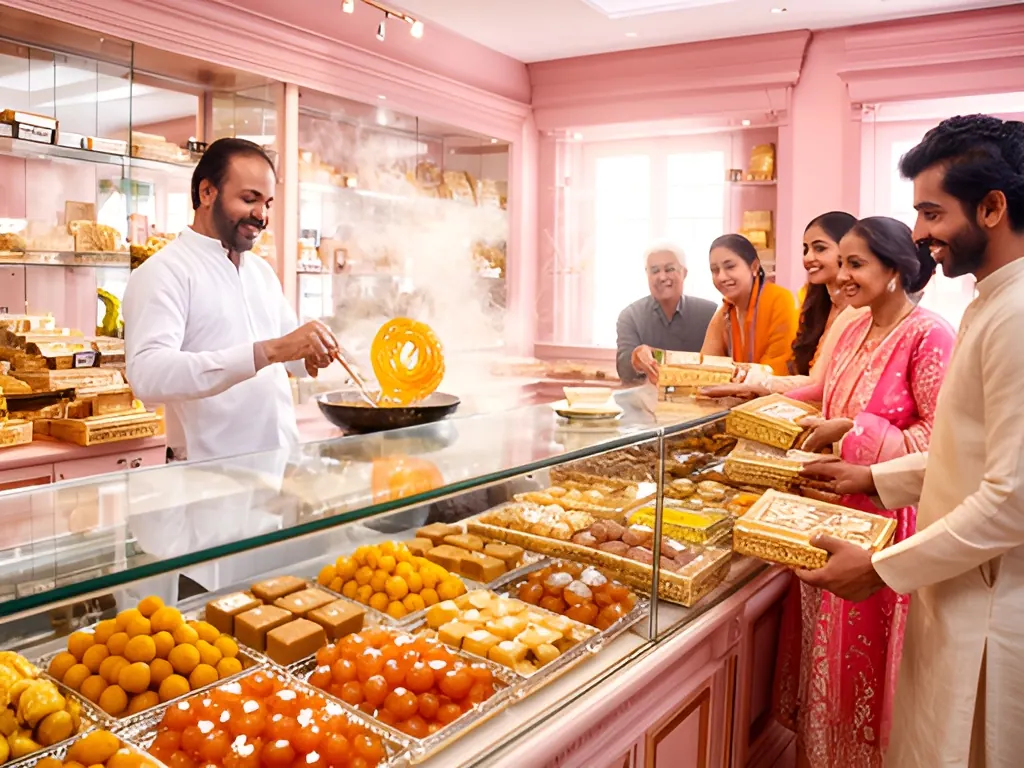
| 🍬 Sweet shop | ₹6.5 lakh | ₹6.5 lakh | ₹1.1 lakh–₹2.6 lakh |
| 🔧 Hardware and paint shop | ₹4 lakh | ₹10 lakh | ₹21,500–₹1.5 lakh |
| 🧋 Café | ₹5 lakh | ₹12 lakh | ₹65,000–₹1.3 lakh |
| 🍛 Dhaba or fast-food restaurant | ₹2.8 lakh | ₹8 lakh | ₹86,500–₹1.3 lakh |
| 🍛 Catering business | ₹2 lakh | ₹7.5 lakh | ₹86,500–₹1.1 lakh |
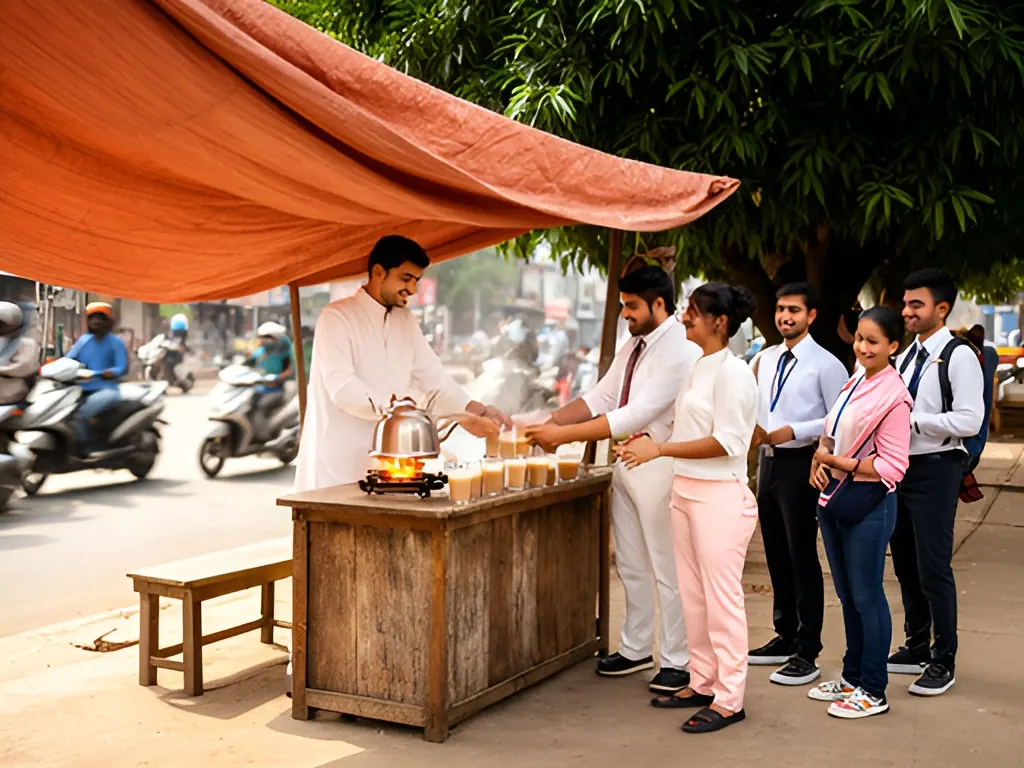
| ☕ Chai business | ₹25,000 | ₹60,000 | ₹55,000–₹1.1 lakh |
| 👗 Clothing store | ₹50,000 | ₹7 lakh | ₹21,500–₹1.1 lakh |
| 🏋️ Gym | ₹8 lakh | ₹20 lakh | ₹52,000–₹1.1 lakh |
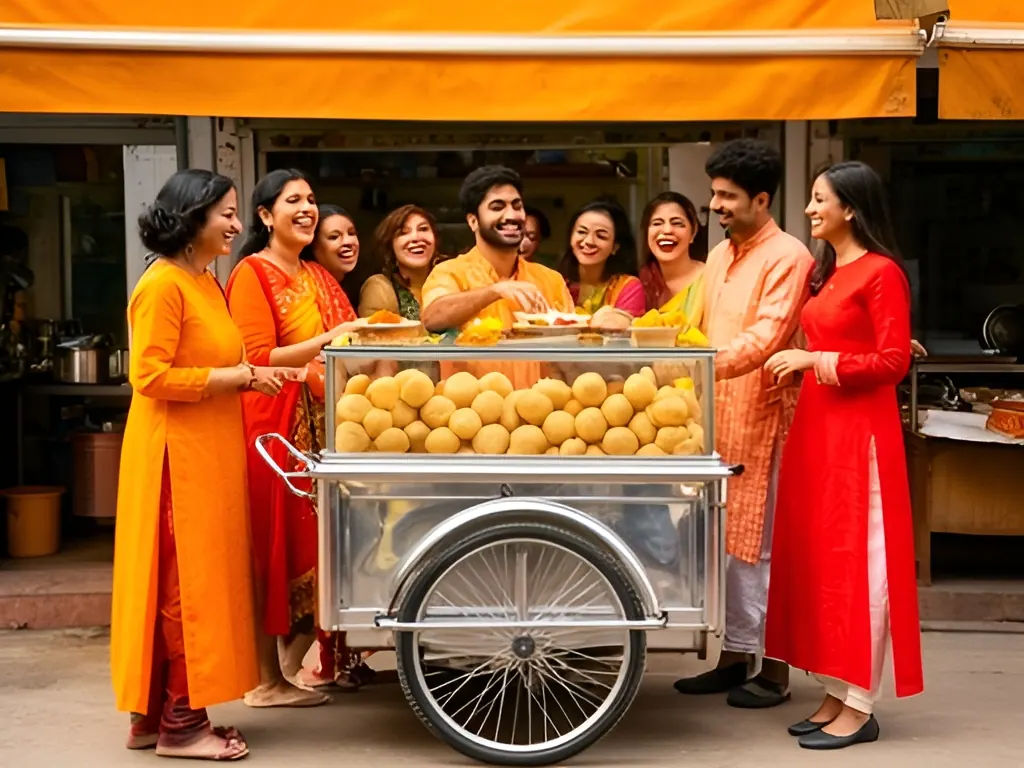
| 🥟 Street food stall | ₹50,000 | ₹50,000 | ₹35,000–₹90,000 |
| 💇 Salon or beauty parlour | ₹1.8 lakh | ₹2.5 lakh | ₹40,000–₹78,000 |
| 🚚 Food truck business | ₹5 lakh | ₹12 lakh | ₹52,000–₹78,000 |
| 🍃 Paan shop | ₹70,000 | ₹2.5 lakh | ₹21,500–₹78,000 |
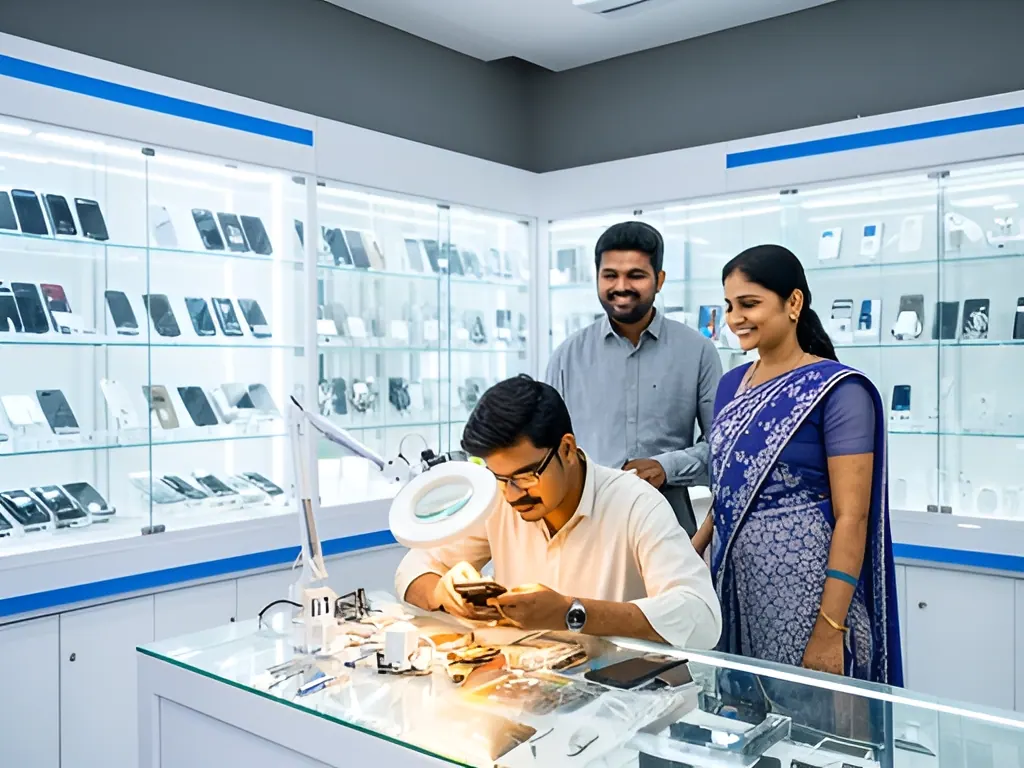
| 📱 Mobile repair shop | ₹45,000 | ₹1.5 lakh | ₹24,000–₹69,500 |
| 🥐 Bakery | ₹1 lakh | ₹12 lakh | ₹45,000–₹68,000 |
| ✏️ Stationery shop | ₹1.8 lakh | ₹4 lakh | ₹13,000–₹60,500 |
| 📚 Tuition centre | ₹35,000 | ₹1.3 lakh | ₹17,500–₹60,500 |
| 💊 Medical store | ₹6 lakh | ₹10 lakh | ₹15,000–₹50,000 |
| 🥤 Sugarcane juice business | ₹75,000 | ₹75,000 | ₹17,500–₹47,500 |
| 🍗 Chicken shop | ₹55,000 | ₹3.3 lakh | ₹13,000–₹43,500 |
| 🧵 Tailoring shop or boutique | ₹40,000 | ₹2.3 lakh | ₹15,000–₹43,500 |
| 🥡 Cloud kitchen | ₹5.5 lakh | ₹7 lakh | ₹15,000–₹41,000 |
| 🐔 Poultry farm | ₹5 lakh | ₹22 lakh | ₹8,500–₹39,000 |
| 🥬 Vegetable shop | ₹20,000 | ₹20,000 | ₹17,500–₹39,000 |
| 🐄 Dairy farm | ₹11.5 lakh | ₹13 lakh | ₹21,500–₹32,500 |
| 🍨 Ice cream parlour | ₹1.5 lakh | ₹8 lakh | ₹8,500–₹30,500 |
| 🍱 Tiffin service | ₹40,000 | ₹1 lakh | ₹17,500–₹30,500 |
| 🚿 Car wash | ₹1 lakh | ₹6 lakh | ₹20,000–₹25,000 |
| 🛍️ Kirana store | ₹2 lakh | ₹4.5 lakh | ₹8,500–₹19,500 |
These ranges come from our research notes on each business (100+ sourced factors each) and the benchmarks our simulator is calibrated to. Most behavioural inputs, such as how many customers walk away from a queue, are estimates. Treat the table as a map, not a promise.
Profit, return on investment and payback: which one matters?
People asking "which business has the highest profit" usually mean one of three different things.
Monthly profit
This is what is left from sales after stock, rent, wages, electricity, gas, licences and loan interest. It is the number you live on. A small halwai shop (Sweet shop) can make ₹1 lakh or more in a good tier-2 month, but it also has a ₹6.5 lakh setup, staff to manage, and milk and khoya bills every morning.
Return on investment (ROI)
ROI is monthly profit divided by what you put in. A ₹60,000 chai tapri making ₹30,000 a month returns 50% of its cost every month. A ₹12 lakh neighbourhood bakery making ₹50,000 a month returns about 4%. Both can be good businesses, but if your total savings are ₹1 lakh, ROI tells you where your money works hardest.
Payback period
Payback is how many months of profit it takes to earn back your setup cost. Our guides calculate it for a well-run typical shop in a tier-2 city. A few examples from the same data:
- Chai tapri, street-food stall, vegetable thela: about 1 month
- Juice cart: about 2 months
- Mobile repair, tuition, footwear: about 3 months
- Salon, tiffin service, optical shop, sweet shop: about 4 months
- Kirana and medical store: around 2.5 years
- Dairy parlour and poultry farm: 4 years or more
Short payback is attractive, but cheap businesses have a catch. The profit comes almost entirely from your own hands: you are the cook, cashier and cleaner, 12 hours a day. The day you fall sick, income drops to zero.
Which businesses earn the most rupees a month?
These are the high earners in our tier-2 benchmarks. They all need serious capital and a specific skill.
Optical shop
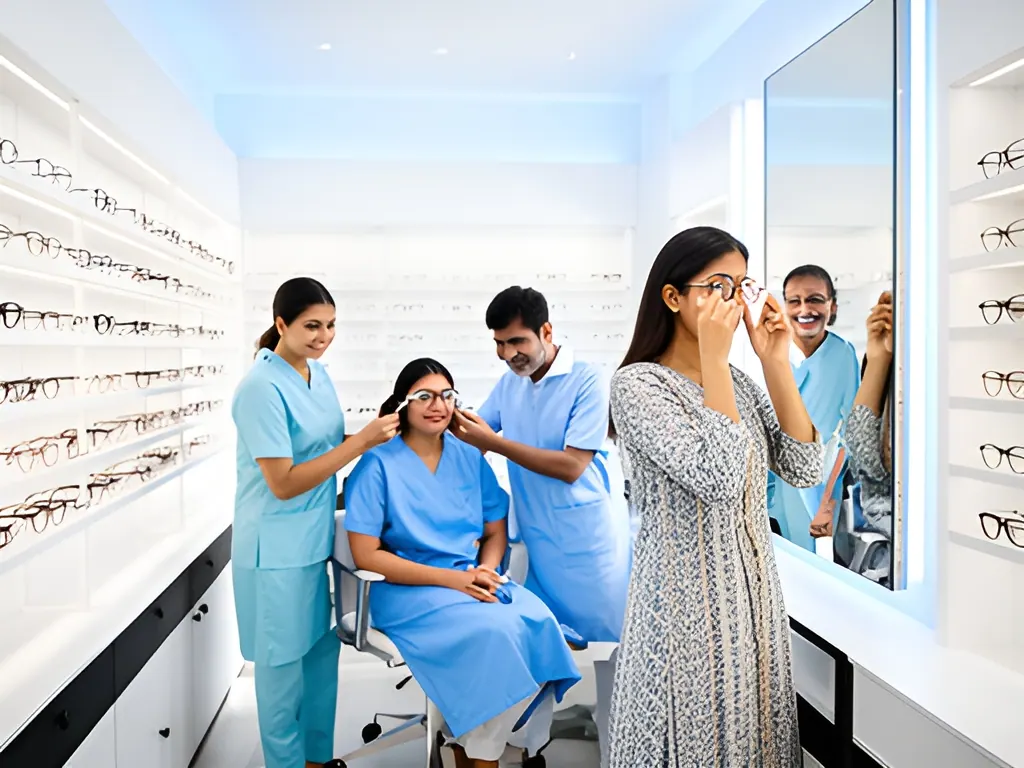
Spectacles carry one of the highest gross margins in retail. Lenskart reported an India product margin of 63.7% for 9M FY26 (Inc42), and our notes estimate 50–60% blended for a well-run independent shop. Setup runs from about ₹2.5 lakh for a counter to ₹5–15 lakh for a proper shop with a test room (IIFL). The catch: you need a qualified optometrist, and you compete with chains on price. See the Optical shop guide.
Sweet shop
Milk sweets earn about 50–60% gross margin, kaju katli only 30–40%, and namkeen 55–70% (DineOpen). A big share of the year's profit lands in the Navratri–Diwali window and the wedding season. A halwai who knows the trade can do very well. An owner who hires one and does not watch khoya quality and wastage can lose money quickly.
Dhaba and fast food
Small dhabas often claim 20–40% net margins because the owner cooks and rent is low. Our notes treat 15–30% as realistic. A tin-shed highway dhaba starts at around ₹2.8 lakh. Read the Dhaba or fast-food restaurant guide before choosing a highway site, because truck traffic, not town population, decides your sales.
Catering and footwear
Catering earns big money in wedding months and very little in Kharmas and Chaturmas, when there are few Hindu weddings in the North. Average caterer net margin is about 8–12% once idle weeks and bad debt are counted. Footwear shops (Footwear shop) earn 28–40% gross margin, peak at school reopening and festivals, but lock lakhs of rupees in sizes that do not sell.
Try it free in the simulator: Sweet shop
Run a realistic week of this business in 5 minutes before you invest a rupee.
Try it free in the simulator →Which businesses give the best return on small money?
If you have under ₹1 lakh, these are the businesses where money comes back fastest:
- Chai business: a cart costs about ₹25,000 and a tapri about ₹60,000. Gross margin is about 35–55% at ₹10 a cup and 57–70% at ₹15. Our notes put a typical single-person tapri at ₹15,000–40,000 a month net, with good kiosks earning more.
- Street food stall: ingredients run 25–45% of price, so gross margin is 55–75%, but rupees per plate are small. Volume and a legal spot decide everything.
- Vegetable shop: a thela starts at about ₹20,000. Markup over the mandi is 30–50%, but wastage of 5–12% eats a large part of it.
- Mobile repair shop: a solo repair counter costs about ₹45,000. Repairs with budget parts carry 45–65% gross margin, and tempered glass far more. You need repair skill, or months of training.
- Tuition centre: home tuition costs almost nothing to start. If you teach yourself, gross margin is 90% or more. Capacity is limited by your hours.
The honest trade-off: these businesses pay well per rupee invested, but each is capped by one person's time. Growing beyond that means hiring, and margins shrink.
Why do some popular businesses earn less than you expect?
Several businesses people assume are "safe" have thin margins:
- Kirana store: blended gross margin is about 8–15% because every packaged item is capped at MRP. A small shop typically leaves the owner ₹8,000–18,000 a month before paying family labour (Accountune). A Jharkhand village kirana reported ₹10,000 a month at first and ₹20,000–25,000 after adding cosmetics (Rang De). Quick commerce is also taking share in the top metros.
- Medical store: blended gross margin is about 18–22%. You need a registered pharmacist and ₹6 lakh or more for stock and fit-out, and expiry losses are real.
- Hardware and paint shop: cement and steel earn 2–5%; the profit is in small fittings. Credit to contractors can sink a shop.
- Dairy and poultry: long payback, feed price spikes and disease risk. Poultry in our data takes years to recover the shed cost.
None of these are bad businesses. They reward volume, patience and tight control of stock and credit, not quick profit.
Why "most profitable" depends on your city and your skill
Location changes the answer
The same business can earn very different amounts by tier. In our benchmarks, a kirana in a metro earns roughly four times a tier-2 one, because sales per shop are far higher. An ice-cream parlour that does well in a metro mall can struggle in a small town. A car wash in Bengaluru faced a ban on potable water for vehicle washing in 2024, and some businesses lost 50–80% of volume. Rent also matters more than people think: our notes flag rent above 25% of sales as a danger zone for a bakery.
Inside a town, the spot matters even more. A chai stall at a bus stand and one in a residential lane are different businesses: one sees crowds and eviction drives, the other sees loyal regulars and smaller sales.
Skill changes the answer
The highest-earning businesses in the table all depend on a skill you cannot hire cheaply: an optometrist, a pharmacist, a halwai, a stylist, a mechanic who can fix phones, a teacher whose students pass. If you have that skill, your business can earn the top of the range. If you have to hire it, you pay a salary, risk the person leaving (stylist poaching is common in salons), and your profit falls towards the bottom of the range.
How to choose your most profitable option
- Fix your budget, including 2–3 months of working capital, not just setup.
- List skills you or your family already have. A business that uses them earns more.
- Shortlist 3 businesses from the table that fit your budget.
- Visit three competitors at the times you would be open. Count customers per hour.
- Subtract your own salary. If the business earns less than a job would, it is a hobby with risk.
- Check licences and loans. Most small businesses need FSSAI (for food), Shop & Establishment registration and a trade licence. Mudra Shishu loans go up to ₹50,000 and Kishor up to ₹5 lakh, collateral-free.
For a step-by-step version of this, read our guide on which business to start.
Try before you invest
Numbers in a table cannot show you what a bad monsoon week or a price war feels like. BizGame is a free learning game that lets you run a realistic week of any of these 30 businesses in about five minutes, with real costs and seasons. It does not earn you money, but it can stop you making an expensive mistake. Try two or three businesses from your shortlist and compare.
Try it free in the simulator: Chai business
Run a realistic week of this business in 5 minutes before you invest a rupee.
Try it free in the simulator →