Every business that makes, stores, sells or serves food in India needs FSSAI registration or a licence. From 1 April 2026, basic registration (₹100 fee) covers turnover up to ₹1.5 crore a year. Between ₹1.5 crore and ₹50 crore you need a state licence, and above ₹50 crore a central licence. Registrations and licences now have perpetual validity, so there are no renewals. These limits come from the FSSAI order of 27 March 2026 (FSSAI order; Mondaq). Still, confirm them on the official FoSCoS portal before you apply, because some blogs and older guides still quote the old ₹12 lakh limit.
In practice this means almost every small food business, from a chai cart to a busy sweet shop, now needs only basic registration. Below: which type you need, what it costs, how to apply, and the hygiene rules inspectors actually check.
Basic registration, state licence or central licence: which do you need?
| Category | Annual turnover (from 1 Apr 2026) | Fee (government) | Who it fits |
|---|---|---|---|
| Basic registration | Up to ₹1.5 crore | ₹100 a year | Carts, stalls, home kitchens, tiffin, most shops, bakeries, sweet shops, dhabas |
| State licence | ₹1.5 crore – ₹50 crore | About ₹2,000–5,000 a year | Large restaurants, big sweet chains, mid-size manufacturers |
| Central licence | Above ₹50 crore | About ₹7,500 | Large manufacturers, importers, multi-state operators |
The fees are the long-standing schedule reported in our research notes (state licence ₹2,000–5,000, central ₹7,500, per Petpooja). With perpetual validity now in place, how fees are charged may change, so treat the FoSCoS screen as final.
Two things that are still unclear
- Milk handlers. Under the old rules, dairies handling more than 500 litres of milk a day needed a state licence whatever their turnover. Our research could not confirm whether that capacity rule survived the 2026 change. If you run a Dairy farm collection or parlour business near that volume, check on FoSCoS or with your district food safety officer.
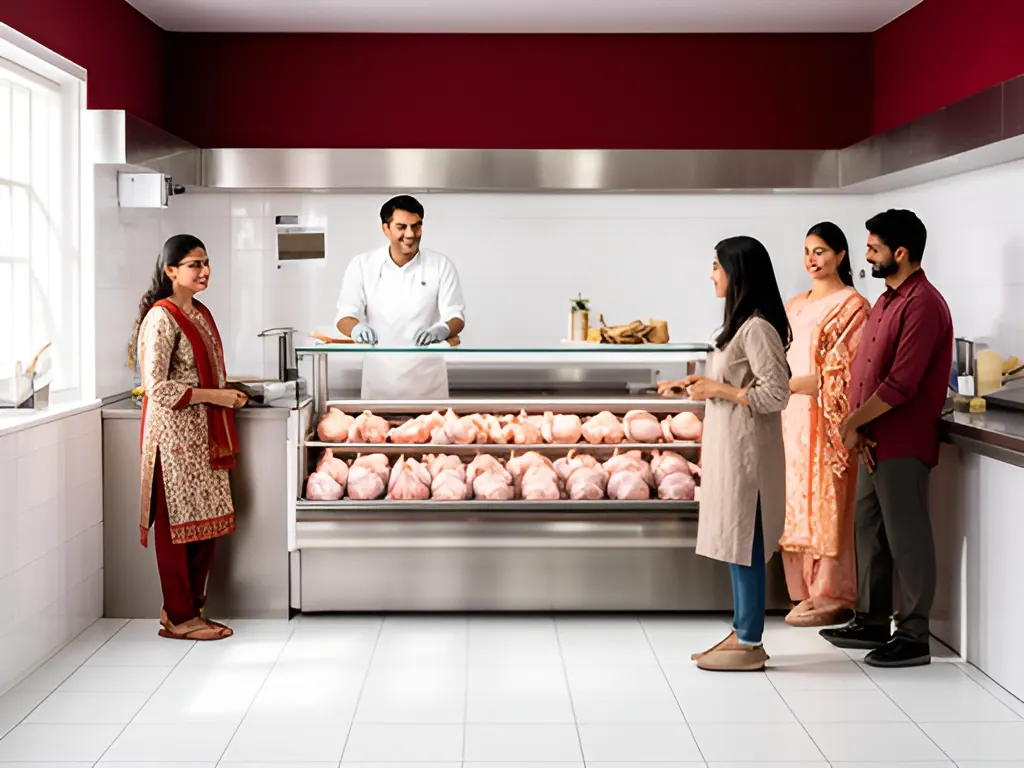
- Meat shops. Sources disagree on whether a small butcher needs basic registration or a state licence. Slaughterhouses definitely need a state or central licence plus meat-inspection approval (Velco Legal).
What changed on 1 April 2026?
Before April 2026, basic registration only covered turnover up to ₹12 lakh. A sweet shop or bakery doing ₹15–20 lakh a year needed a state licence, with more paperwork and an inspection. Three changes matter for small owners:
- The basic limit rose to ₹1.5 crore. Most neighbourhood food businesses now stay in the cheapest category.
- Perpetual validity. You no longer renew every one to five years.
- Street vendors registered with their municipality are deemed registered. A vendor with a Certificate of Vending does not need a separate FSSAI filing.
The amendment was notified on 10 March 2026 and applies from 1 April 2026 for new applicants. Existing businesses get time to migrate.
How to apply for FSSAI registration, step by step
- Go to FoSCoS (the FSSAI's online licensing system) and sign up with your mobile number.
- Pick the category. Choose basic registration (Form A) unless your turnover is above ₹1.5 crore; licences use Form B.
- Fill in the business details: name, address, type of food business (retailer, manufacturer, caterer, mobile vendor and so on) and the food items you handle.
- Upload documents. For basic registration: a photo, identity proof (Aadhaar or similar) and proof of address of the premises. A state licence also needs things like a layout plan, a list of equipment, a water test report and a food safety management plan.
- Pay the fee online.
- Wait for approval. Processing usually takes 7–30 days for basic registration (DineOpen) and 30–60 days for a state licence.
- Display the certificate at your counter, and print the 14-digit FSSAI number on packaged products and menus.
You can file it yourself in under an hour. Agents charge ₹1,000–2,000 or more for the same form. Petpooja quotes "₹2,000 including service" for a cloud kitchen's basic registration. That is fine if you are short of time, but you are not paying for a better licence.
What does FSSAI expect inside your kitchen?
Registration is the easy part. Inspections, complaints and festival raids check hygiene, and that is where small businesses get caught. The core rules (the "Schedule 4" hygiene requirements) are common sense, but you have to follow them every day:
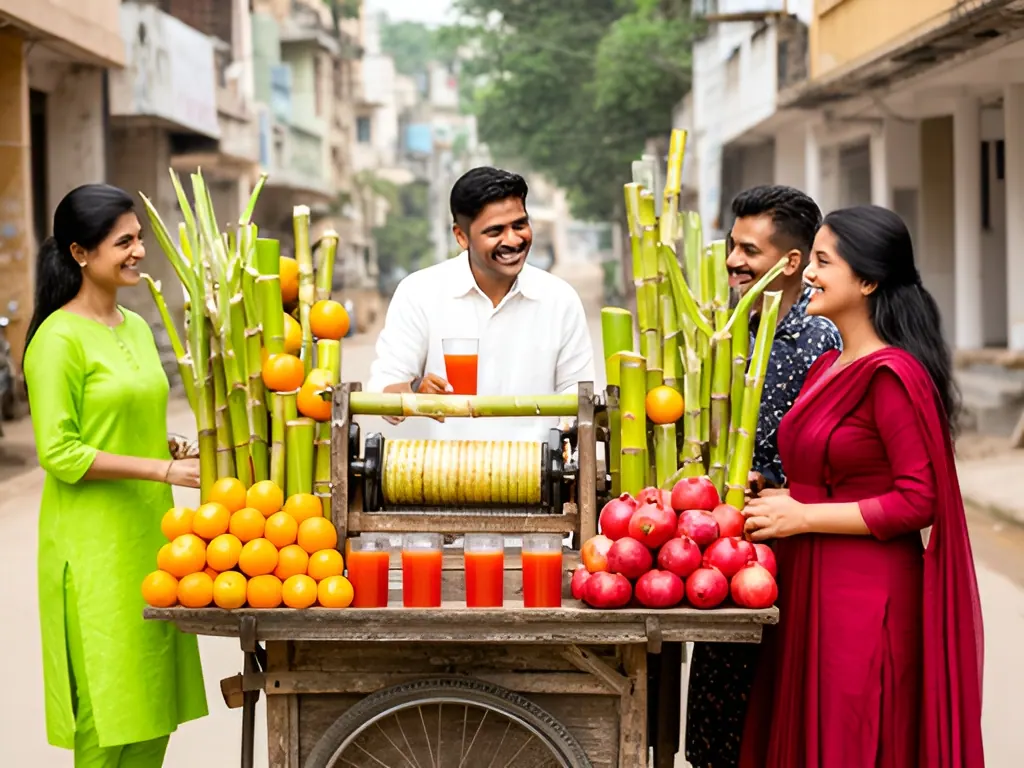
- Clean water. Use potable water for cooking, washing and ice. Juice stalls are specifically checked for ice made from unsafe water. In Kerala, unsafe ice was stopped at cane-juice stalls (The Better India).
- Healthy staff. Food handlers need a medical fitness certificate. No one with a skin or contagious disease, or an open cut, should handle food.
- Clean surfaces and covered food. Covered bins (a pedal bin is ideal), no flies, pest control, food kept off the floor.
- No reused oil and water. Monsoon advisories warn that vendors often reuse water and oil (ETV Bharat, 2026). Change frying oil regularly.
- Supplier bills. Keep receipts for milk, khoya, ghee, paneer and meat. If a sample fails, bills show where it came from.
Extra rules for meat shops
Schedule 4 is strict for Chicken shop shops: no live birds or slaughter inside the shop, hot water at 82°C or more for cleaning, annual medical tests for handlers, and a minimum distance of 50 m from a place of worship (100 m if opposite the gate). Some cities set their own limit, such as 100 m in Delhi (TaxClue). Most traditional shops ignore some of these, which is a real risk once a complaint is filed.
Festival raids
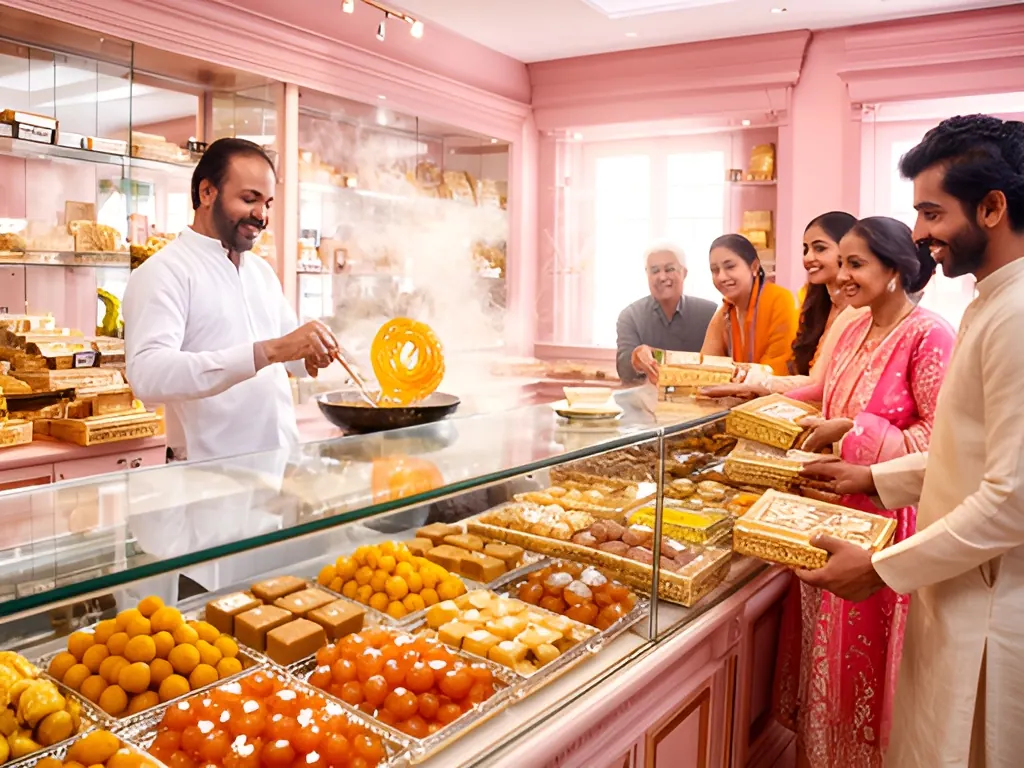
State food-safety teams run heavy drives before Diwali and Holi, targeting khoya, ghee and paneer. In October 2025, UP seized about 3,000 quintals of spurious food before Diwali (The Week/PTI). Delhi seized over 8,800 litres of substandard ghee in a month (Tribune). A Sweet shop that buys cheap khoya without bills is exposed to seizure, closure and bad press.
Which of our food businesses need what?
All of the businesses below fit inside basic registration at the turnover levels in our guides. What differs is the other paperwork.
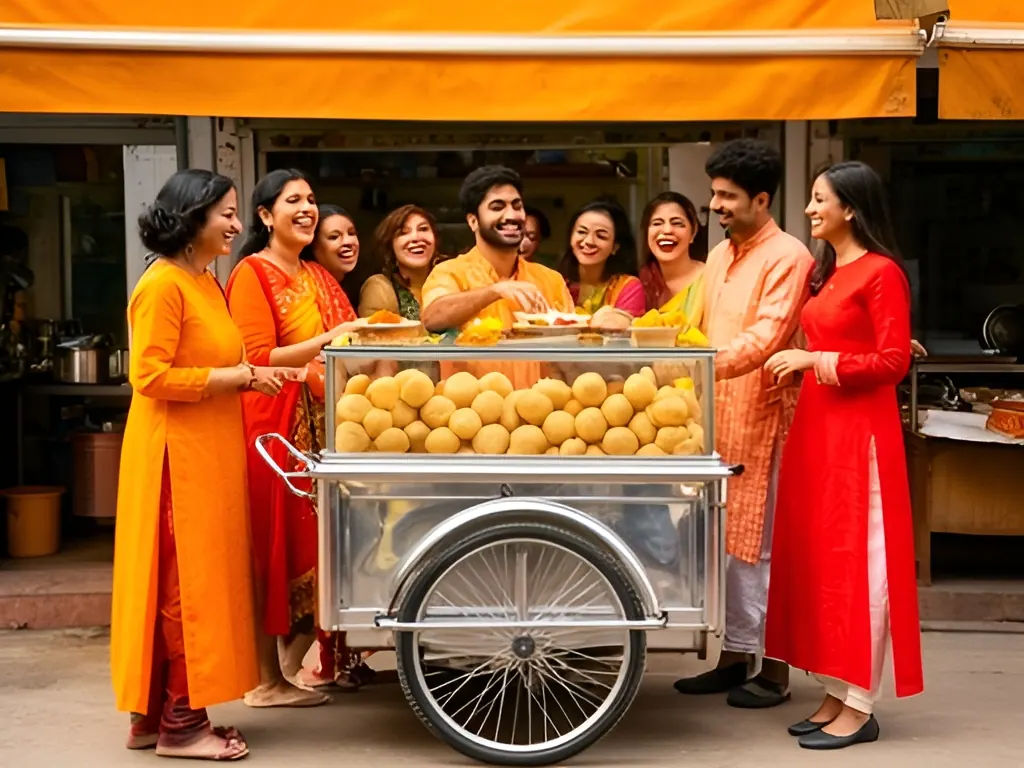
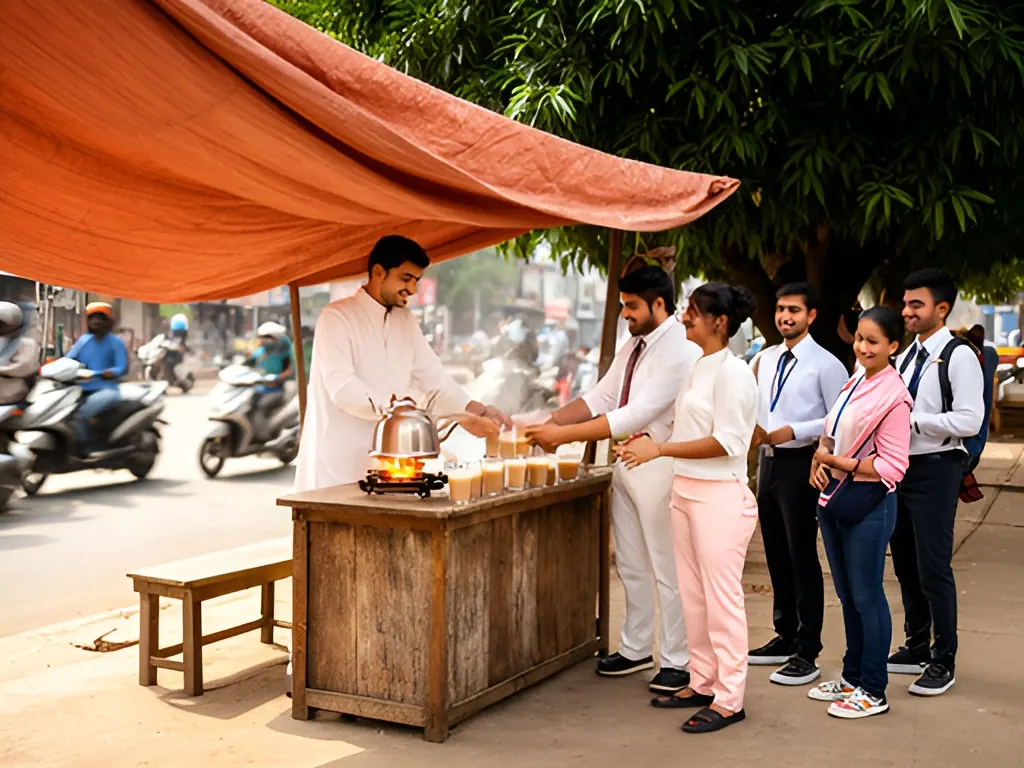
- Chai business cart or tapri: basic FSSAI registration (or deemed registration if you hold a Certificate of Vending), plus the municipal vending certificate under the Street Vendors Act.
- Street food stall stall and Sugarcane juice business cart: the same. Registration also lets you join FSSAI's Clean Street Food Hub programme. By August 2025, 405 hubs were certified and 13 lakh+ vendors trained (News on AIR).
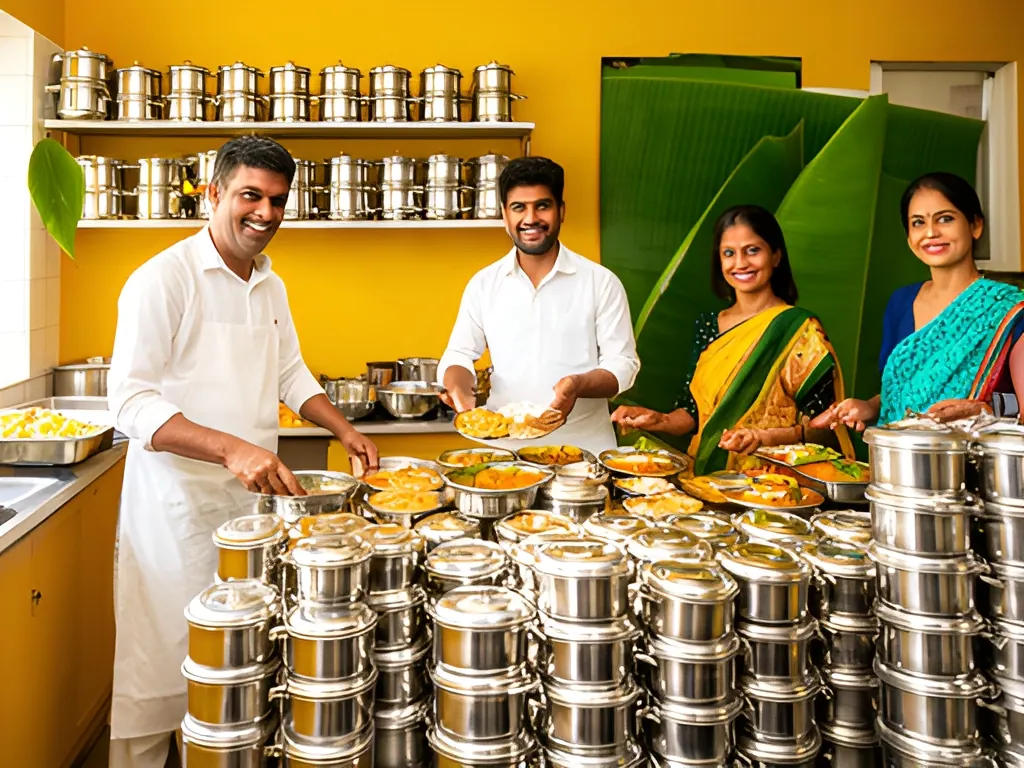
- Tiffin service service from home: basic registration is mandatory even for a home kitchen, plus any local trade or home-occupation permit (₹500–2,000).
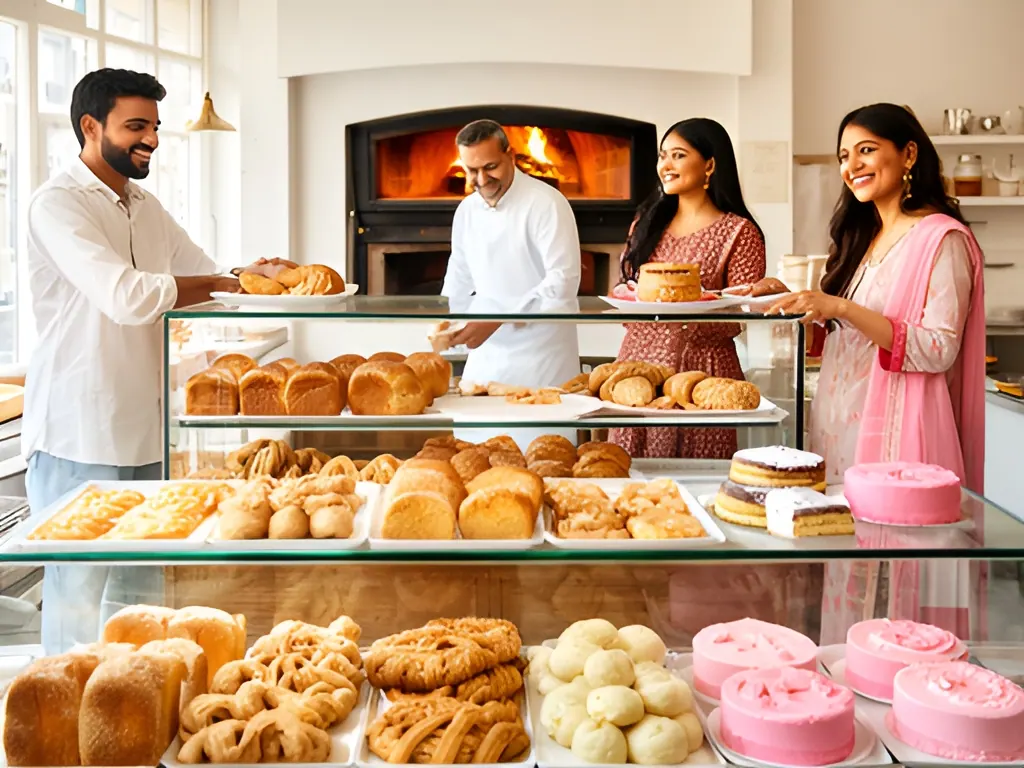
- Bakery: basic registration, trade licence, Shop & Establishment, and a fire NOC for a shop with an oven. Home bakers need only FSSAI and local permission in most places.
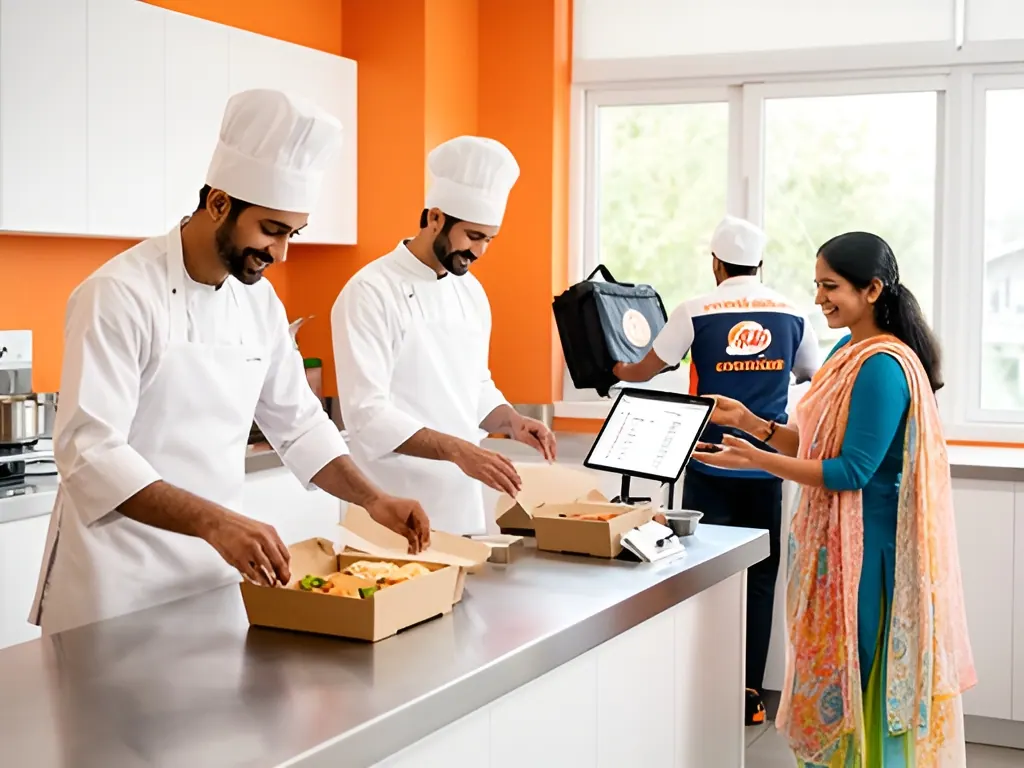
- Cloud kitchen: basic registration, which you need anyway to list on food apps, plus a trade licence, fire NOC and GST.
- Sweet shop and Dhaba or fast-food restaurant: basic registration, trade licence, Shop & Establishment, and an eating-house licence if you seat customers. Fire NOC rules depend on seats and city.
- Catering business and Food truck business: basic registration (food trucks register as a mobile vending unit), plus RTO approval for the truck body and municipal vendor permission.
- Kirana store and Paan shop shops: basic registration if you sell packaged food, snacks or drinks.
| Business | Setup from | Typical shop: setup | Typical shop: profit a month (tier 2 city) |
|---|---|---|---|
| ☕ Chai business | ₹25,000 | ₹60,000 | ₹55,000–₹1.1 lakh |
| 🥟 Street food stall | ₹50,000 | ₹50,000 | ₹35,000–₹90,000 |
| 🍱 Tiffin service | ₹40,000 | ₹1 lakh | ₹17,500–₹30,500 |
| 🥐 Bakery | ₹1 lakh | ₹12 lakh | ₹45,000–₹68,000 |
| 🥡 Cloud kitchen | ₹5.5 lakh | ₹7 lakh | ₹15,000–₹41,000 |
| 🍬 Sweet shop | ₹6.5 lakh | ₹6.5 lakh | ₹1.1 lakh–₹2.6 lakh |
Try it free in the simulator: Tiffin service
Run a realistic week of this business in 5 minutes before you invest a rupee.
Try it free in the simulator →Common FSSAI mistakes small owners make
- Thinking "small" means exempt. There is no turnover below which food sellers are exempt. A ₹2,000-a-day cart still needs registration (or deemed registration).
- Registering under the wrong category. If you cook and sell, you are not just a "retailer". Choose the food business type that matches what you actually do.
- Not updating details. If you move shop or add new food categories, modify the registration on FoSCoS.
- Treating the certificate as the job done. Inspections are about hygiene, not paperwork. A clean kitchen with supplier bills is your best defence.
- Paying agents for "fast-track licences". There is no official fast track for basic registration.
Try before you invest
Licences are a small part of a food business. The bigger tests are wastage, pricing, staff and seasons. BizGame's free simulator lets you run a Tiffin service service, Bakery or Street food stall stall week by week and see what a hygiene slip or a festival raid does to your reputation and cash. It is a learning game, not a way to earn money, but it shows you the hard parts before you spend real savings.
Try it free in the simulator: Street food stall
Run a realistic week of this business in 5 minutes before you invest a rupee.
Try it free in the simulator →