With ₹5 lakh in India you can open a small rented shop or a service business in most tier-2 and tier-3 towns: a men's barber shop (about ₹1.8 lakh setup), a ladies beauty parlour (about ₹2.5 lakh), a home-front kirana (about ₹2 lakh), a home catering business (about ₹2 lakh), an optical counter (about ₹2.5 lakh), a tin-shed dhaba (about ₹2.8 lakh), a stationery and photocopy counter (about ₹1.75 lakh) or a mobile repair-and-accessories shop (about ₹1.5 lakh). The key is not to spend the whole ₹5 lakh on setup. A rented shop needs a deposit, opening stock and two to three months of running money. Below are the real numbers, how to choose, how to borrow and what goes wrong.
All figures come from the research behind our free business simulator, priced for a tier-2 city. Metros cost more, small towns less.
Businesses that start between ₹1 lakh and ₹5 lakh
| Business | Setup from | Typical shop: setup | Typical shop: profit a month (tier 2 city) |
|---|---|---|---|
| 🥐 Bakery | ₹1 lakh | ₹12 lakh | ₹45,000–₹68,000 |
| 🚿 Car wash | ₹1 lakh | ₹6 lakh | ₹20,000–₹25,000 |
| 👟 Footwear shop | ₹1 lakh | ₹6 lakh | ₹86,500–₹3.5 lakh |
| 🍨 Ice cream parlour | ₹1.5 lakh | ₹8 lakh | ₹8,500–₹30,500 |
| ✏️ Stationery shop | ₹1.8 lakh | ₹4 lakh | ₹13,000–₹60,500 |
| 💇 Salon or beauty parlour | ₹1.8 lakh | ₹2.5 lakh | ₹40,000–₹78,000 |
| 🍛 Catering business | ₹2 lakh | ₹7.5 lakh | ₹86,500–₹1.1 lakh |
| 🛍️ Kirana store | ₹2 lakh | ₹4.5 lakh | ₹8,500–₹19,500 |
| 👓 Optical shop | ₹2.5 lakh | ₹7.5 lakh | ₹86,500–₹2.8 lakh |
| 🍛 Dhaba or fast-food restaurant | ₹2.8 lakh | ₹8 lakh | ₹86,500–₹1.3 lakh |
| 🔧 Hardware and paint shop | ₹4 lakh | ₹10 lakh | ₹21,500–₹1.5 lakh |
| 🧋 Café | ₹5 lakh | ₹12 lakh | ₹65,000–₹1.3 lakh |
| 🚚 Food truck business | ₹5 lakh | ₹12 lakh | ₹52,000–₹78,000 |
| 🐔 Poultry farm | ₹5 lakh | ₹22 lakh | ₹8,500–₹39,000 |
"Setup from" is the cheapest format of each business. The profit column is for the format most common in a tier-2 city, which for a few of these (café, food truck, hardware, footwear) is a much bigger setup than ₹5 lakh. The sections below give numbers for the formats that actually fit this budget.
Several cheaper businesses also have bigger formats that land in this band: a fixed street-food stall with seating (₹1.8–3.5 lakh), a rented tuition room (about ₹1.25 lakh) or multi-room centre (about ₹3 lakh), a ladies tailor shop (about ₹2.25 lakh), a small paan shop (about ₹2.5 lakh) and a small chicken shop (about ₹3.25 lakh). For options that start much lower, see our lists of business ideas under ₹1 lakh and under ₹50,000.
What does ₹5 lakh really need to cover?
At this budget, the shop itself starts eating money before you sell anything. Plan for five buckets:
- Rent deposit: commonly 3–10 months' rent, plus the first month's rent and sometimes pagdi in old markets.
- Fit-out and equipment: racks, counter, lighting, chairs, machines, signboard.
- Opening stock: for a kirana this alone is 40–55% of setup (Accountune); for footwear it is 60–75%.
- Licences and registration: Shop & Establishment, trade licence, FSSAI for food, a drug or MD-42 registration where relevant.
- Working capital: two to three months of rent, wages, electricity and stock top-ups, because a new shop takes time to build regulars.
Our simulator models setup and working capital separately. Your budget first pays the setup of the format you choose, and only what is left becomes your operating cash. Choose a format that leaves you nothing, and the game will not start. In real life, the most common way to fail with ₹5 lakh is to spend ₹4.8 lakh on a beautiful shop and have ₹20,000 left when the first slow month arrives.
Salon and beauty parlour
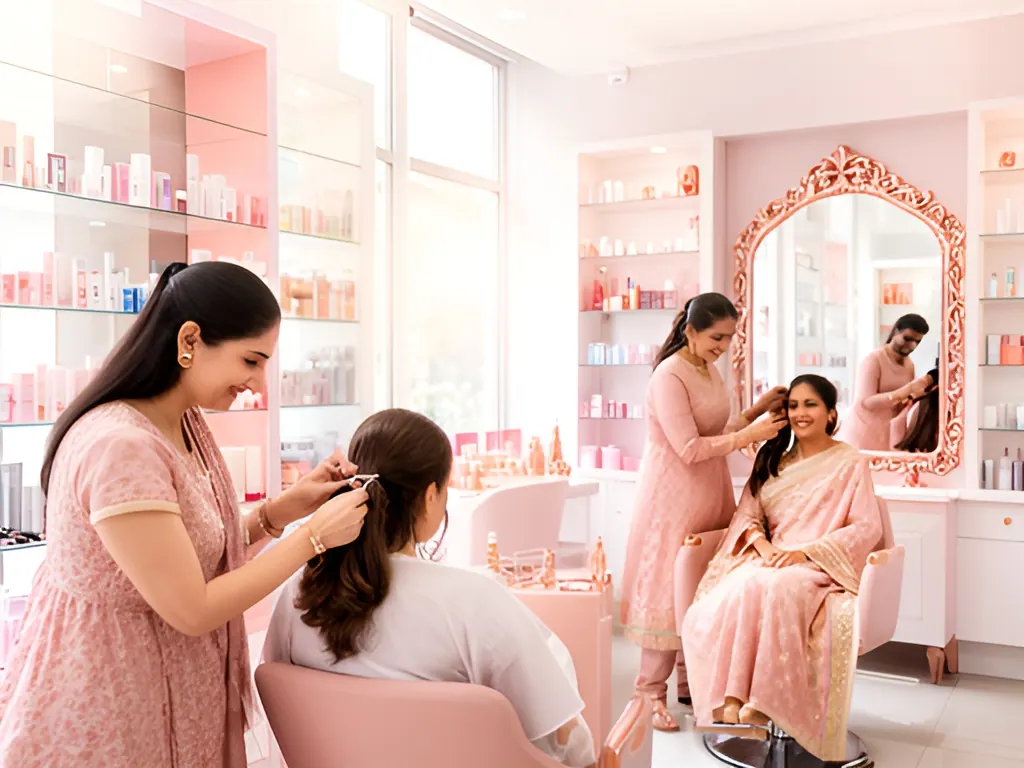
A men's barber shop starts at about ₹1.8 lakh in our data and a ladies Salon or beauty parlour parlour at about ₹2.5 lakh: chairs, mirrors, a wash station, tools, products and basic interiors. Our benchmarks (estimates) are ₹21,500–47,500 a month for a small-town barber shop and ₹40,000–78,000 a month for a tier-2 parlour. That is strong for the money, but it depends on skill and on keeping your stylists. Poaching by rival salons is a real risk.
Since 22 September 2025, salon services carry 5% GST without input credit, though you only register above ₹20 lakh turnover. Wedding muhurats (21, 24, 25 and 26 November 2026, then early December) and the week before Diwali and Karva Chauth are the peaks. Tuesdays are slow for barbers in many Hindu-majority areas.
Try it free in the simulator: Salon or beauty parlour
Run a realistic week of this business in 5 minutes before you invest a rupee.
Try it free in the simulator →Kirana store
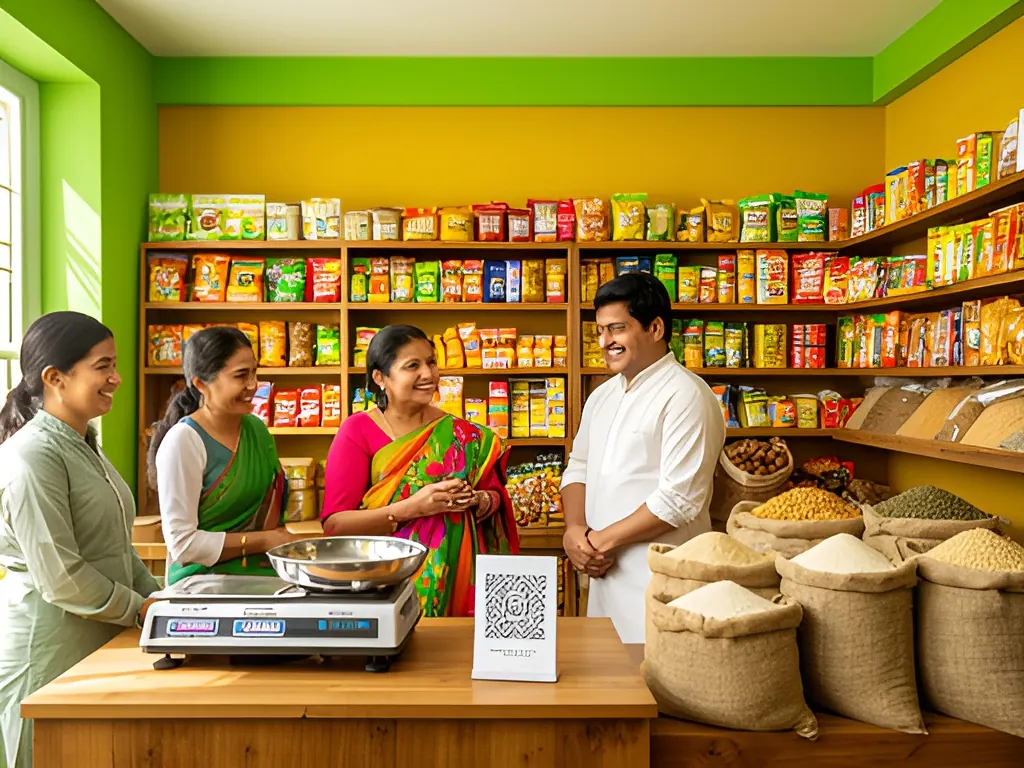
A home-front Kirana store costs about ₹2 lakh and a small 200 sq ft shop about ₹4.5 lakh in our data. It is steady and familiar, but margins are thin: our tier-2 benchmark for a small kirana is only ₹8,500–19,500 a month, and the payback can stretch to two or three years. Customers compare against MRP and against quick-commerce apps, which are gaining about one percentage point of grocery share each quarter in the top metros (HDFC SKY). A kirana does better in tier-2 and tier-3 towns and residential pockets, with home delivery on WhatsApp and tight control of udhaar.
Tin-shed dhaba
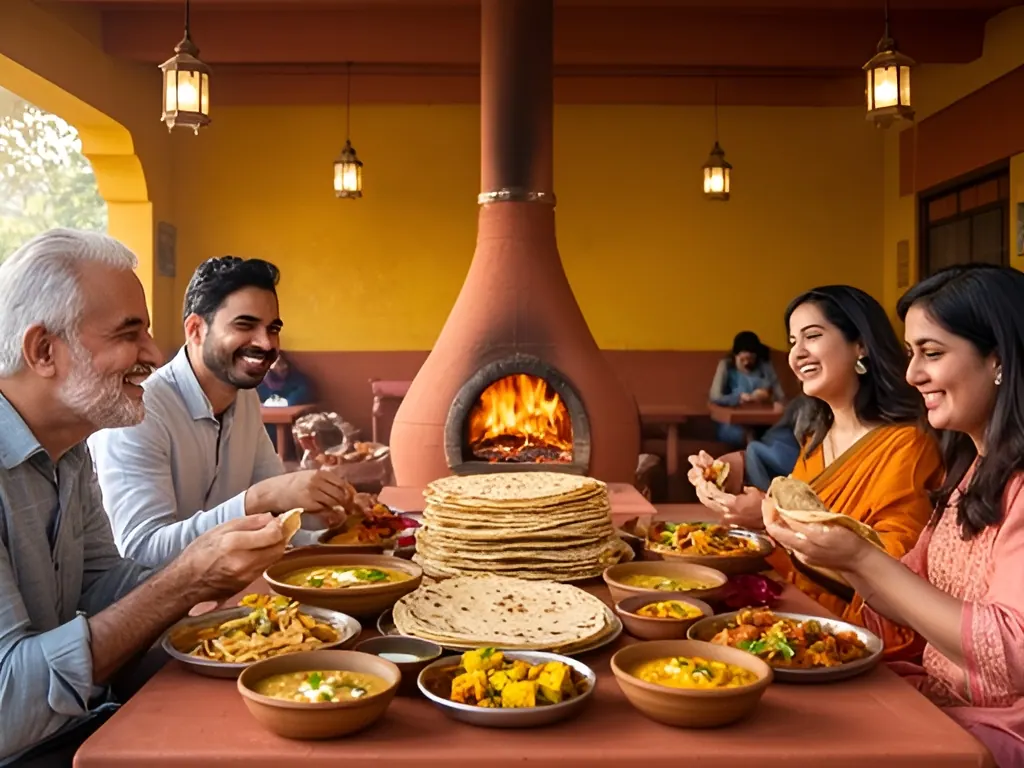
A small Dhaba or fast-food restaurant with a tin shed costs about ₹2.8 lakh in our data: the structure ₹30,000–50,000, kitchen equipment ₹40,000–60,000 and charpais and tables ₹20,000–30,000 (DineOpen), plus land rent, stock and licences. In a small town or on a highway, our benchmark is ₹65,000–95,500 a month, one of the best returns in this band, but it means long hours (many dhabas run 18–24 hours), a reliable cook and a location where trucks and travellers actually stop. Commercial LPG at ₹2,810 a cylinder in Delhi (October 2026) is a major cost.
Optical counter
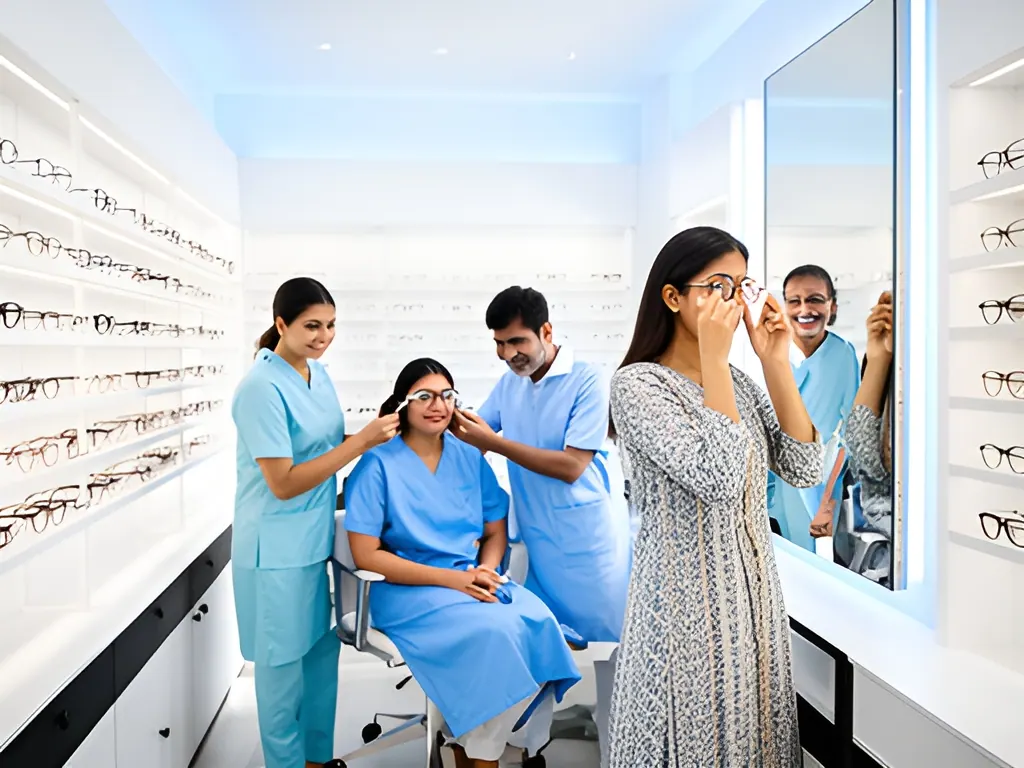
An optical counter starts at about ₹2.5 lakh in our data, and a proper Optical shop shop with a test room at about ₹7.5 lakh. Spectacle frames and lenses dropped from 12% to 5% GST in September 2025. You need a qualified optometrist (or a referral tie-up), and MD-42 registration for selling prescription spectacles and contact lenses can take 30–60 days after inspection, so plan the launch date around it.
Home catering
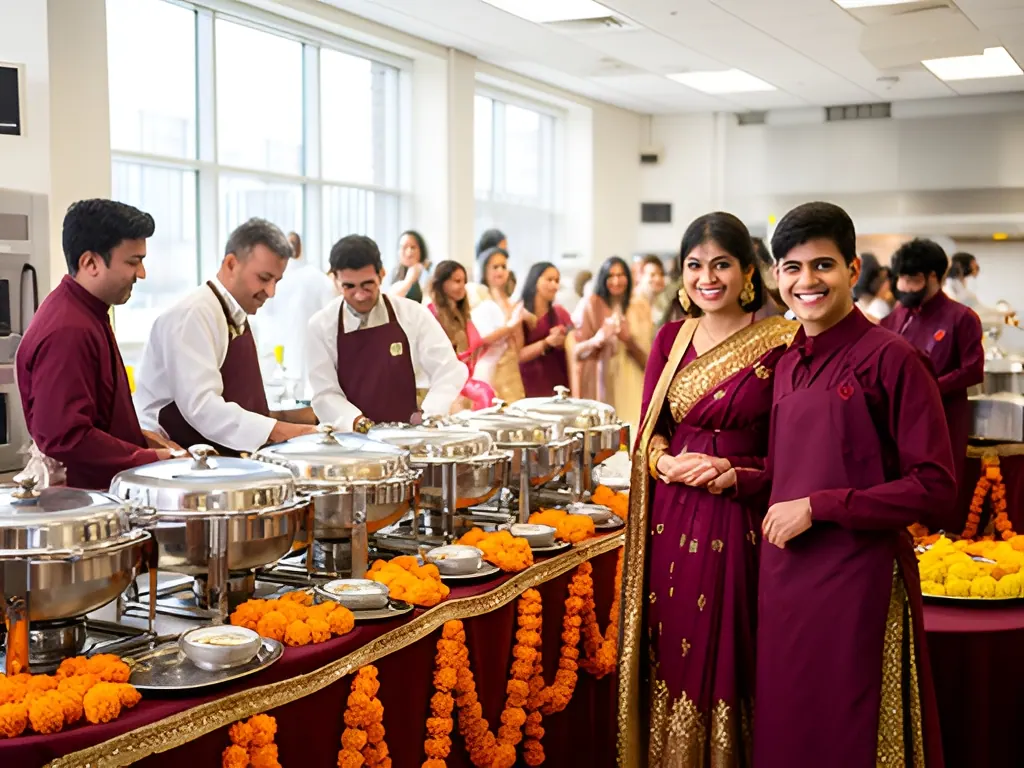
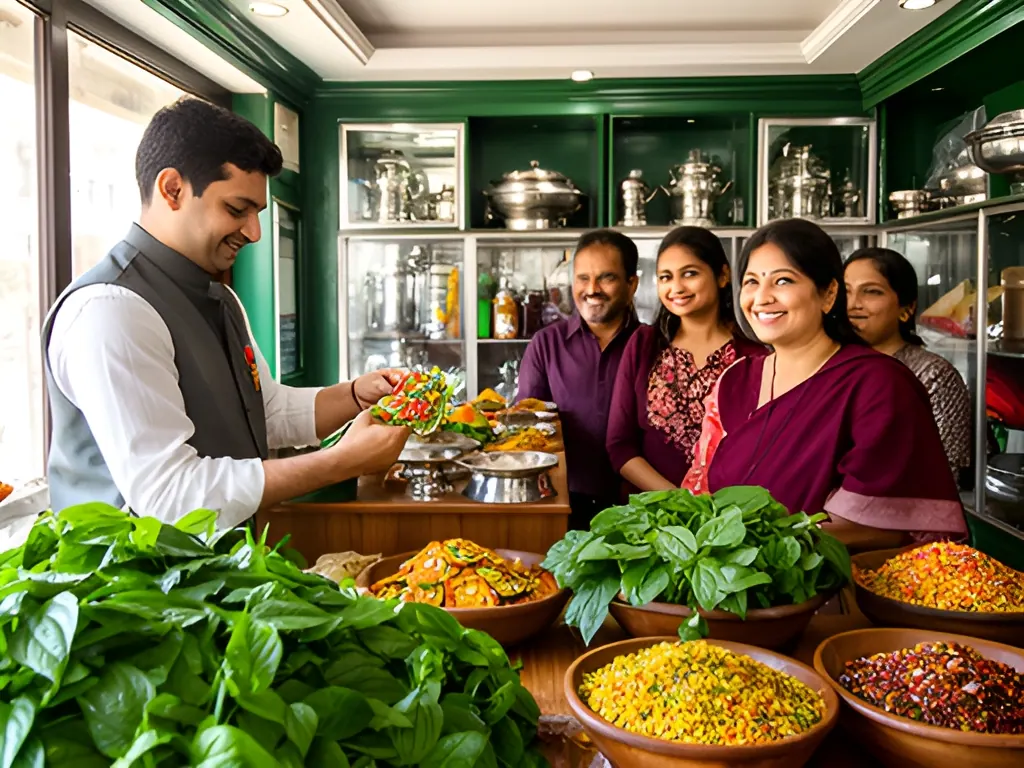
A home-based Catering business business costs ₹1–3 lakh, about ₹2 lakh in our data, using your kitchen and hired crockery. It caps you at roughly 50–150 plates per order. Profit comes in lumps around weddings, festivals and family functions, and you often pay for groceries and staff before the client pays the balance, so working capital matters more than equipment. A rented-kitchen caterer (about ₹7.5 lakh) can handle 300–800 plates.
Stationery and photocopy counter
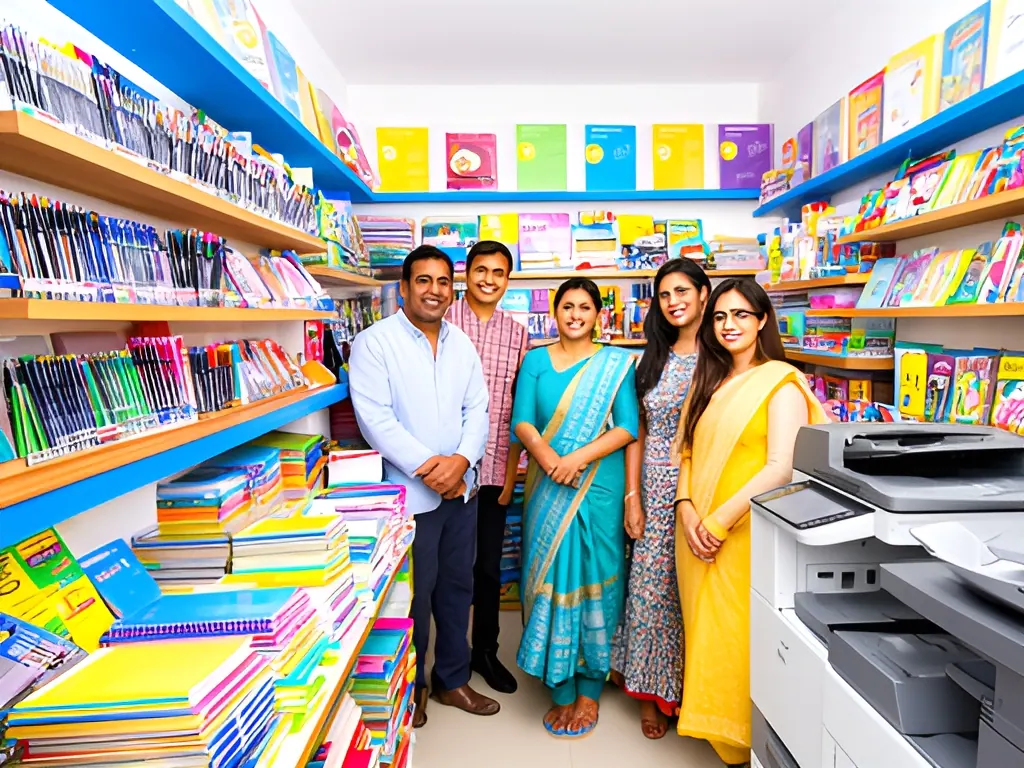
A counter with a photocopier costs about ₹1.75 lakh; a small 200–300 sq ft Stationery shop shop about ₹4 lakh. Our tier-2 benchmark for the small shop is ₹13,000–60,500 a month, a wide range because it swings hard with the school calendar: April–June and the start of the session are peak, and the rest of the year is slow. Location next to a school or college is everything.
Mobile repair and accessories shop
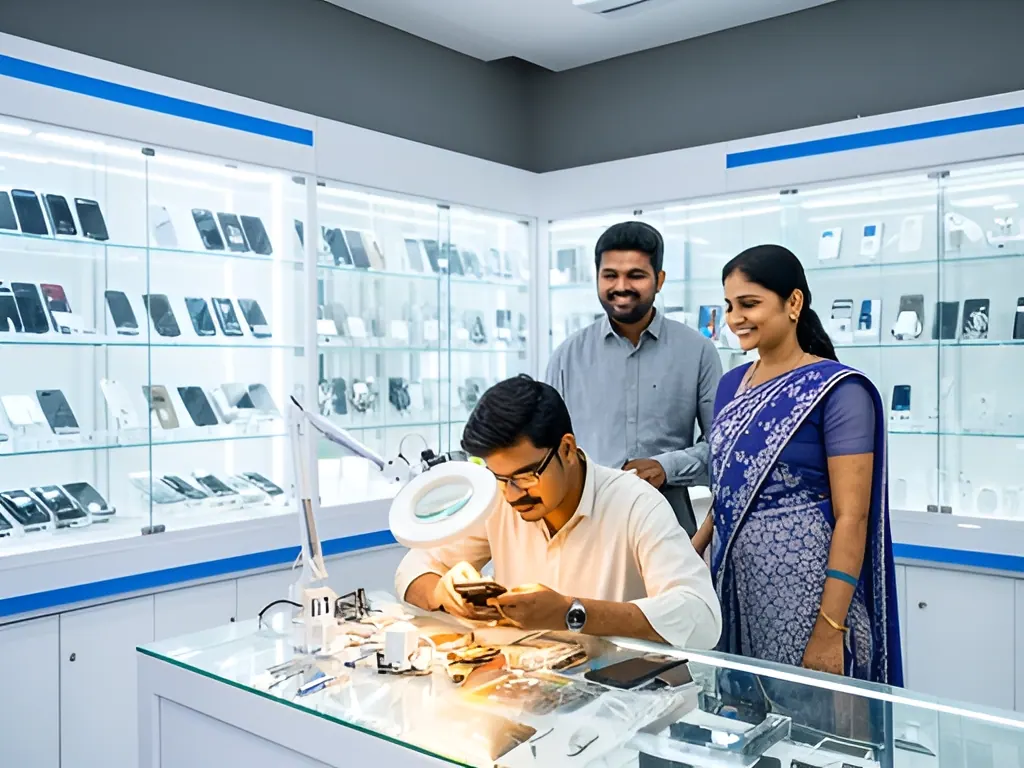
A Mobile repair shop repair-and-accessories shop costs about ₹1.5 lakh in our data and a market showroom about ₹4 lakh. Our tier-2 benchmark for the shop format is ₹24,000–69,500 a month. Accessories (screen guards, covers, chargers, earphones) bring footfall; repairs bring margin. Parts and accessories carry 18% GST. Diwali brings a four-to-six-week accessories rush.
Other options in this band
- Ice-cream counter or cart: ₹1.5–3.5 lakh, but summer-only demand gives long paybacks in our data.
- Small paan shop: about ₹2.5 lakh; our tier-2 benchmark is ₹21,500–78,000 a month with a strong non-tobacco mix.
- Small chicken shop: about ₹3.25 lakh including tiling, drainage and refrigeration; benchmark ₹13,000–43,500 a month in a tier-2 city.
- Poultry shed for 1,000 birds: about ₹5 lakh, but our small-town benchmark is just ₹3,000–8,000 a month, so it is a learning step, not an income.
- Used food truck or coffee kiosk: about ₹5 lakh each, before working capital, so they really need ₹5.3–5.8 lakh.
How to choose a ₹5 lakh business
Location
Rent is now your biggest fixed cost, so the location has to earn it. Healthy rent-to-sales ratios are under 4% for a kirana and up to about 10% for a salon. Before you sign an 11-month leave-and-licence agreement, stand at the spot for a week at your peak hours and count customers entering similar shops.
Skill
Salons, optical shops, mobile repair and catering are skill businesses. If you lack the skill, you depend on staff who can leave and take customers with them. Kirana, stationery and paan shops depend more on buying, credit control and location.
Time
Most of these are 10–14 hour, six- or seven-day businesses. A dhaba can run all night. If you cannot be there, budget for a trusted manager, and expect lower profit.
Risk
Ask what happens if sales are half your plan for three months. Shops with heavy stock (footwear, kirana, hardware) lose money to dead stock; food businesses lose it to wastage and LPG spikes; service businesses lose it when a key worker leaves.
Loans for a ₹5 lakh business
- Mudra Kishor: ₹50,000 to ₹5 lakh, collateral-free; Tarun covers ₹5–10 lakh and Tarun Plus ₹10–20 lakh for borrowers who have repaid a Tarun loan. Interest is roughly 9–14% a year depending on the bank (estimate). See our Mudra loan guide.
- PMEGP: a 15–35% subsidy on project cost for new units, higher for rural and special categories.
- Stand-Up India: ₹10 lakh–1 crore for SC/ST and women entrepreneurs, for bigger projects.
- PM SVANidhi: for street vendors only (₹15,000, ₹25,000, ₹50,000 in steps), useful if you are growing a cart into a fixed stall (News on AIR).
- Gold loan: up to 85% of gold value for loans up to ₹2.5 lakh (RBI, from 1 April 2026). Fast, but your gold is at risk.
Unsecured NBFC loans at 16–30% and informal loans at 2–5% a month make thin-margin shops like kirana unworkable. Borrow only what a bad month can still repay.
Licences
- Shop & Establishment registration and a municipal trade licence for any shop.
- FSSAI basic registration (₹100 a year up to ₹1.5 crore turnover from 1 April 2026) for food (FSSAI order).
- GST above ₹40 lakh turnover for goods and ₹20 lakh for services; composition scheme at 1% for small traders.
- Udyam registration (free).
- The four labour codes in force since 21 November 2025 require appointment letters and timely wages even in small shops; ESI applies at 10+ employees and PF at 20+.
Common mistakes with a ₹5 lakh budget
- Over-spending on interiors. Customers in a tier-2 kirana or barber shop care about stock and service, not marble.
- Signing the lease before checking footfall. A cheap rent in a dead lane is the most expensive mistake at this level.
- No working-capital reserve. Keep two to three months of fixed costs aside before you open.
- Over-stocking. Start with fast movers; add range as you learn what your customers ask for.
- Underestimating staff costs. State minimum wages are revised in April and October, and good staff get poached.
- Borrowing the full amount. An EMI on ₹5 lakh needs a profit you may not have in month one.
Try before you invest
₹5 lakh is serious money, often borrowed. Before you sign a lease, run the business for free in the BizGame simulator: pick a city tier, location and format, set prices, staff and stock, and see how a realistic week plays out with festivals, rain and price spikes. It is a learning game, not a way to earn money, but it will show you which levers matter before real money is on the line.
Try it free in the simulator: Kirana store
Run a realistic week of this business in 5 minutes before you invest a rupee.
Try it free in the simulator →