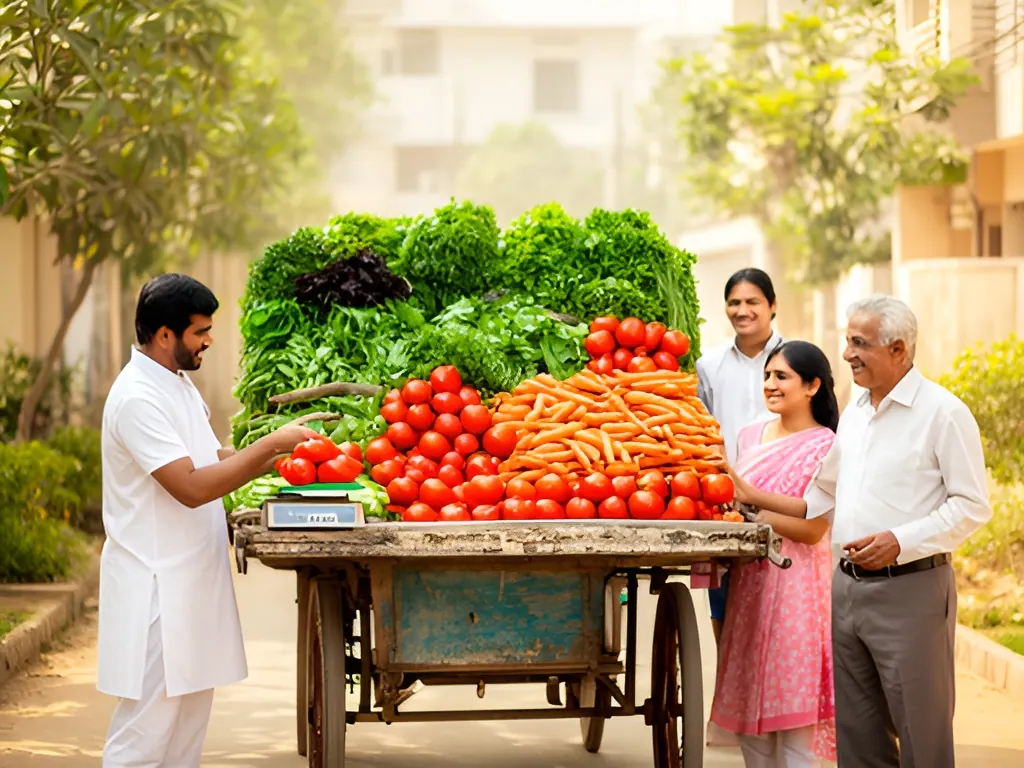
With ₹50,000 in India you can start a sabzi thela (about ₹20,000 setup), a chai cart (about ₹25,000), home tuition (about ₹35,000), home tailoring or a home tiffin service (about ₹40,000), or a mobile repair counter (about ₹45,000), and keep some cash for stock. A street-food cart or a home clothing resale business sits right at ₹50,000, so you would need a used cart or a smaller first stock. Below are the real numbers for each option, what the ₹50,000 has to cover, and how to choose.
All costs come from the research behind our free business simulator, priced for a tier-2 city. In a metro, expect more; in a small town, less.
Every business under ₹50,000 in our guides
| Business | Setup from | Typical shop: setup | Typical shop: profit a month (tier 2 city) |
|---|---|---|---|
| 🥬 Vegetable shop | ₹20,000 | ₹20,000 | ₹17,500–₹39,000 |
| ☕ Chai business | ₹25,000 | ₹60,000 | ₹55,000–₹1.1 lakh |
| 📚 Tuition centre | ₹35,000 | ₹1.3 lakh | ₹17,500–₹60,500 |
| 🧵 Tailoring shop or boutique | ₹40,000 | ₹2.3 lakh | ₹15,000–₹43,500 |
| 🍱 Tiffin service | ₹40,000 | ₹1 lakh | ₹17,500–₹30,500 |
| 📱 Mobile repair shop | ₹45,000 | ₹1.5 lakh | ₹24,000–₹69,500 |
| 🥟 Street food stall | ₹50,000 | ₹50,000 | ₹35,000–₹90,000 |
| 👗 Clothing store | ₹50,000 | ₹7 lakh | ₹21,500–₹1.1 lakh |
"Setup from" is the cheapest format of each business. The profit column is for the most common format in a tier-2 city, which for some businesses is bigger than the ₹50,000 version, so check the guide before you count on it.
What does ₹50,000 really need to cover?
Split your ₹50,000 into two parts before you buy anything.
1. Setup (one-time): the cart or machine, utensils, a scale, a signboard, FSSAI registration, and the first stock fill.
2. Working capital (running cash): the money that buys tomorrow's milk or vegetables, pays the helper and survives a rainy week. Small businesses in India run mostly on cash and UPI, and suppliers at the mandi rarely give a new seller credit, so you pay up front every day.
Our simulator works the same way. Your starting budget first pays the setup cost of the format you pick, and only the remainder becomes cash for the week. Here is what the game suggests for the cheapest format of each business in a tier-2 city:
| Business (cheapest format) | Setup | Suggested working capital | Total |
|---|---|---|---|
| Sabzi thela | ₹20,000 | ₹8,000 | ₹28,000 |
| Chai cart | ₹25,000 | ₹10,000 | ₹35,000 |
| Home tuition | ₹35,000 | ₹6,500 | ₹41,500 |
| Home tailoring | ₹40,000 | ₹10,000 | ₹50,000 |
| Home tiffin | ₹40,000 | ₹14,500 | ₹54,500 |
| Mobile repair counter | ₹45,000 | ₹16,500 | ₹61,500 |
| Street-food cart | ₹50,000 | ₹15,000 | ₹65,000 |
That week of working capital is the bare minimum. In real life, keep at least a month of fixed costs on top, because you will have slow weeks before regulars find you. So the honest answer is that a sabzi thela or chai cart fits ₹50,000 comfortably, tuition and tailoring fit if you have a room and a machine, and the others fit only if you cut setup (used equipment, utensils you already own).
Sabzi thela: the cheapest start
A Vegetable shop push-cart costs ₹8,000–18,000 new or ₹4,000–8,000 used. Add a 30 kg scale (₹2,000–5,000), 20–40 crates and ₹3,000–6,000 of opening stock (IIFL). Our benchmark for a well-run tier-2 thela is ₹17,500–39,000 a month (an estimate).
What decides profit:
- Mandi buying. You go before sunrise and buy in small lots. Overbuying leafy greens is the most common loss.
- Wastage. Tomatoes and leafy vegetables can lose a large share in summer heat. Crates and shade cut bruising.
- A fixed route or spot. Residential lanes give loyal regulars. Markets give crowds but more competition.
- Scale stamping. An unstamped scale invites a fine.
Chai cart: high volume, thin cup margin
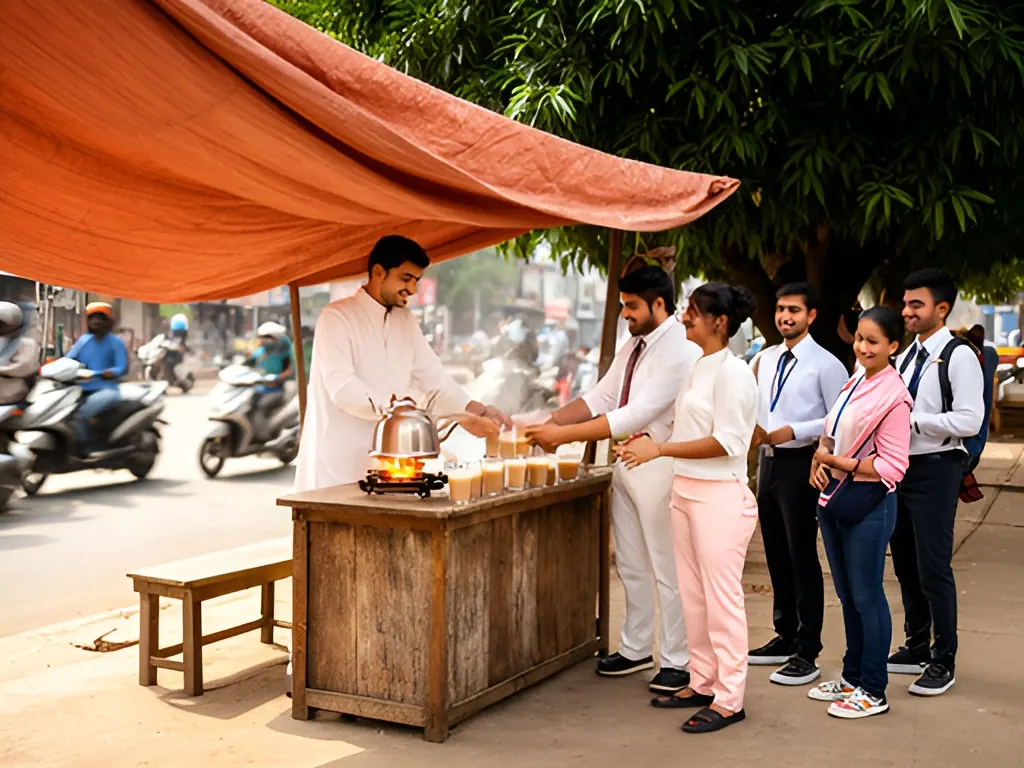
A Chai business cart with a burner and vessels costs ₹15,000–50,000, and about ₹25,000 is typical in our data. Milk is more than half your cost and is wasted by evening if you overbuy. Customers notice every rupee: the jump from ₹10 to ₹15 a cup loses a lot of them. In a small town, our benchmark for a cart is ₹22,000–42,000 a month.
Commercial LPG is ₹2,810 for a 19 kg cylinder in Delhi from 1 October 2026 (GoodReturns). Using a cheaper domestic cylinder for business is illegal and can be seized.
Try it free in the simulator: Chai business
Run a realistic week of this business in 5 minutes before you invest a rupee.
Try it free in the simulator →Home tuition: skill first, almost no stock
Tuition centre from home costs about ₹35,000 in our data for a board, seating and materials; IIFL says you can test demand for under ₹20,000. There is no perishable stock, so working capital is small. The limits are your room, your hours and your results. Word of mouth in parents' WhatsApp groups is the real marketing. A rented room raises setup to about ₹1.25 lakh, and our tier-2 benchmark for that format is ₹17,500–60,500 a month.
Watch the calendar: admissions cluster at the start of the session, and fee defaults rise near exams.
Home tailoring and boutique work
Tailoring shop or boutique from home starts around ₹40,000. A domestic electric machine costs ₹12,500–20,000, a treadle machine ₹6,000–12,000, an overlock machine ₹12,000–30,000 and a pico/fall machine ₹8,000–15,000. Wedding season and festivals like Karva Chauth and Diwali bring rush orders; the months in between are quiet.
Tailors can also apply for PM Vishwakarma: a ₹15,000 toolkit voucher and a ₹1 lakh loan at 5%. It is not available if you have already taken Mudra, PM SVANidhi or PMEGP (Drishti IAS), so choose carefully.
Home tiffin service
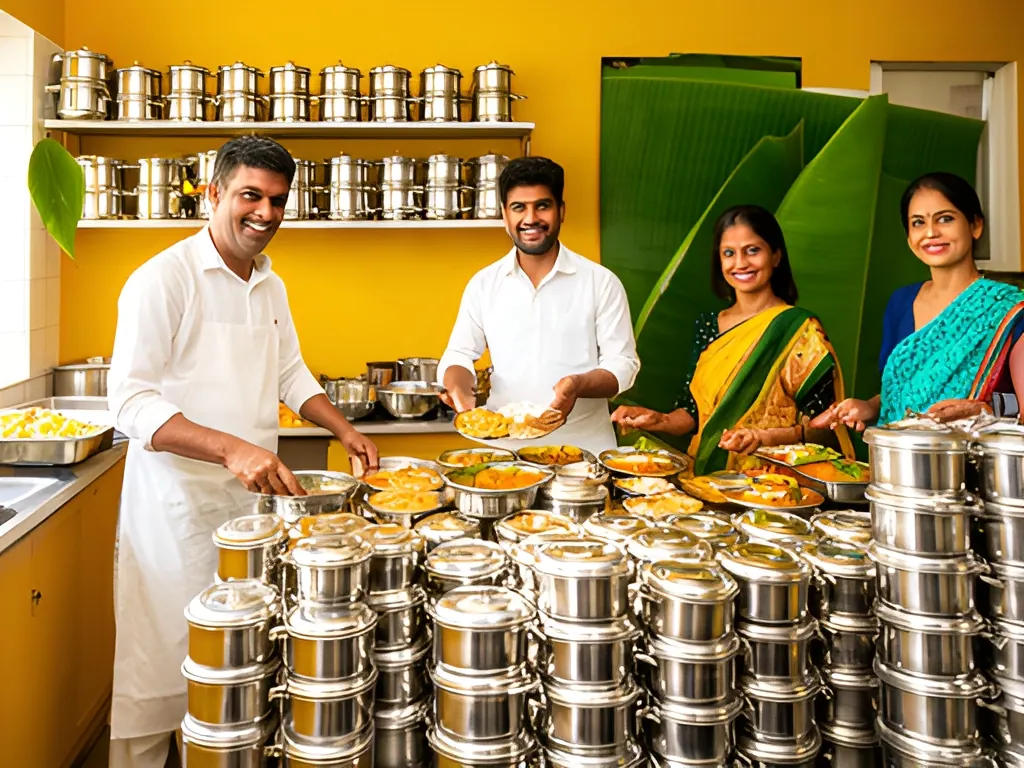
A Tiffin service service from your kitchen costs about ₹40,000 in our data: large vessels (₹15,000–20,000), a commercial burner (₹8,000–12,000), 30–40 steel dabbas (₹6,000–10,000) and insulated bags. A lean start using your own utensils can be about ₹30,000. Keep ₹15,000–40,000 for the first month's ration and gas.
In a small town, our benchmark for a home tiffin service is ₹8,500–17,500 a month. Students and PG residents are the core customers, and they leave during holidays. Collect monthly fees in advance.
Mobile repair counter
A solo Mobile repair shop counter in a tier-2 or tier-3 town costs ₹30,000–60,000 (IIFL): a basic toolkit ₹5,000–15,000, opening parts ₹10,000–20,000 and a simple counter and sign ₹5,000–10,000. In a small town, our benchmark is ₹10,000–25,000 a month. You need real repair skill first. Cheap copy screens fail more often and bring the customer back angry.
Street-food cart and home clothing resale: tight at ₹50,000
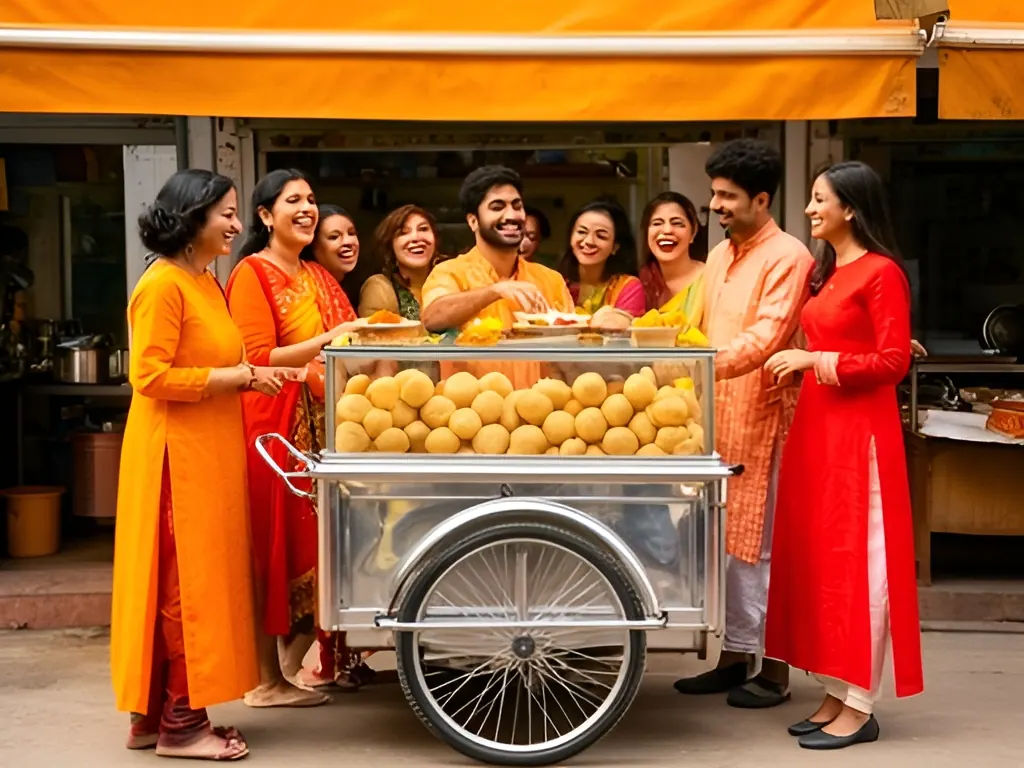
A new Street food stall cart costs ₹35,000–1.15 lakh, about ₹50,000 in our data. A used cart is often 40–60% of the new price. With working capital in hand, a well-run tier-2 cart benchmarks at ₹35,000–90,000 a month, among the best in our data, but eviction drives are a real risk without a Certificate of Vending.
A home Clothing store reseller (selling suits, kurtis or sarees through WhatsApp and Instagram) needs about ₹50,000 of first stock. The risk is dead stock: sizes and colours that do not sell lock up your money.
How to pick between these options
- Location: for a thela, chai or street-food cart, count footfall for three days at the hours you would sell. A cart in the wrong spot never recovers.
- Skill: tuition, tailoring, tiffin and mobile repair live on quality and word of mouth. Do not start one you cannot do well today.
- Time: a tiffin service means early mornings every day; a thela means a mandi trip before sunrise. Evening tuition fits around a job.
- Risk: perishables (milk, vegetables, cooked food) can spoil. Carts can be moved on. Skill businesses risk little stock but grow slowly.
Loans for a ₹50,000 business
- Mudra Shishu: collateral-free loans up to ₹50,000 from banks and MFIs (OkCredit). Interest is roughly 9–14% a year depending on the lender (estimate).
- PM SVANidhi (for street vendors): ₹15,000 first, then ₹25,000, then ₹50,000, each after repaying the last, plus digital cashback up to ₹1,600 a year. You need a Certificate of Vending or a Letter of Recommendation from your urban local body. Lending runs to 31 March 2030 (News on AIR).
- Gold loan: banks can lend up to 85% of gold value for loans up to ₹2.5 lakh under RBI rules from 1 April 2026. Quick, but your jewellery is at stake.
Stay away from daily-collection lenders. At 5–10% a month, a ₹20,000 loan can cost more than your profit.
Licences for a ₹50,000 business
- FSSAI basic registration for any food business: ₹100 a year, now covering turnover up to ₹1.5 crore (FSSAI order).
- Certificate of Vending for carts, from your town's vending committee.
- Udyam registration: free, useful for loans.
- GST: not needed until ₹40 lakh turnover for goods or ₹20 lakh for services.
Common mistakes on a ₹50,000 budget
- Buying everything new. A used cart or machine can free ₹10,000–20,000 for stock.
- No buffer. Every business has a slow first month. Without cash, you start borrowing at the worst rates.
- Underpricing. Pricing below the local norm rarely wins loyalty, and on a ₹10 cup or a ₹60 tiffin it destroys the margin.
- Ignoring wastage and udhaar. Write both down daily. They are where small-business money disappears.
- Mixing home and business cash. Keep a separate UPI QR or account so you know what the business really earns.
Try before you invest
₹50,000 is often someone's entire savings. Before you spend it, run your chosen business for free in the BizGame simulator: set your budget, pick a city tier, location and format, and see how a realistic week goes with rain, festivals and price swings. It is a learning game, not a way to earn money, but losing virtual cash is much cheaper than losing real cash.
Try it free in the simulator: Vegetable shop
Run a realistic week of this business in 5 minutes before you invest a rupee.
Try it free in the simulator →