With ₹1 lakh you can start most cart and stall businesses in India and still keep a cash buffer: a street-food cart (about ₹50,000 setup), a weekly-market chicken stall (about ₹55,000), a chai tapri (about ₹60,000), a paan gumti (about ₹70,000), or a sugarcane juice cart (about ₹75,000). Home businesses such as a home bakery, a tiffin service from a small rented kitchen, or a doorstep car-wash kit sit right at ₹1 lakh. A proper rented shop usually needs more, because of the rent deposit and opening stock. Below are the real numbers, what ₹1 lakh has to cover, and how to choose.
All figures come from the research behind our free business simulator, priced for a tier-2 city.
Every business under ₹1 lakh in our guides
| Business | Setup from | Typical shop: setup | Typical shop: profit a month (tier 2 city) |
|---|---|---|---|
| 🥬 Vegetable shop | ₹20,000 | ₹20,000 | ₹17,500–₹39,000 |
| ☕ Chai business | ₹25,000 | ₹60,000 | ₹55,000–₹1.1 lakh |
| 📚 Tuition centre | ₹35,000 | ₹1.3 lakh | ₹17,500–₹60,500 |
| 🧵 Tailoring shop or boutique | ₹40,000 | ₹2.3 lakh | ₹15,000–₹43,500 |
| 🍱 Tiffin service | ₹40,000 | ₹1 lakh | ₹17,500–₹30,500 |
| 📱 Mobile repair shop | ₹45,000 | ₹1.5 lakh | ₹24,000–₹69,500 |
| 🥟 Street food stall | ₹50,000 | ₹50,000 | ₹35,000–₹90,000 |
| 👗 Clothing store | ₹50,000 | ₹7 lakh | ₹21,500–₹1.1 lakh |
| 🍗 Chicken shop | ₹55,000 | ₹3.3 lakh | ₹13,000–₹43,500 |
| 🍃 Paan shop | ₹70,000 | ₹2.5 lakh | ₹21,500–₹78,000 |
| 🥤 Sugarcane juice business | ₹75,000 | ₹75,000 | ₹17,500–₹47,500 |
| 🥐 Bakery | ₹1 lakh | ₹12 lakh | ₹45,000–₹68,000 |
| 🚿 Car wash | ₹1 lakh | ₹6 lakh | ₹20,000–₹25,000 |
| 👟 Footwear shop | ₹1 lakh | ₹6 lakh | ₹86,500–₹3.5 lakh |
"Setup from" is each business's cheapest format. The profit column is for the format most common in a tier-2 city. For a few businesses (bakery, footwear) that format is a much bigger shop than the ₹1 lakh version, so treat those profit figures as where the business can grow, not where it starts. The sections below give the numbers for the small format.
What does ₹1 lakh really need to cover?
Every business needs two kinds of money, and our simulator models both:
- Setup cost: equipment, cart or counter, signboard, licences, deposit and first stock.
- Working capital: cash for daily stock, gas, wages and rent while sales build up.
In the game, your budget first pays the setup of the format you choose; what remains is your cash for the week. If you choose a format that eats the whole budget, the game will not start. In real life, the business starts anyway and then stalls the first time a supplier wants cash.
Here is how ₹1 lakh splits for a few small formats in a tier-2 city, using the game's setup and its suggested one-week working capital:
| Business (format) | Setup | Week of working capital | Left as buffer from ₹1 lakh |
|---|---|---|---|
| Street-food cart | ₹50,000 | ₹15,000 | ₹35,000 |
| Chai tapri | ₹60,000 | ₹15,000 | ₹25,000 |
| Paan gumti | ₹70,000 | ₹15,000 | ₹15,000 |
| Juice cart | ₹75,000 | ₹12,000 | ₹13,000 |
| Home bakery | ₹1,00,000 | ₹15,000 | short by ₹15,000 |
| Footpath chappal stall | ₹1,00,000 | ₹66,500 | short by ₹66,500 |
The last two rows show why "under ₹1 lakh" can mislead. A home bakery's setup fits, but you need ₹15,000 more to run it. A chappal stall's setup fits, but a full size-run of stock pushes the real need to about ₹1.65 lakh.
Street-food cart: best margins, real eviction risk
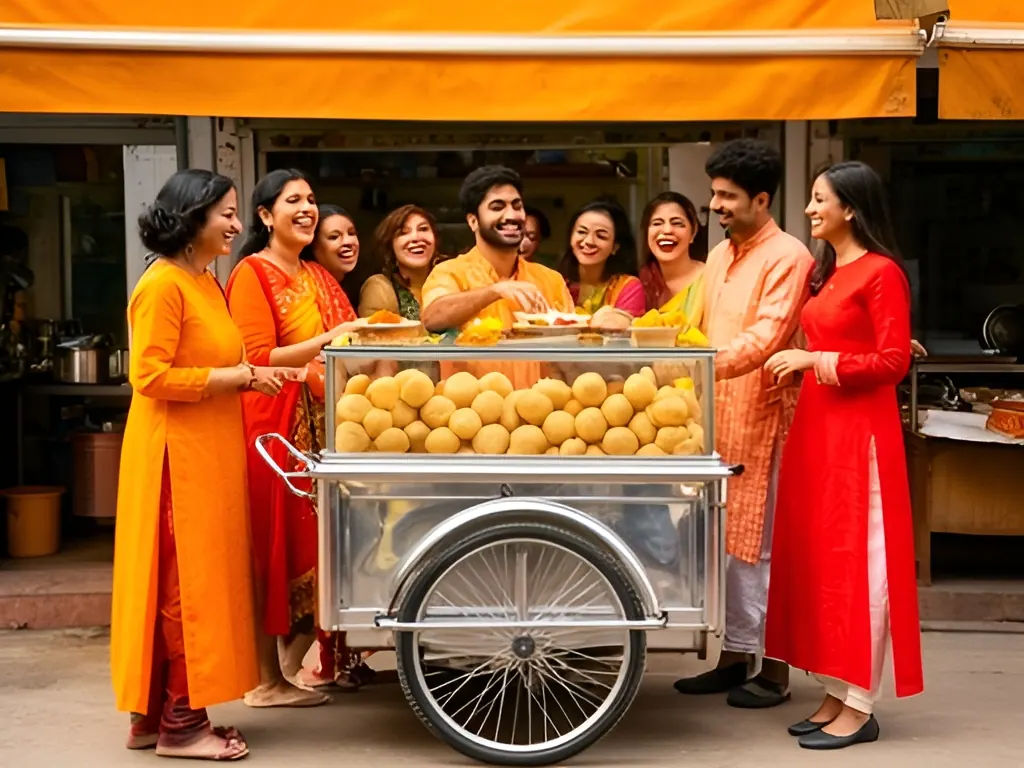
A Street food stall cart costs ₹35,000–1.15 lakh new, about ₹50,000 in our data; second-hand carts are often 40–60% cheaper. Add burners, a kadhai or steamer (₹5,000–25,000 depending on the menu) and ₹2,000–8,000 of first stock. Our benchmark for a well-run tier-2 cart is ₹35,000–90,000 a month.
The menu sets the risk. Momos need a steamer, rolls a tawa, biryani large handis. Non-veg sales drop sharply during Navratri in many north Indian towns. Rain cuts footfall. The biggest danger is eviction: a Certificate of Vending under the Street Vendors Act strongly cuts it and is also what unlocks PM SVANidhi.
Try it free in the simulator: Street food stall
Run a realistic week of this business in 5 minutes before you invest a rupee.
Try it free in the simulator →Chai tapri: a step up from the cart
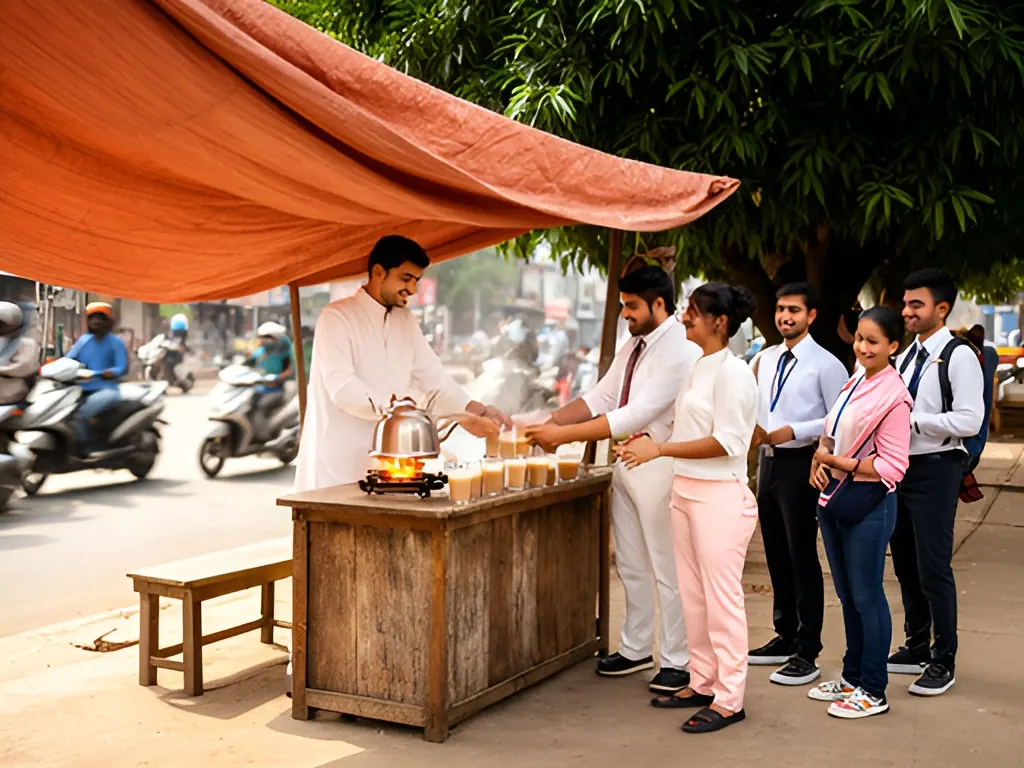
A Chai business tapri, a small fixed stall with a bench and one or two helpers, costs about ₹60,000 in our data, against ₹25,000 for a cart. You get seating, more capacity and regulars who sit and talk. In a tier-2 city, our benchmark for a well-run tapri is ₹55,000–1.1 lakh a month, an estimate that assumes a busy spot and good milk control. Milk is more than half your cost and does not keep; overbuying is the most common leak.
Sugarcane juice cart
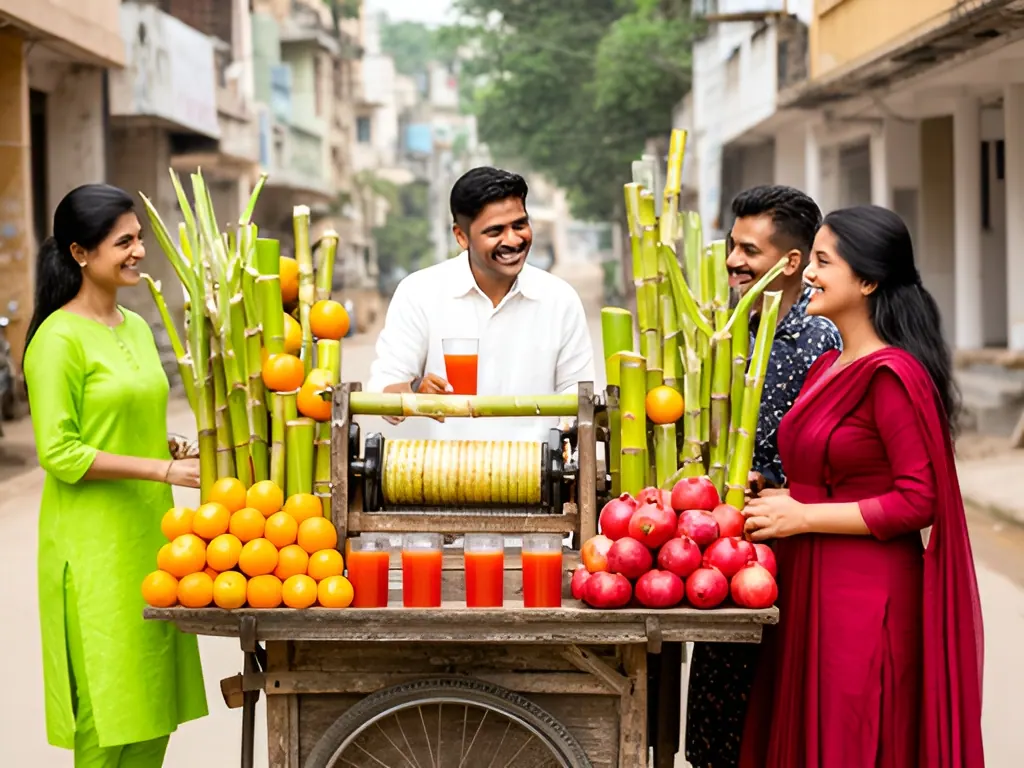
A Sugarcane juice business cart with a crusher costs about ₹75,000. A budget crusher is ₹25,000–35,000; an engine crusher (for spots without power) about ₹58,000; an electric 4–6 roller ₹45,000–85,000. Our tier-2 benchmark is ₹17,500–47,500 a month, but it is seasonal: summer is strong, and the monsoon and winter are weak. Clean glasses and a clean crusher are what customers judge you on.
Paan gumti
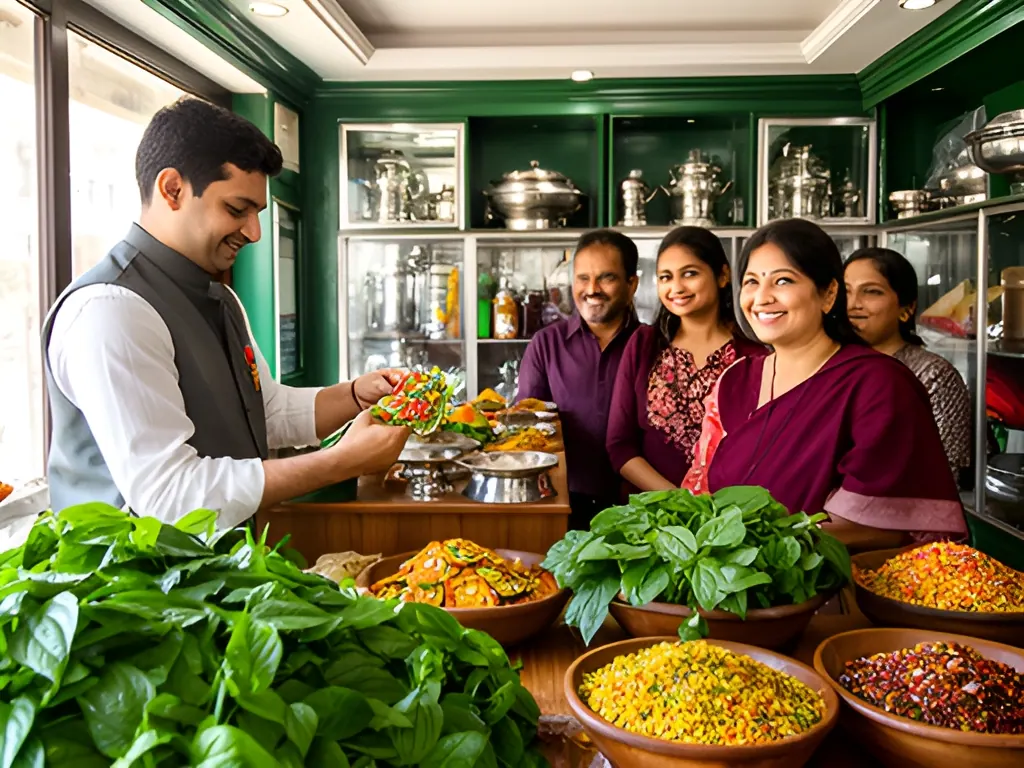
A Paan shop gumti or cart costs ₹40,000–1 lakh including first stock, about ₹70,000 in our data. Meetha paan, mukhwas, cold drinks and small snacks carry the margin. Many shops lean on cigarettes for footfall, but tobacco margins are thin (an estimated 4–10%), it carries 40% GST, and selling it within 100 yards of a school or college is illegal, so a tobacco-free mix is the safer plan. A gumti needs a vending certificate in most towns. A small rented paan shop costs ₹1.5–3.5 lakh excluding the deposit.
Chicken stall at the weekly market
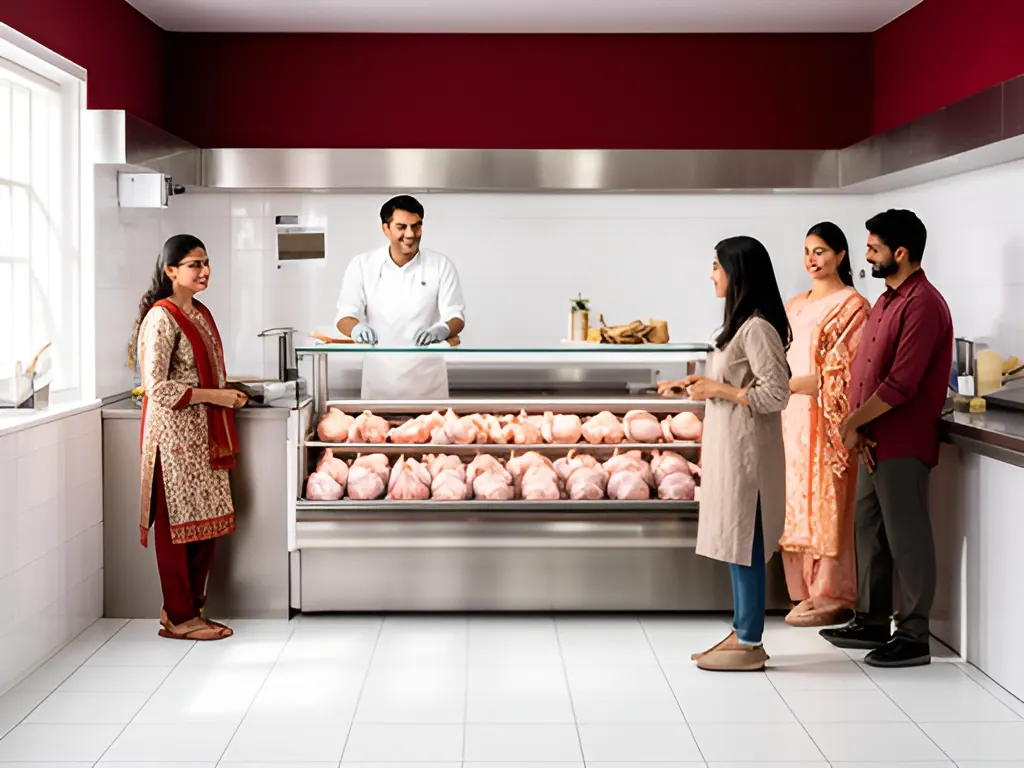
A weekly-market cage Chicken shop stall costs about ₹55,000 in our data. A permanent chicken shop is ₹3–3.5 lakh excluding rent and deposit (IIFL), because it needs tiling, drainage and refrigeration. Broiler prices swing a lot (₹180–300 a kg, an estimate), and Navratri, Shravan and local festivals cut demand for days at a time.
Home bakery
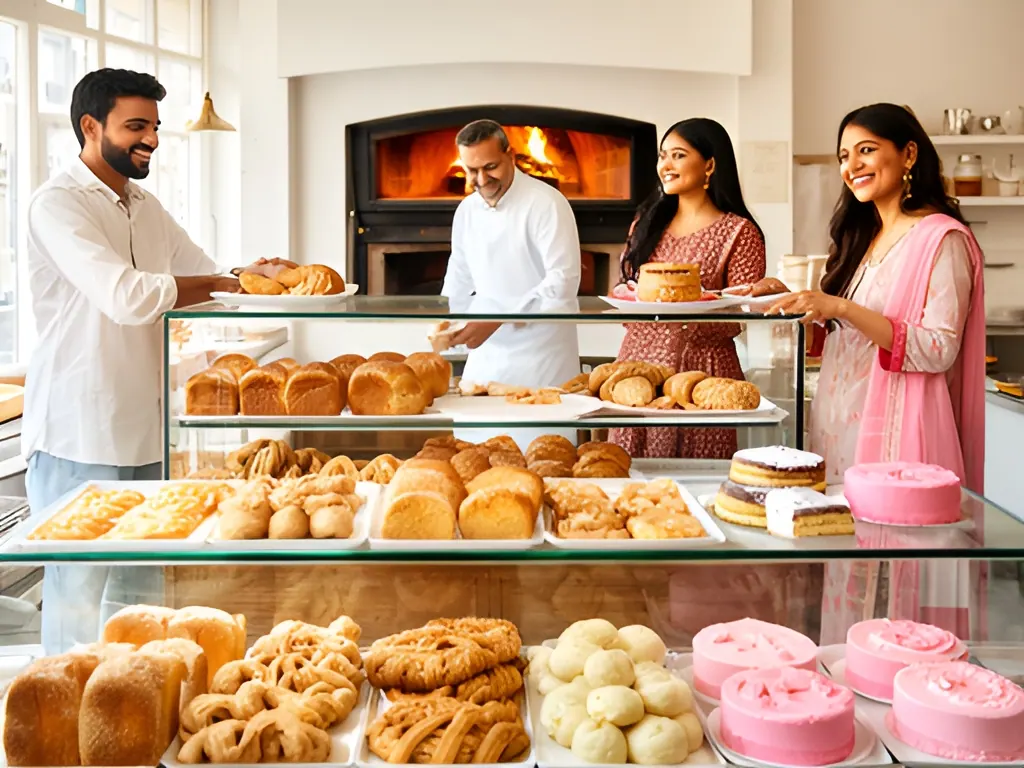
A home Bakery needs an OTG (₹8,000–15,000), a stand mixer, moulds, packaging and an Instagram page. Our data puts setup at about ₹1 lakh with about ₹15,000 of working capital. Capacity is the limit: one person with a home oven manages roughly 15 custom orders a week. Cakes and pastries now carry 5% GST (down from 18%), though you will not need GST registration until ₹40 lakh turnover. Christmas, New Year and birthdays drive orders.
Tiffin from a small rented kitchen
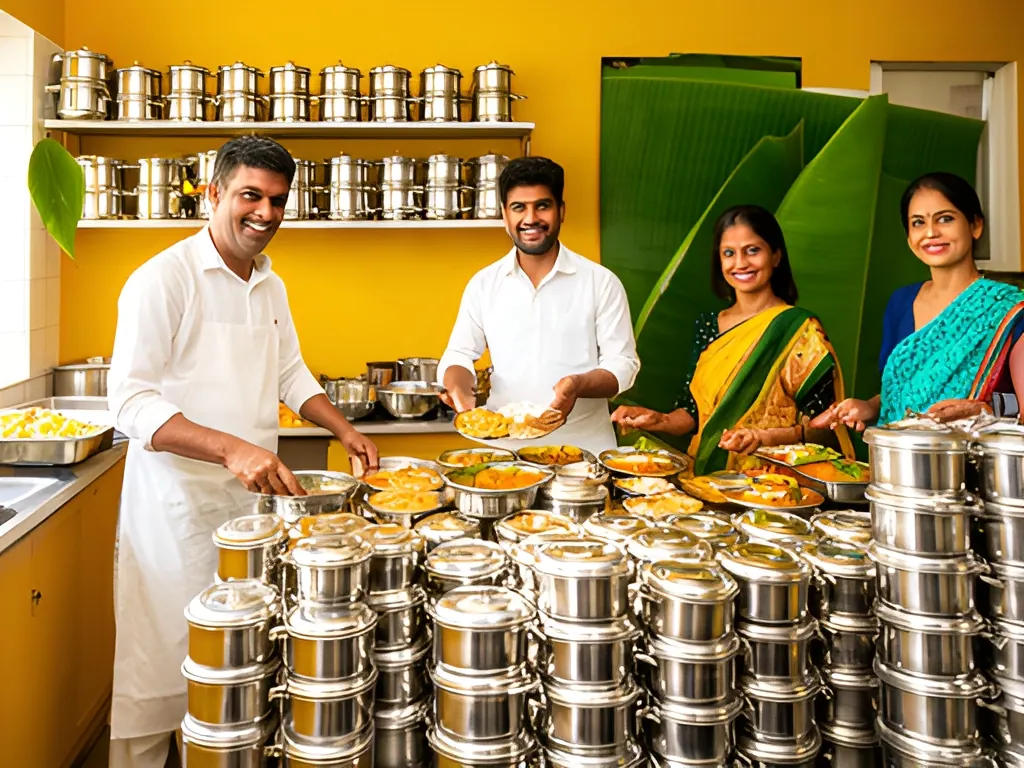
A home Tiffin service service starts at about ₹40,000. Moving into a small rented kitchen for 30–60 subscribers costs ₹50,000–1.5 lakh, about ₹1 lakh in our data, and our tier-2 benchmark for it is ₹17,500–30,500 a month. Cook absenteeism and students leaving for holidays are the main shocks.
Doorstep car wash
A Car wash doorstep kit (waterless or low-water products, pressure washer, vacuum, a two-wheeler) costs about ₹1 lakh. Demand peaks on Saturdays, Sundays and the festive weeks before Diwali. Water bans in summer hit fixed washing bays hardest, which is one reason the doorstep model is the safer low-budget entry. The profit column above is for a fixed bay, not the kit.
Still cheaper: under ₹50,000
If ₹1 lakh is a stretch, a sabzi thela, chai cart, home tuition, home tailoring or a mobile repair counter starts under ₹50,000. See our business ideas under ₹50,000.
How to choose between ₹1 lakh business ideas
- Location first for carts and stalls. Count customers at the hours you plan to sell, for three days including a weekend. Office areas die on Sunday; markets peak on it.
- Skill for home businesses. Baking, cooking and tailoring sell on taste and word of mouth. Test with 20 paying customers before you buy equipment.
- Time. A chai tapri needs you from early morning to late evening. A tiffin service starts before dawn. A home bakery can fit evenings and weekends.
- Season. Juice and ice cream are summer businesses; chai and street food are stronger in winter in the north. Know your weak months before you start.
- Risk. Perishable stock, eviction, and one-person operations (if you fall ill, the business closes) are the three big ones at this budget.
Loans for a ₹1 lakh business
- Mudra: Shishu up to ₹50,000 and Kishor from ₹50,000 to ₹5 lakh, both collateral-free. Interest is roughly 9–14% a year depending on the bank (estimate). Tarun (₹5–10 lakh) and Tarun Plus (₹10–20 lakh, for those who repaid a Tarun loan) are for bigger setups.
- PM SVANidhi (street vendors): ₹15,000, then ₹25,000, then ₹50,000, each unlocked by repaying the previous one, with digital cashback up to ₹1,600. You need a Certificate of Vending or a Letter of Recommendation from your urban local body, and lending runs to 31 March 2030 (News on AIR).
- PMEGP: a 15–35% subsidy on project cost for new units, worth checking if you are setting up a small food-processing or service unit.
Avoid informal lenders charging 2–10% a month. On a ₹1 lakh business, that interest can eat your entire profit.
Licences
- FSSAI basic registration for food: ₹100 a year, covering turnover up to ₹1.5 crore from 1 April 2026 (FSSAI order).
- Certificate of Vending for carts and gumtis.
- Trade licence / Shop & Establishment registration for a fixed stall or shop.
- Udyam registration: free, and banks like it.
Common mistakes with a ₹1 lakh budget
- Treating the setup price as the total. As the table shows, a chappal stall that "starts at ₹1 lakh" really needs about ₹1.65 lakh.
- Buying the biggest machine. A ₹85,000 electric crusher earns nothing in the monsoon. Start with what your season and spot can use.
- Skipping the trial. Sell from home or a weekend stall for a month before you commit to a fixed spot.
- Ignoring the off-season. Plan what you will sell, or how you will cover costs, in your weak months.
- Selling on credit. Udhaar to regulars feels friendly until it is ₹15,000 of your working capital.
- No records. Note daily sales, stock bought and wastage. Without them you cannot tell a good week from a lucky one.
Try before you invest
Before you put ₹1 lakh into a cart or a kitchen, run the business for free in the BizGame simulator. Each five-minute round is one realistic week: you pick the city tier, location and format, set prices and staff, buy stock, and deal with rain, festivals and price spikes. It is a learning game, not a way to earn money, and it is the cheapest way to find out what you do not yet know.
Try it free in the simulator: Sugarcane juice business
Run a realistic week of this business in 5 minutes before you invest a rupee.
Try it free in the simulator →