With ₹10 lakh in India you can open a proper shop or a small food business in most tier-2 cities: a small halwai sweet shop (about ₹6.5 lakh setup), a small medical store (about ₹6 lakh), a compact cloud kitchen (about ₹5.5 lakh), a budget neighbourhood gym (about ₹8 lakh), an optical shop with a test room (about ₹7.5 lakh), a fast-food joint or semi-permanent dhaba (about ₹8 lakh), a small clothing shop (about ₹7 lakh) or a hardware counter (about ₹4 lakh). The money buys you a better location and more capacity, but it also brings higher rent, staff and stock, so the risk is bigger, not smaller. Below are the real numbers, what ₹10 lakh has to cover, how to choose and how to borrow.
All figures come from the research behind our free business simulator, priced for a tier-2 city.
Businesses that start between ₹3 lakh and ₹10 lakh
| Business | Setup from | Typical shop: setup | Typical shop: profit a month (tier 2 city) |
|---|---|---|---|
| 🔧 Hardware and paint shop | ₹4 lakh | ₹10 lakh | ₹21,500–₹1.5 lakh |
| 🧋 Café | ₹5 lakh | ₹12 lakh | ₹65,000–₹1.3 lakh |
| 🚚 Food truck business | ₹5 lakh | ₹12 lakh | ₹52,000–₹78,000 |
| 🐔 Poultry farm | ₹5 lakh | ₹22 lakh | ₹8,500–₹39,000 |
| 🥡 Cloud kitchen | ₹5.5 lakh | ₹7 lakh | ₹15,000–₹41,000 |
| 💊 Medical store | ₹6 lakh | ₹10 lakh | ₹15,000–₹50,000 |
| 🍬 Sweet shop | ₹6.5 lakh | ₹6.5 lakh | ₹1.1 lakh–₹2.6 lakh |
| 🏋️ Gym | ₹8 lakh | ₹20 lakh | ₹52,000–₹1.1 lakh |
"Setup from" is the cheapest format of each business; the profit column is for the most common format in a tier-2 city. Some of these businesses also have bigger formats beyond ₹10 lakh.
Many businesses that start cheaper have formats that fit this budget too:
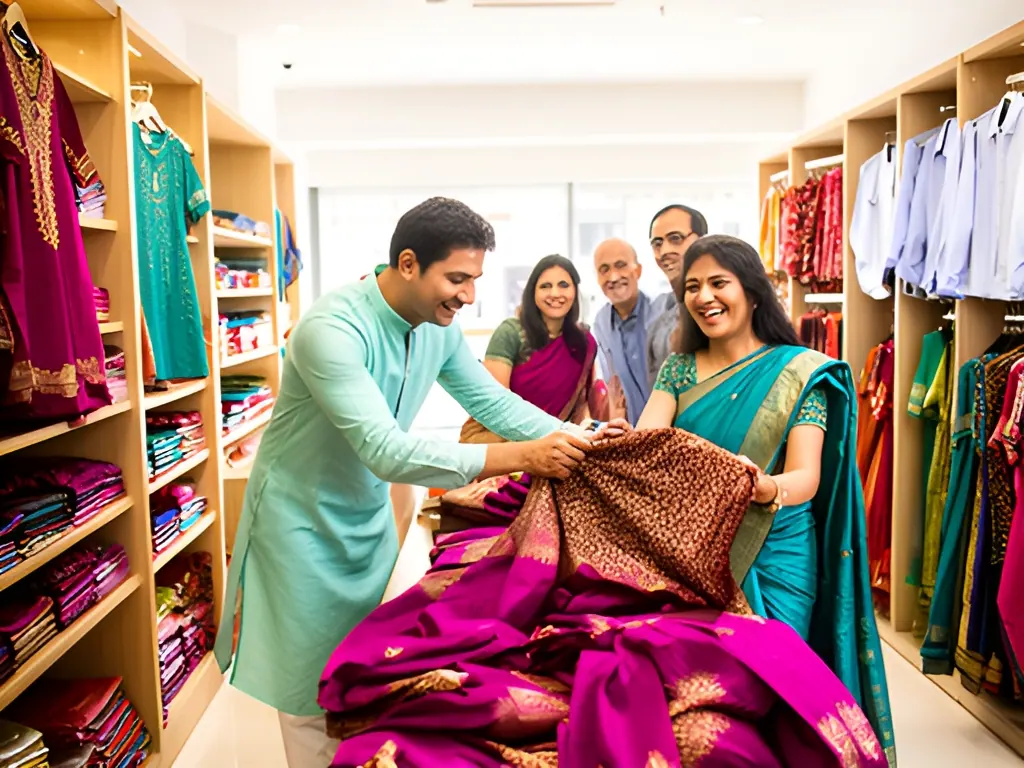
- a small Clothing store shop of 200–400 sq ft (about ₹7 lakh)
- a small multi-brand footwear shop (about ₹6 lakh)
- a rented-kitchen caterer (about ₹7.5 lakh)
- a manual single-bay car wash (about ₹6 lakh)
- a scoop ice-cream parlour or juice franchise kiosk (about ₹8 lakh)
- a paan parlour (about ₹6 lakh) or a tobacco-free paan franchise kiosk (about ₹7.5 lakh)
- a mid-size kirana of 500 sq ft (about ₹10 lakh, which leaves nothing for working capital)
For smaller budgets, see business ideas under ₹5 lakh and our overview of low investment business ideas.
What does ₹10 lakh really need to cover?
At this size, the setup is only part of the story. A ₹10 lakh business usually carries ₹1–2 lakh a month in rent, wages, electricity and stock top-ups before it earns anything. Split the money like this:
- Setup: deposit (3–10 months' rent), fit-out, equipment, signage, licences, opening stock.
- Working capital: at least two to three months of fixed costs, plus stock for your first festival season.
- Contingency: 10% for things you did not plan, such as a fire NOC, a broken chiller or a delayed licence.
Our simulator separates the two: your budget first pays the setup cost of the format you pick, and only what remains is your operating cash. Pick a format that uses everything and the game will not start. For example, a mid-size 500 sq ft kirana costs about ₹10 lakh to set up but the game suggests about ₹90,000 more as working capital, so it does not really fit a ₹10 lakh budget.
Sweet shop
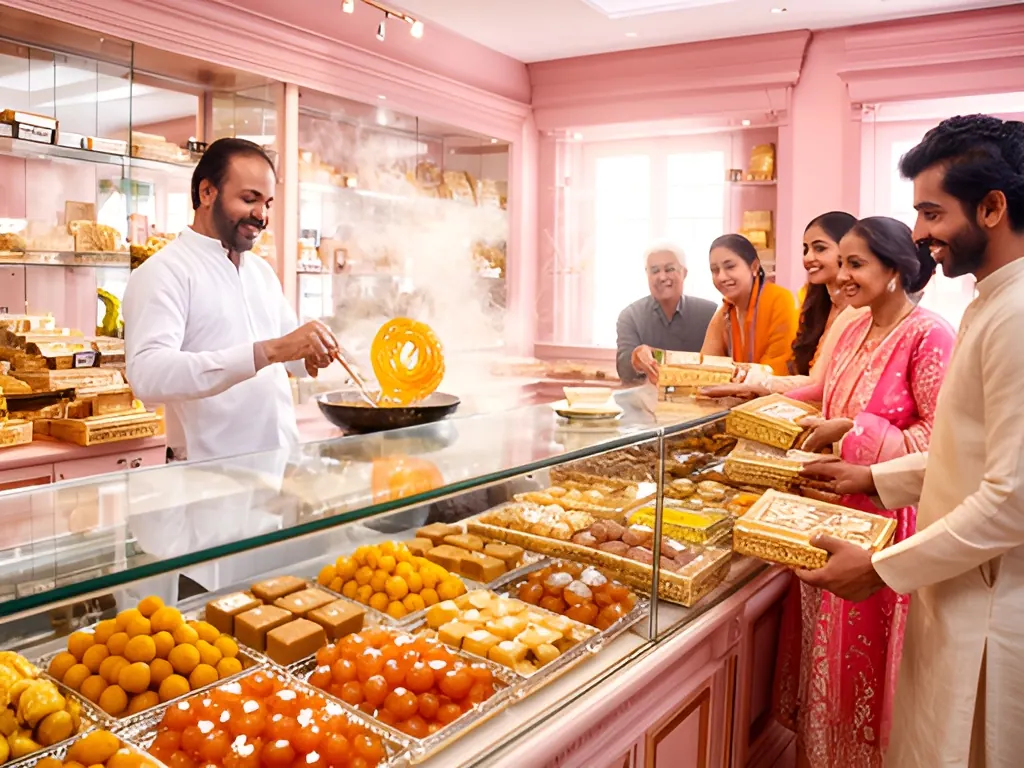
A small Sweet shop (150–300 sq ft, one or two bhattis, a halwai and a helper) costs about ₹6.5 lakh in our data; a standard 300–600 sq ft shop with chilled display is about ₹12 lakh. In a small town, our benchmark for a small halwai shop is ₹43,500–1.08 lakh a month, among the strongest in this band. The catch is seasonality and skill: Diwali alone is reported as roughly a third of a sweet maker's annual sales, Raksha Bandhan, Holi and weddings add more, milk and khoya prices move (Amul and Mother Dairy raised milk by ₹2 a litre from 14 May 2026 (Angel One)), and a good halwai is hard to find and easy to lose.
Try it free in the simulator: Sweet shop
Run a realistic week of this business in 5 minutes before you invest a rupee.
Try it free in the simulator →Medical store
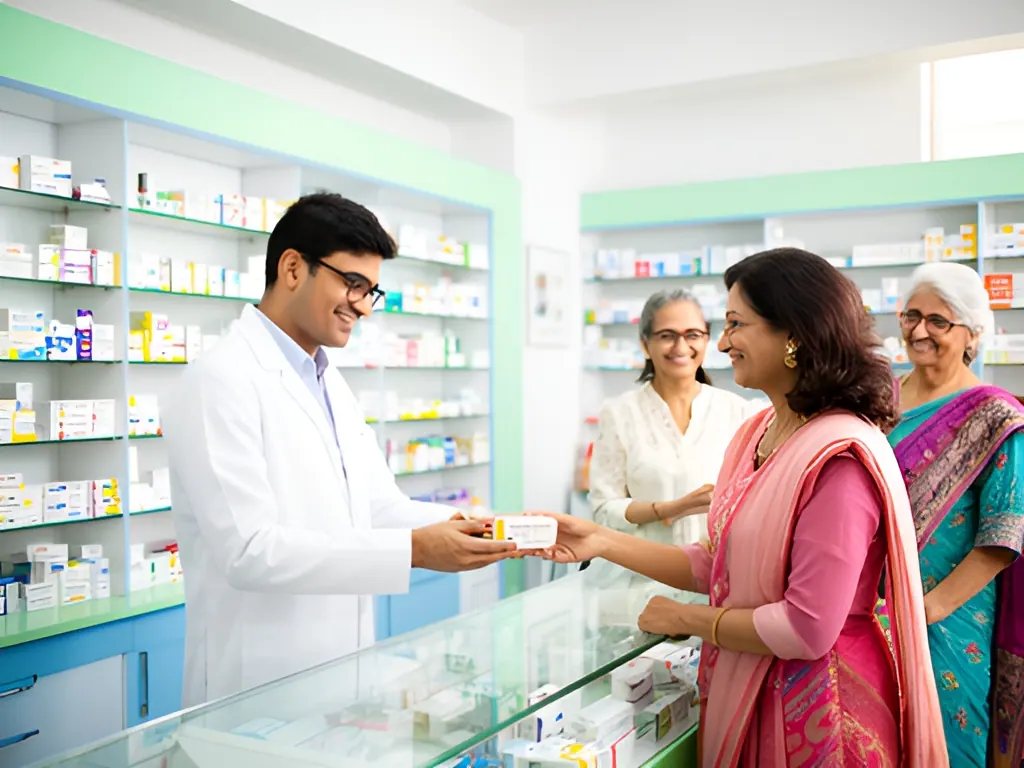
A small Medical store store costs about ₹6 lakh and a neighbourhood chemist about ₹10 lakh in our data. Licence fees are small: a retail drug licence (Forms 20 and 21) costs roughly ₹3,000 (CalcGuru). The real money goes into inventory, a pharma refrigerator, billing software and the deposit. A registered pharmacist must be present, which is a fixed cost if you are not one. Minimum premises are 10 sq m for retail.
Profit is modest: our tier-2 benchmark for a neighbourhood chemist is ₹15,000–50,000 a month, and the payback is long. Prices are capped by MRP and many medicines by NPPA ceilings; most medicines dropped to 5% GST in September 2025. Location near clinics and hospitals matters more than anything else.
Cloud kitchen
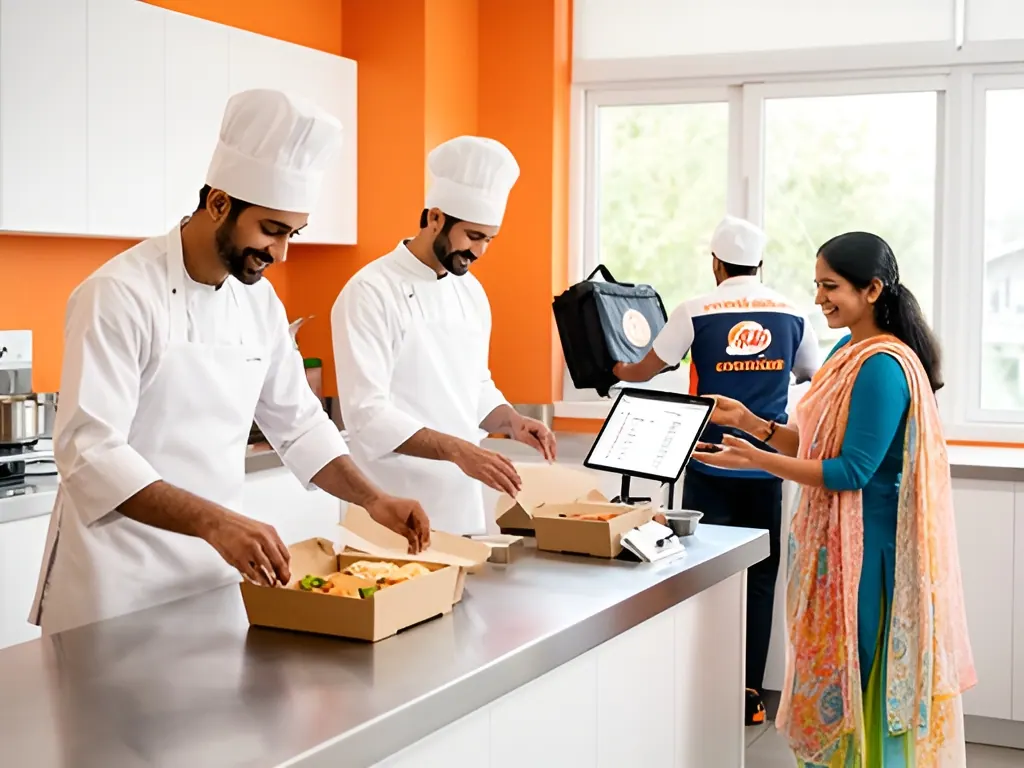
A compact Cloud kitchen costs about ₹5.5 lakh and a standard one about ₹7 lakh in our data (₹5–8 lakh in a tier-2 city per Petpooja). This is the riskiest idea in the band. Food platforms charge 16–30% commission, plus 18% GST on the commission and payment fees, which works out to an effective 28–40% of the menu price. When our research tested the published cost assumptions, they produced a small weekly loss rather than the profit commonly claimed. Our tier-2 benchmark for a standard kitchen is ₹15,000–41,000 a month, and that assumes good ratings and repeat orders.
If you try it, build direct orders on WhatsApp alongside the apps, keep the menu short to cut wastage, and price for the platform's cut from day one.
Budget gym
A budget neighbourhood Gym costs about ₹8 lakh in our data for equipment, flooring, mirrors and the deposit. In a small town, our benchmark is ₹34,500–52,000 a month. Joining spikes in January and before summer and the wedding season, many new members drop off within a few months, and joins dip during the monsoon, Navratri and exams. Equipment maintenance and a trainer's salary are fixed costs whether members show up or not.
Optical shop
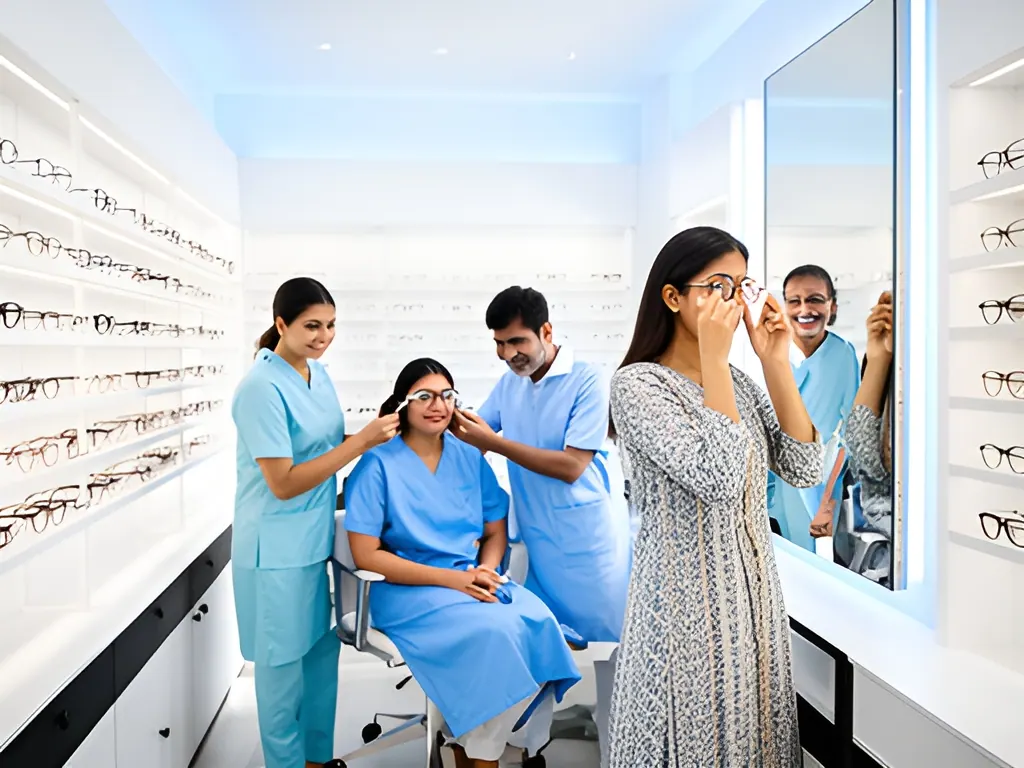
An Optical shop shop with a test room costs about ₹7.5 lakh in our data; independent shops run ₹5–15 lakh. With an optometrist and a good location, our tier-2 benchmark is wide, ₹86,500–2.8 lakh a month (an estimate), because frame and lens margins are high. Spectacles moved to 5% GST in September 2025. MD-42 registration for prescription spectacles and contact lenses can take 30–60 days after inspection.
Fast-food joint or dhaba
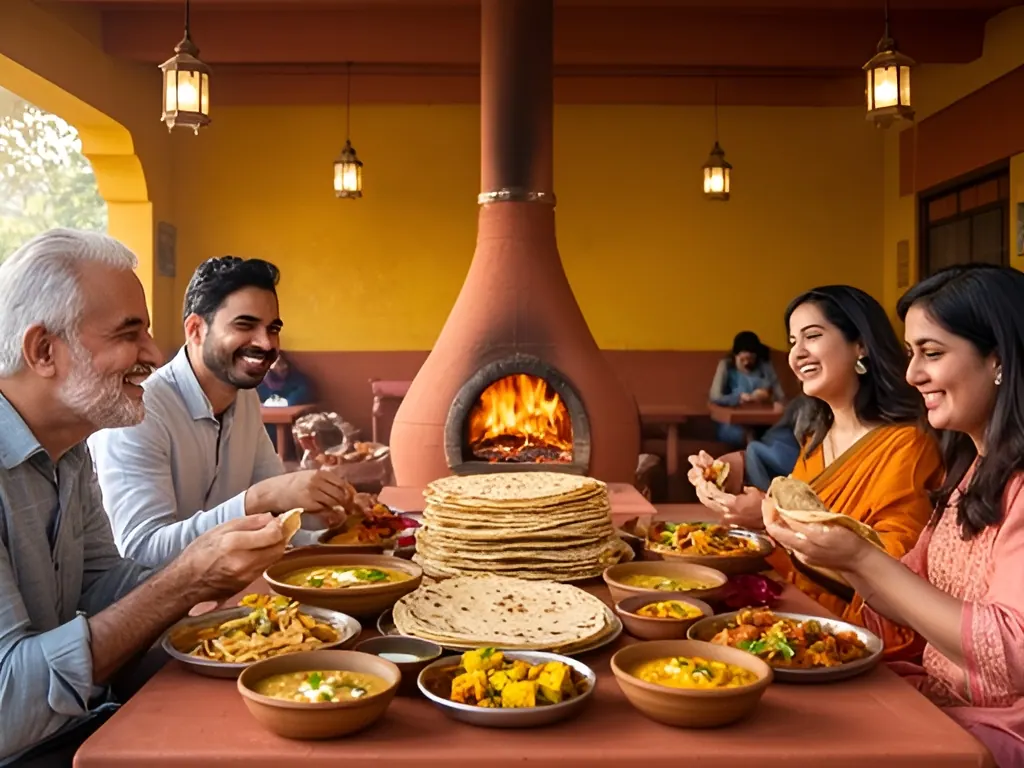
A semi-permanent Dhaba or fast-food restaurant or a 15–30 seat fast-food joint costs about ₹8 lakh in our data (₹5–15 lakh depending on tier and fit-out). Our tier-2 benchmark is ₹86,500–1.3 lakh a month. Seating size drives licence fees, and many dhabas run 18–24 hours. Commercial LPG at ₹2,810 a cylinder in Delhi from October 2026 is a big monthly cost, and a supply shortage in March 2026 temporarily shut about 20% of Mumbai eateries (The Week).
Hardware, food truck, café kiosk, poultry
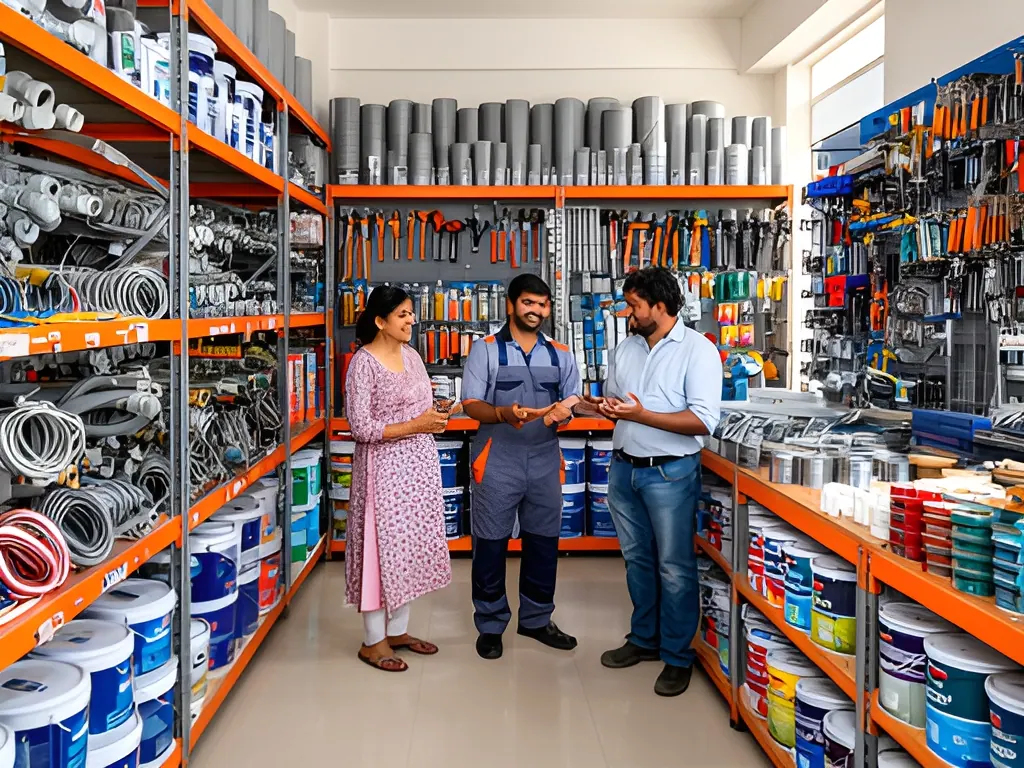
- Hardware and paint: a small hardware and electrical counter is about ₹4 lakh, a paint dealer with tinting about ₹5.5 lakh, and a combined hardware, sanitary, electrical and paint shop about ₹10 lakh. Profit swings with the construction season and contractor credit. See the Hardware and paint shop guide.
- Used food truck: about ₹5 lakh; our small-town benchmark is ₹34,500–52,000 a month, with permits and parking the main headaches.
- Coffee kiosk: about ₹5 lakh; a small café is ₹12 lakh, beyond this budget.
- Poultry shed for 1,000 birds: about ₹5 lakh, but our small-town benchmark is only ₹3,000–8,000 a month. Profit in poultry needs scale (5,000+ birds) and much more capital.
How to choose a ₹10 lakh business
Location
At this level, rent is a monthly bill of tens of thousands. Healthy rent is under 4% of sales for a kirana, about 10% for a salon and 10–15% for a bakery; above 25% is a danger zone. Match the business to the street: a chemist near clinics, an optical shop in a main market, a sweet shop on a busy road with parking.
Skill
Sweet shops, optical shops and gyms need specialist skill (a halwai, an optometrist, a trainer). If that person is not you, your business depends on an employee who can leave. Hardware and clothing depend on buying well and controlling credit.
Time
These are full-time businesses with staff to manage. Expect 10–14 hours a day at first. Absentee owners usually earn far less than the benchmarks.
Risk
Ask what you lose if you have to close after a year. Fit-out and deposits are partly recoverable; dead stock and franchise fees are not. Prefer formats where equipment can be resold.
Loans for a ₹10 lakh business
- Mudra Tarun: ₹5–10 lakh, collateral-free; Tarun Plus goes to ₹20 lakh for borrowers who repaid a Tarun loan. Kishor covers up to ₹5 lakh if you start smaller. Interest is roughly 9–14% a year depending on the bank (estimate). See our Mudra loan guide.
- PMEGP: a 15–35% subsidy on project cost for new manufacturing and service units, higher in rural areas and for special categories.
- Stand-Up India: ₹10 lakh–1 crore for SC/ST and women entrepreneurs.
- Gold loan: quick, but LTV caps (85% up to ₹2.5 lakh, lower above) and the risk to your gold make it a bridge, not a plan.
PM SVANidhi is for street vendors (₹15,000, ₹25,000, ₹50,000) and does not fit this budget, but it is a useful first step if you are growing from a cart (News on AIR).
Licences
- Shop & Establishment registration and municipal trade licence.
- FSSAI basic registration (₹100 a year up to ₹1.5 crore turnover from 1 April 2026) for food businesses, state licence above that (FSSAI order).
- Drug licence for chemists; MD-42 for optical shops; fire NOC for kitchens in many cities.
- GST above ₹40 lakh turnover for goods and ₹20 lakh for services. At ₹10 lakh of investment, many shops will cross these, so plan for it.
- Labour codes in force since 21 November 2025: appointment letters and timely wages for all staff; ESI at 10+ employees, PF at 20+.
Common mistakes with a ₹10 lakh budget
- Buying a franchise you cannot afford to run. The fee is the start; royalty, fixed fit-out and rent at a premium spot follow.
- Assuming more investment means more profit. A ₹6 lakh chemist can earn less than a ₹2.5 lakh beauty parlour.
- Spending everything on setup. Fixed costs of ₹1–2 lakh a month need a reserve.
- Ignoring platform and payment costs. For a cloud kitchen, the effective 28–40% take decides everything.
- Hiring before demand. Start lean; add staff when queues appear.
- Not tracking the numbers weekly. Sales, gross margin, wastage and cash in hand each week tell you early when something is wrong.
Try before you invest
₹10 lakh is often borrowed money with an EMI attached. Before you sign a lease or a franchise agreement, run the business for free in the BizGame simulator: pick a city tier, location and format, set prices, staff and stock, and see how a realistic week plays out with festivals, rain and cost spikes. It is a learning game, not a way to earn money, but a few rounds will show you where the money in that business really goes.
Try it free in the simulator: Cloud kitchen
Run a realistic week of this business in 5 minutes before you invest a rupee.
Try it free in the simulator →