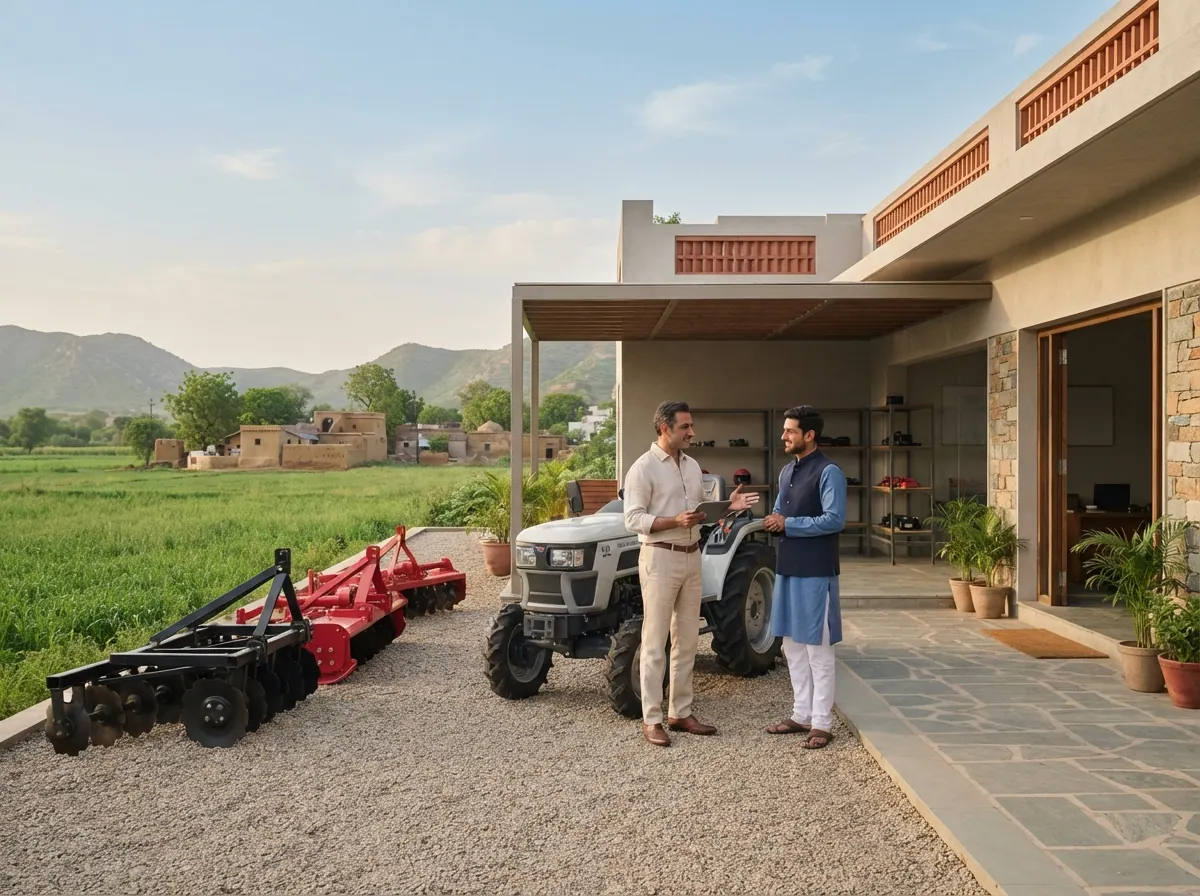
ट्रैक्टर किराये के बिज़नेस में आपके पास ट्रैक्टर और औज़ार होते हैं, और किसान जुताई, समतल, बुआई और ढुलाई के लिए घंटे या एकड़ के हिसाब से पैसे देते हैं। इसमें पुराने ट्रैक्टर और रोटावेटर के साथ करीब ₹5 लाख से, और नए 45–50 HP ट्रैक्टर व पूरे सेट के साथ करीब ₹11–16 लाख लगते हैं। बड़ा कस्टम हायरिंग सेंटर ₹30 लाख तक जा सकता है। काम मौसमी है, पर किस्त मौसमी नहीं होती। पूरा बिज़नेस इस पर टिका है कि साल में कितने पैसे वाले घंटे भर पाते हैं।
यहां के सारे आंकड़े अंदाज़े हैं। पैसा लगाने से पहले अपने इलाके के दाम देख लें।
कितना खर्च आएगा?
| चीज़ | अंदाज़ा |
|---|---|
| नया ट्रैक्टर, 45–50 HP (शोरूम भाव) | ₹6.4–8.5 लाख |
| रोटावेटर | ₹1–1.25 लाख |
| कल्टीवेटर और हल | ₹40,000–70,000 |
| सीड ड्रिल | ₹50,000–75,000 |
| ट्रॉली | ₹1.5–2.5 लाख |
| शेड, औज़ार, स्पेयर पार्ट्स | ₹30,000–70,000 |
| रजिस्ट्रेशन, बीमा, कागज़ | ₹40,000–70,000 |
| पहले सीज़न का डीज़ल और मरम्मत का पैसा | ₹50,000–1 लाख |
| कुल | करीब ₹11–16 लाख |
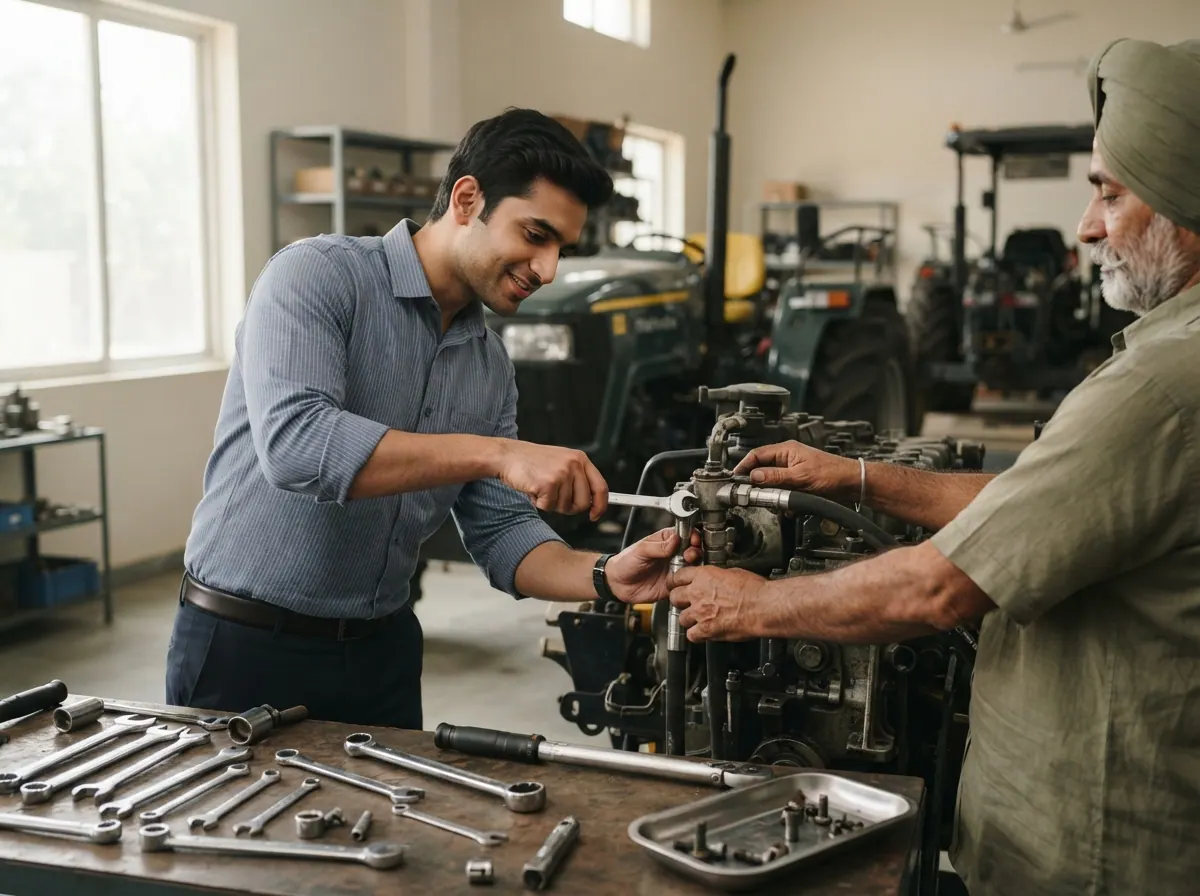
पुराने ट्रैक्टर काफ़ी सस्ते मिलते हैं, पर सर्विस का रिकॉर्ड मांगें। hour meter देखें, और तेल के रिसाव व इंजन के धुएं की जांच के लिए अपना मिस्त्री साथ ले जाएं। औज़ार इस हिसाब से चुनें कि आसपास क्या उगता है। गेहूं-धान, गन्ना और कपास वाले इलाकों में अलग-अलग मशीनें चाहिए।
कितनी कमाई हो सकती है?
ट्रैक्टर का काम बराबर नहीं बंटा होता, इसलिए व्यस्त और खाली महीने अलग देखें। मान लें ₹10 लाख के loan की करीब ₹22,000 किस्त है, और ₹1,100 प्रति घंटा रेट, डीज़ल करीब 4.5 लीटर प्रति घंटा × ₹95 = ₹428 प्रति घंटा। रेट जगह के हिसाब से अलग होते हैं। हिमाचल के एक ज़िले ने दिसंबर 2025 में ₹1,200 प्रति घंटा तय किया था, और मैदानी इलाकों में रेट शायद कम हैं, इसलिए पास के मालिकों से पूछ लें। अध्ययनों में ट्रैक्टर का कुल इस्तेमाल साल में करीब 500–1,080 घंटे मिला है, और उसका बड़ा हिस्सा अक्सर मालिक के अपने खेत का होता है। इस उदाहरण में करीब 810 पैसे वाले घंटे लिए हैं।
व्यस्त महीना (120 घंटे)
- कमाई: 120 × ₹1,100 = ₹1,32,000
- डीज़ल: 120 × ₹428 = ₹51,360
- मरम्मत और घिसाई: 120 × ₹100 = ₹12,000
- ड्राइवर = ₹16,000
- किस्त = ₹22,000
- बीमा और छोटे खर्च = ₹3,000
- कुल खर्च = ₹1,04,360
- बचा: ₹1,32,000 − ₹1,04,360 = ₹27,640
खाली महीना (30 घंटे)
- कमाई: 30 × ₹1,100 = ₹33,000
- डीज़ल ₹12,840 + मरम्मत ₹3,000 + ड्राइवर ₹16,000 + किस्त ₹22,000 + छोटे खर्च ₹3,000 = ₹56,840
- बचा: ₹33,000 − ₹56,840 = −₹23,840
पूरा साल (5 व्यस्त, 7 खाली महीने)
- 5 × ₹27,640 = ₹1,38,200
- 7 × −₹23,840 = −₹1,66,880
- कुल: साल के करीब −₹28,700
किराये के ड्राइवर के साथ यह घाटे में जाता है। अब देखिए क्या बदलता है। अगर खुद चलाएं तो ड्राइवर के ₹16,000 × 12 = ₹1,92,000 बचते हैं, यानी साल के करीब ₹1.6 लाख या महीने के करीब ₹13,600। किस्त का एक हिस्सा मशीन की मालिकी भी बनाता है, और loan खत्म होने पर नकदी काफ़ी बेहतर होती है। सबसे ज़्यादा खाली महीनों का काम मायने रखता है। हर अतिरिक्त घंटा डीज़ल और मरम्मत के बाद करीब ₹570 देता है।
शुरू करने से पहले क्या चाहिए?
- असली बुकिंग की सूची। खरीदने से पहले आसपास के 15–20 किसानों से बात करें। पूछें कि आज कितना देते हैं, कौन जोतता है, और क्या ट्रैक्टर समय पर मिलता है। अगर कोई इंतज़ार नहीं करता, तो शायद आपके इलाके में ट्रैक्टर काफ़ी हैं।
- फ़सल का कैलेंडर। बुआई का समय छोटा होता है, और बारिश के बाद के उन्हीं दो हफ़्तों में सबको ट्रैक्टर चाहिए। जानें कि उन दिनों असल में कितने एकड़ कर पाएंगे।
- ऐसा ड्राइवर जिस पर डीज़ल और किसान दोनों के मामले में भरोसा हो। ड्राइवर ही आपकी दुकान का काउंटर है।
- खराब सीज़न का पैसा। बारिश न हो तब भी बैंक किस्त मांगता है।
कदम दर कदम
- सबसे भारी औज़ार के हिसाब से HP चुनें। रोटावेटर को पूरी ताकत चाहिए, और छोटा ट्रैक्टर जल्दी घिसता है और ज़्यादा डीज़ल खाता है।
- दो डीलरों से दाम लें, और बाद की सर्विस की तुलना करें। महिंद्रा, स्वराज, सोनालिका, जॉन डियर और दूसरे ब्रांड अलग-अलग इलाकों में मज़बूत हैं। थोड़ी छूट से ज़्यादा ज़रूरी है पास का सर्विस सेंटर।
- loan चुकाने का तरीका चुनें। कई ट्रैक्टर loan फ़सल के हिसाब से छमाही चुकाए जा सकते हैं। इसे मासिक से मिलाकर देखें, और कुल ब्याज पढ़ें।
- भरोसेमंद hour meter लगाएं, और हर बुकिंग की पर्ची लिखें: किसान, खेत, घंटे, डीज़ल, मिला पैसा।
- रेट तय करें, स्थानीय रेट और अपने डीज़ल का खर्च देखकर। लिखकर सबको बता दें।
- खाली महीनों की योजना बनाएं, ऐसे काम से जिसकी इजाज़त है, जैसे खेत समतल करना, थ्रेशिंग और खेती की ढुलाई।
- मांग देखकर ही औज़ार बढ़ाएं। किसान अक्सर लेज़र लेवलर, थ्रेशर या सुपर सीडर पूछते हैं, पर खरीदने से पहले सोचें कि साल में कितने दिन चलेगा।
- घंटों के हिसाब से सर्विस कराएं, सीज़न के बीच में नहीं, उससे पहले।
कौन-से लाइसेंस और योजनाएं लागू हैं?
- RTO रजिस्ट्रेशन ट्रैक्टर और ट्रॉली का। कृषि और commercial इस्तेमाल के नियम अलग हैं, इसलिए RTO को साफ़ बताएं कि क्या काम करना है। कुछ राज्यों ने किराये पर माल ढोने वाली खेती-पंजीकृत ट्रॉलियों के खिलाफ़ अभियान शुरू किया है, और बिना पंजीकरण के commercial इस्तेमाल पर ₹1 लाख तक का जुर्माना बताया गया है।
- ड्राइविंग लाइसेंस ड्राइवर का, उस वाहन श्रेणी के लिए वैध।
- बीमा, कम से कम थर्ड पार्टी, और देख लें कि किराये के काम और औज़ारों पर लागू है या नहीं।
- कस्टम हायरिंग सेंटर की मदद। कृषि यंत्रीकरण उप-मिशन (SMAM) में कस्टम हायरिंग सेंटर और फ़ार्म मशीनरी बैंक को मदद मिली है, आमतौर पर राज्य के कृषि विभाग के ज़रिए। नियम और रकम बदलते रहते हैं, और कुछ योजनाएं समूहों को प्राथमिकता देती हैं या मशीनों की सूची मांगती हैं। ज़िला कृषि दफ़्तर से पक्का कर लें, और पूछने से पहले मशीन न खरीदें, क्योंकि कुछ योजनाओं में पहले आवेदन ज़रूरी हो सकता है।
- टैक्स। किराये की कमाई और loan के ब्याज का हिसाब CA से पूछें।
क्या-क्या गलत हो सकता है?
- फ़सल के बाद देने का उधार। ज़्यादातर किसान यही कहते हैं, फिर खराब फ़सल या घर की शादी पहले आ जाती है। आपके डीज़ल का पैसा पुराने उधार में अटक जाता है।
- सीज़न के बीच खराबी। बुआई के हफ़्ते में क्लच खराब हो तो बुकिंग लौटकर नहीं आती। किसान नहीं रुक सकते, क्योंकि उनका समय नहीं रुकता।
- दो किसान, एक दिन। पहले बुक कराने वाले को छोड़कर बड़ा काम पकड़ना गांव में भरोसा तोड़ता है, जहां सब एक-दूसरे से बात करते हैं।
- खेत में पत्थर। रोटावेटर के ब्लेड टूटते हैं, और मालिक व किसान में झगड़ा होता है कि पैसा कौन दे। काम से पहले ही तय कर लें।
- डीज़ल का गायब होना। पर्ची और घंटों के बिना आप नहीं जान पाएंगे कि इंजन ज़्यादा पी रहा है या हिसाब गलत है।
- सही कागज़ के बिना ढुलाई। ईंट या रेत का खाली मौसम का काम आसान लगता है, जब तक हादसा या चेकिंग न हो और बीमा कंपनी सवाल न करे।
- एक किसान के कहने पर महंगी मशीन लेना। दस महीने शेड में खड़ी मशीन का पैसा भी देना पड़ता है।
ये हालात आपके सामने आएँगे
आप क्या करेंगे? हर फ़ैसले की एक क़ीमत है।
शुरुआत
The 50 HP runs a rotavator all day and costs lakhs more. The 35 HP suits small plots but struggles on hard land.
- Buy the 50 HP: Bigger loan, heavier jobs
- Buy the 35 HP: Saves money, misses big work
A five-year-old tractor costs far less than new. The seller has no full service records, and the meter may not be honest.
- Buy new from the dealer: Big EMI, warranty and service
- Buy the used tractor: Saves money, breakdown risk
You can afford one main implement this season. Farmers here ask about rotavators, but many still use cultivators.
- Buy the rotavator: Costs more, higher hourly rate
- Buy cultivator and plough: Cheaper, plainer work
The agriculture office says a hiring-centre scheme may apply, and to ask before buying any machine. Sowing starts in six weeks.
- Apply and wait: Fees and delay, possible support
- Buy now without it: Full price, ready for sowing
You plan some paid hauling in the slack months. An agent says agricultural registration is enough, but the RTO office is not so sure.
- Register for commercial use: Costs more, hauling allowed
- Farm work only: Cheaper, no hauling income
The lender offers payments after each harvest. Your income comes in the same way, but the total interest is higher.
- Pay monthly: Tight in slack months, less interest
- Pay half-yearly: Breathing room, more interest
You could manage bookings and diesel while a driver works. A driver also has to be paid in the slack months.
- Hire a full-time driver: Monthly wage, more hours worked
- Drive it yourself: Saves wage, fewer bookings
पहला महीना
A well-known farmer wants rotavating now and promises money after the crop. Your diesel has to be paid for today.
- Agree to harvest credit: Diesel from your pocket, goodwill
- Ask for cash today: Money safe, farmer annoyed
Farmers want a per-acre rate they understand. Your hard, dry fields take much longer, and you lose on them.
- Charge per acre: Easy to sell, loses on hard land
- Fit a meter, charge hourly: Costs money, fair on hard land
A farmer's field had hidden stones and four blades are gone. The farmer says this is your cost.
- Charge the farmer: Recover money, a sour neighbour
- Absorb the cost: Lose money, keep their trust
Your hourly rate was fixed before the price went up. Other owners are waiting to see who moves first.
- Raise the hourly rate: Protects margin, some leave
- Hold the rate: Thin margin, farmers stay
Soil moisture is right for only a few days. A 20-acre farmer offers more money, but a small farmer booked first.
- Keep the first booking: Smaller job, keeps your word
- Take the bigger job: More money, village talks
Your driver's slips show far more diesel than the hours explain. It may be the engine, or it may be something else.
- Fit a tank lock and logs: Stops the loss, driver feels distrusted
- Give only a warning: Driver stays, losses may go on
रोज़ का काम
Everyone wants puddling for transplanting, and it pays well. Working in water wears out seals and bearings quickly.
- Take all the puddling: Big money, machine wears out
- Skip it this season: Lose the money, tractor rests
A kiln owner wants your trolley for two months. It covers your EMI, but the roads are rough and your papers need checking.
- Take the kiln work: EMI covered, more wear
- Stay with farm work: Less money, machine rested
Farmers keep asking at harvest time. You would use it only for a few weeks a year.
- Buy a thresher: Big spend, new harvest income
- Rent one in season: Lower cost, thinner margin
A laser leveller can earn well per hour, but few owners here have used one. It also needs training to run.
- Buy the leveller: Heavy cost, a rare service
- Partner with another owner: Share cost, share income
Your hour meter says service is due, but bookings are full this week. The dealer's workshop means losing a whole day.
- Service it now: Lose a day, tractor safe
- Push it past peak: Keep working, engine at risk
Someone with a new tractor in the next village is charging ₹100 less an hour. Two of your regulars called to ask.
- Match the rate: Thinner margin, regulars stay
- Hold, promise on-time work: Better margin, lose some jobs
A farmer producer group offers bookings for 200 acres at a lower rate. You get steady work, but less for the same hours.
- Sign with the group: Steady work, lower rate
- Keep your own customers: Better rate, uncertain hours
Wheat has to be sown soon after the paddy harvest, and farmers are asking for a super seeder. It costs a lot for one busy month.
- Buy a super seeder: Big spend, busy month paid
- Keep your present machines: Saves money, misses this work
Grip is poor in wet fields and season is near. New tyres cost a lot, and these might last one more season.
- Buy new tyres: Big bill, lasts for years
- Run them one more season: Saves now, may fail mid-season
जब मुश्किल आए
Your loaded trolley brushed a bike at dusk and the rider is hurt. The family wants money and the police are involved.
- Claim through insurance: Slow, paperwork, record clean
- Settle privately in cash: Faster, no official record
Six farmers are booked and the rain window is closing. The nearest mechanic wants double to come today.
- Pay for the urgent repair: Costly, keep your bookings
- Pass bookings to another owner: Cheaper repair, lose those jobs
A farmer owes ₹14,000 from sowing and has sold the crop. They keep saying next week.
- Ask the panchayat to help: Full money, some bad blood
- Accept half for now: Part money, peace kept
Fields are too wet for a week and your EMI is due on Friday. The driver still has to be paid.
- Borrow to pay the EMI: Interest cost, record stays clean
- Pay the EMI late: Keeps cash, late charges
You just found out the driver's licence ended months ago. Tomorrow's bookings are full, and an accident now could be a disaster.
- Stop till it is renewed: Lose bookings, papers right
- Keep working for now: Keep the income, heavy risk
बढ़ाना
You turned away work last season. A second tractor needs another driver, while more implements earn more from one machine.
- Buy a second tractor: New EMI, more jobs at once
- Add more implements: Smaller spend, one machine limit
Calls come in all day while you drive. A helper with a WhatsApp group could plan routes and cut the empty running between fields.
- Pay a booking helper: Monthly cost, better routes
- Keep taking the calls: Saves money, missed bookings
Five farmers want to pool money with you for a bigger hiring centre. You would have more machines but less control.
- Join the shared centre: Share cost, share decisions
- Stay on your own: Full control, slower growth
क्या यह आपके लिए सही है?
यह अच्छा चलता है अगर आप खुद खेती करते हैं या किसान परिवार से हैं, आसपास के गांव जानते हैं, ट्रैक्टर चला सकते हैं और छोटी मरम्मत कर सकते हैं, और छोटे सीज़न में लंबे दिन झेल सकते हैं। बहुत मदद मिलती है अगर आपको पहले से पता हो कि कौन समय पर पैसे देता है।
अगर आप दूर रहकर सब ड्राइवर पर छोड़ना चाहते हैं, खासकर जहां पहले से बहुत मालिक हों, तो यह कम ठीक है। खरीदने से पहले एक बुआई का सीज़न किसी चलते मालिक के साथ घूमें और उसके घंटे लिखें। वह एक कॉपी डीलर के किसी भी ब्रोशर से ज़्यादा बताएगी।