भारत में ई-रिक्शा बिज़नेस शुरू करने के लिए आपको एक रजिस्टर्ड और बीमा वाली गाड़ी, रात में चार्ज करने की सुरक्षित जगह, ऐसा रूट जहाँ सवारी लगातार मिले, और लगभग ₹1.2–2.5 लाख चाहिए। ई-रिक्शा छोटी दूरी की शेयर सवारी ढोकर कमाता है, और इसका सबसे बड़ा छुपा खर्च बैटरी है, जो घिसती है और बदलनी पड़ती है।
यहाँ दिए सारे आँकड़े अंदाज़े हैं। पैसा लगाने से पहले अपने इलाके में भाव पूछ लें।
खर्च कितना आता है?
| मद | बेसिक मॉडल | बेहतर मॉडल |
|---|---|---|
| ई-रिक्शा (एक्स-शोरूम) | ₹90,000–1.5 लाख | ₹1.5–2 लाख |
| रजिस्ट्रेशन, रोड टैक्स, नंबर प्लेट | ₹8,000–20,000 | ₹10,000–25,000 |
| पहले साल का बीमा | ₹5,000–10,000 | ₹6,000–12,000 |
| चार्जर, वायरिंग, मीटर या सुरक्षित प्लग पॉइंट | ₹4,000–10,000 | ₹5,000–12,000 |
| टायर और पहली सर्विस का रिज़र्व | ₹5,000–10,000 | ₹8,000–15,000 |
| लाइसेंस और कागज़ | ₹2,000–5,000 | ₹2,000–5,000 |
| कुल | लगभग ₹1.2–1.9 लाख | लगभग ₹1.8–2.5 लाख |
सस्ते मॉडल में अक्सर लेड-एसिड बैटरी और हल्के पुर्ज़े होते हैं। बेहतर मॉडल में मज़बूत बॉडी और लंबी बैटरी वारंटी हो सकती है। बैटरी का प्रकार, वारंटी और डीलर के हिसाब से एक चार्ज में कितने किलोमीटर चलती है, यह पूछें, और फिर पूरी सवारी भरकर खुद चलाकर देखें।
कौन सा मॉडल लें?
अपनी सड़क और सर्विस की सुविधा देखकर चुनें:
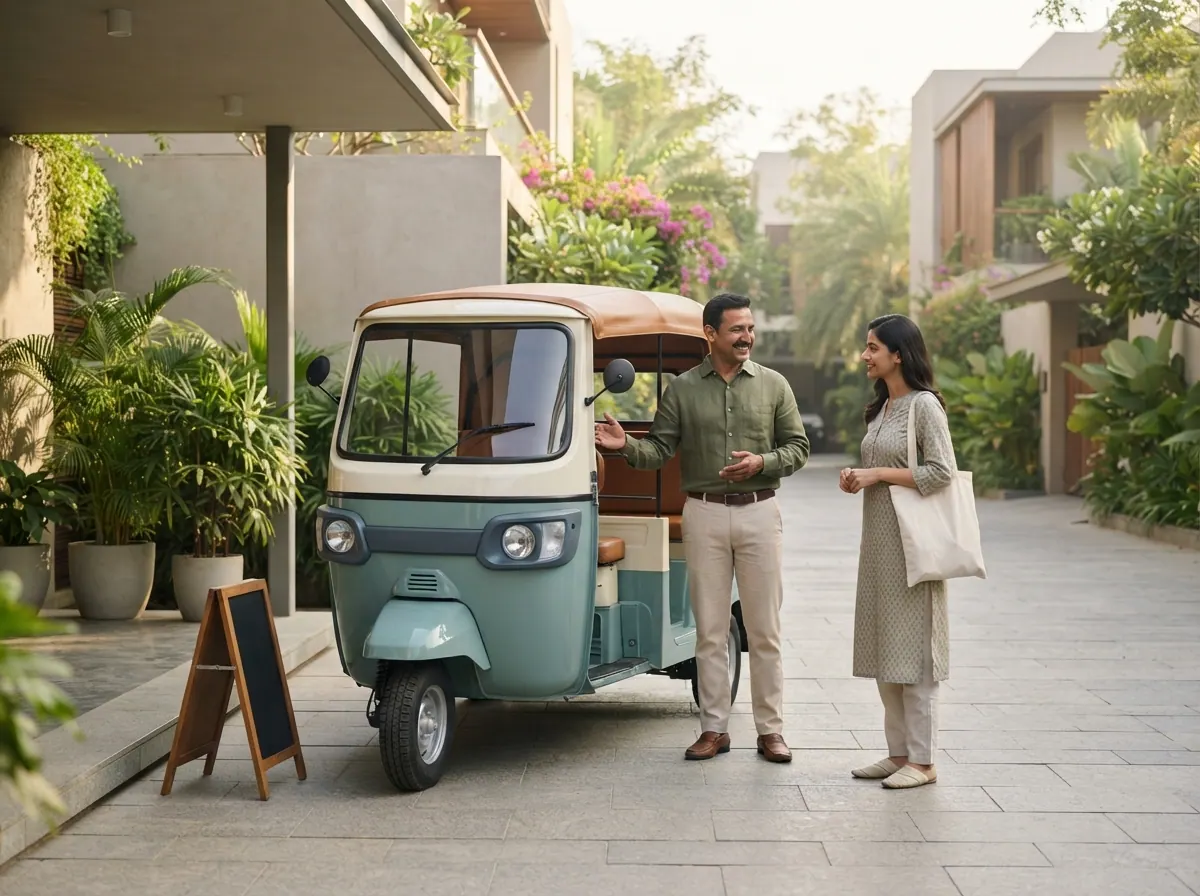
- पैसेंजर मॉडल: आम शेयर सवारी, ड्राइवर के पीछे लगभग चार सवारी की सीट। सीट की चौड़ाई और सस्पेंशन जाँचें।
- कार्गो ई-रिक्शा: बाज़ार में छोटा माल ढोने वाला लोडर। कमाई ट्रिप के हिसाब से होती है, और दुकानदारों से अक्सर पैसा ज़्यादा नियमित मिलता है।
- लेड-एसिड या लिथियम बैटरी: लेड-एसिड सस्ती पर जल्दी घिसती है, लिथियम महँगी पर ज़्यादा चल सकती है। सिर्फ़ गाड़ी का नहीं, बैटरी बदलने का दाम भी पूछें।
- पास में सर्विस सेंटर: जिस कंपनी का मैकेनिक आपके पास हो वह उस सस्ती कंपनी से बेहतर है जिसके पुर्ज़े आसपास नहीं मिलते।
कमाई कितनी हो सकती है?
एक ऐसे ड्राइवर का उदाहरण लें जो भीड़ वाले शेयर रूट पर अपनी गाड़ी चलाता है और महीने में लगभग 26 दिन काम करता है।
रोज़ की कमाई
- सड़क पर लगभग 12 घंटे, 30 फेरे
- 30 फेरे × लगभग ₹10 प्रति सवारी × औसत 3 सवारी = ₹900
- कुछ फेरे खाली सीटों के साथ जाते हैं, इसलिए ₹900 नहीं, लगभग ₹800 रोज़ गिनें
- ₹800 रोज़ × 26 दिन = ₹20,800 महीना
हर महीने का खर्च
- चार्जिंग की बिजली, लगभग ₹100 रोज़ × 26 = ₹2,600
- बैटरी की बचत: ₹40,000 की बैटरी 20 महीने चले तो = ₹2,000 महीना
- टायर, ब्रेक, मरम्मत = ₹1,500
- पार्किंग, पुलिस या यूनियन का खर्च, अगर हो = ₹1,000
- बीमा और कागज़, बाँटकर = ₹800
- कुल = ₹7,900
बचत: ₹20,800 − ₹7,900 = लगभग ₹12,900 महीना।
यह आपकी लोन की किस्त से पहले की बचत है। ₹1.5 लाख का लोन तीन साल में चुकाएँ तो किस्त लगभग ₹5,000 महीना हो सकती है, और बचता है करीब ₹7,900। सुस्त रूट पर कमाई तेज़ी से गिरती है, और बारिश, हड़ताल या खराबी का हर दिन बिना कमाई का दिन है।
शुरू करने से पहले क्या चाहिए?
- ऐसा रूट जिसे आप जानते हों। दो-तीन दिन स्टैंड पर खड़े होकर गिनें कि कितनी सवारी इंतज़ार करती हैं और कितने ई-रिक्शा उनके साथ खड़े हैं।
- चार्जिंग की सुरक्षित जगह। रात भर चार्ज करने के लिए सही प्लग और वायरिंग चाहिए, और बेहतर है कि बिस्तर या दुकान के माल से दूर हो। खराब प्लग पॉइंट आग का ख़तरा है।
- ड्राइविंग लाइसेंस और साफ़ रिकॉर्ड। सवारी और पुलिस नियम तोड़ने वाले ड्राइवर को याद रखते हैं।
- बैटरी के लिए पैसा। पहले दिन से बैटरी फंड रखें, चाहे रोज़ थोड़ा ही हो।
कदम दर कदम
- एक हफ़्ता अपने रूट पर बिताएँ और भीड़ का समय, किराया और पहले से कितने ई-रिक्शा हैं, यह नोट करें।
- दो-तीन डीलर से मिलें। ऑन-रोड दाम, बैटरी का प्रकार, वारंटी और सर्विस कहाँ होती है, पूछें।
- गाड़ी को पूरी सवारी के साथ चलाकर देखें, खासकर ढलान पर, क्योंकि कमज़ोर मोटर सवारी और पुल पर हाँफती है।
- सही डीलर से खरीदें, जिसमें इनवॉइस, रजिस्ट्रेशन और बीमा लिखित में शामिल हो।
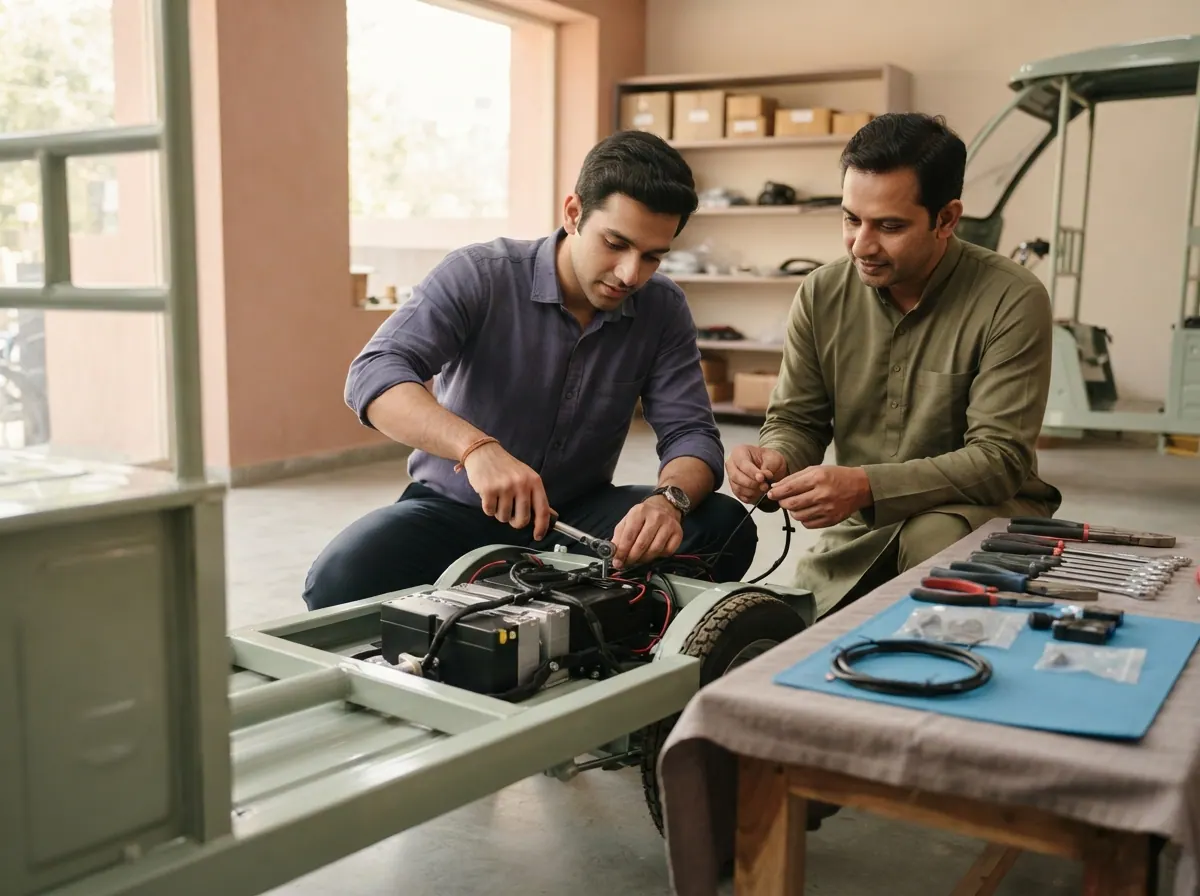
- चार्जिंग का इंतज़ाम किसी जानकार इलेक्ट्रीशियन से करवाएँ: सही प्लग, सही मोटाई का तार और स्विच।
- चलाएँ और रोज़ का हिसाब लिखें: कमाई, बिजली की यूनिट और मरम्मत। इससे पता चलेगा कि अच्छा दिन कैसा होता है।
- रोज़ थोड़ा पैसा अलग रखें बैटरी और अगली सर्विस के लिए।
कौन से लाइसेंस लगते हैं?
नियम राज्य और शहर के हिसाब से बदलते हैं:
- गाड़ी का रजिस्ट्रेशन और बीमा ज़रूरी है। थर्ड पार्टी बीमा बुनियादी ज़रूरत है।
- ड्राइविंग लाइसेंस सही श्रेणी का। अपने RTO से पूछें कि ई-रिक्शा के लिए क्या लगता है।
- रूट और स्टैंड। कुछ शहरों में ई-रिक्शा कुछ सड़कों या ज़ोन तक सीमित हैं। खरीदने से पहले ट्रैफ़िक ऑफिस या यूनियन से पूछें।
- सब्सिडी या लोन। कुछ राज्यों ने इलेक्ट्रिक वाहनों के लिए मदद दी है, और बैंक और फाइनेंस कंपनियाँ वाहन लोन देती हैं। ऑफर बदलते रहते हैं, इसलिए डीलर और राज्य के परिवहन ऑफिस से पुष्टि करें। लोन की शर्तें ध्यान से पढ़ें।
- टैक्स। कमाई पर इनकम टैक्स भरना है या नहीं, यह CA से पूछें।
क्या गलत हो सकता है?
- सस्ती बैटरी, छोटी उम्र। गाड़ी सस्ती लगती है, फिर बैटरी जल्दी मर जाती है और उसकी कीमत गाड़ी के दाम का बड़ा हिस्सा होती है।
- ओवरलोडिंग। सीट से ज़्यादा सवारी मोटर और ब्रेक पर ज़ोर डालती हैं, और चालान का ख़तरा भी रहता है।
- खराब प्लग पर चार्जिंग। ढीली वायरिंग गरम होती है। टूटे बोर्ड पर चार्ज न करें, और जलने वाली चीज़ों के पास अकेला न छोड़ें।
- ई-रिक्शा से भरा रूट। बहुत गाड़ियाँ, कम सवारी, और आप घंटों इंतज़ार करते हैं।
- सर्विस छोड़ देना। ब्रेक और मोटर की छोटी दिक्कतें बड़ा बिल बन जाती हैं।
- बिना योजना के किराये पर देना। किराये का ड्राइवर बैटरी ज़्यादा खींच सकता है, चार्जिंग छोड़ सकता है या पैसे देर से दे सकता है।
ये हालात आपके सामने आएँगे
आप क्या करेंगे? हर फ़ैसले की एक क़ीमत है।
शुरुआत
Lithium costs ₹30,000 more upfront. Lead-acid is cheaper but wears faster.
- Pay for lithium: Costly now, longer life
- Take lead-acid: Cheaper, earlier replacement
A used e-rickshaw is ₹45,000 cheaper, but its battery age is unclear.
- Buy new at showroom: Costly, full warranty
- Buy the used one: Saves money, battery risk
The dealer's test drive was empty. Your road has a slope and a bridge.
- Test with four people: Costs an hour, true picture
- Trust the dealer: Quick, risk of weak motor
The old plug at home looks loose. An electrician offers a proper charging point for ₹5,000.
- Get the proper point: Pay now, safer charging
- Use a shop's connection: Monthly fee, less control
A finance company offers an easy loan. The instalment is about ₹5,000 a month and interest adds up.
- Take the loan: Smaller upfront, monthly burden
- Use your savings: Drains savings, no instalment
Third-party cover is cheaper. Full cover costs ₹4,000 more but covers your own vehicle too.
- Take full insurance: Costly, covers your vehicle
- Take basic cover: Cheaper, damage is on you
पहला महीना
The stand has a queue and a union fee. Roaming gives no queue but you burn charge looking for fares.
- Join the stand: Pay fee, steady queue
- Roam the lanes: No fee, more battery use
Three parents want a fixed morning ride at ₹1,800 a month each. It means the same time daily.
- Take the monthly rides: Steady income, fixed hours
- Stay on open fares: Flexible, uneven income
At the market chowk seven people crowd round and want to go together. Your seats take four.
- Take four, others wait: Safe, some walk off
- Do two quick trips: More fares, uses more charge
Many passengers pay with ₹500 notes and you run out of change before noon.
- Use a UPI QR code: Small setup, smooth fares
- Ask for exact change: No cost, lose some fares
The road ahead is under water. Carrying on risks the motor and the battery box.
- Park and wait: Lose the day's earning
- Take a longer dry route: More battery, some earning
Passengers complain about torn seat covers. New covers cost ₹3,000.
- Replace the covers: Costs money, better rides
- Patch with tape: Cheap, looks poor
रोज़ का काम
A passenger insists the fare is half of what you ask, for a long ride with luggage.
- Explain and settle midway: Lose a little, keep goodwill
- Insist on full fare: Full money, passenger upset
The mechanic says the brake pads are worn. Branded pads cost ₹2,000, local ones ₹1,000. Either takes half a day.
- Fit branded pads: Costs more, lasts longer
- Fit local pads: Cheaper, wear out sooner
A market shopkeeper offers ₹600 a day to carry goods in the morning, instead of passengers.
- Take the goods trips: Steady pay, rough on seats
- Keep to passengers: Cleaner vehicle, uneven pay
Your cousin wants to drive in the evening for ₹300 a day rent. Your battery would be used more.
- Rent it out: Daily income, wear and risk
- Say no: Vehicle stays in your hands
You entered a road closed to e-rickshaws, following another driver. The fine is ₹1,000.
- Pay the fine and take a receipt: Costly, clean record
- Argue and lose the day: Fine still applies, time lost
For a week, thousands visit the temple. Fares double but roads jam and the charge runs fast.
- Work long festival hours: More money, tiring
- Work normal hours: Rest, lose some earning
A shop sells a fast charger for ₹8,000 that cuts charging time but may stress the battery.
- Buy the fast charger: More trips, battery wears faster
- Keep slow charging: Longer life, fewer trips
Both rear tyres are bald. New tyres cost ₹5,000, retreads cost half.
- Buy new tyres: Costly, safe grip
- Use retreaded tyres: Cheaper, wears sooner
A passenger offers double fare to go to the far edge of town at 10 pm on a dark road.
- Take the late fare: Good money, tiring and risky
- Go home and charge: Lose the fare, rested
जब मुश्किल आए
The vehicle stops. The service centre says the controller needs replacement for ₹6,500 and three days.
- Use the authorised centre: Costly, proper part
- Use a roadside mechanic: Cheaper, unknown part
After eighteen months the battery runs out by afternoon. A new one costs ₹40,000, a repair of cells costs ₹15,000.
- Buy a new battery: Costly, full day again
- Repair the old one: Cheaper, short life
The queue now takes hours. Your daily fares fall sharply.
- Move to a new route: Learn the road, lose some time
- Stay and wait it out: Familiar, low income
A week of rain and a breakdown left you ₹5,000 short. The lender asks you to pay.
- Ask for a few days: Late fee, relationship kept
- Borrow from a moneylender: Pays now, heavy interest
A rider hits your side. Nobody is hurt but the body is dented and the rider wants money.
- Settle with insurance papers: Slow, costs your time
- Pay the rider on the spot: Quick, costs more
A neighbour's battery was taken from their parked e-rickshaw. You park yours on the street at night.
- Rent a secure parking spot: Monthly cost, peace of mind
- Add a lock and chain: One-time cost, some risk
बढ़ाना
You have saved a down payment. A second vehicle needs a trusted driver and its own charging.
- Buy and hire a driver: More income, more worry
- Keep one and save: Safe, slower growth
Shopkeepers need morning goods trips. A cargo model costs ₹1.4 lakh and has fewer rivals.
- Buy the cargo model: Steady loads, big spend
- Stay with passengers: Familiar, crowded market
A housing colony wants a daily ride service to the market at fixed rates for a year.
- Sign the contract: Steady income, lower fares
- Keep open fares: Higher fares, uneven days
क्या यह आपके लिए सही है?
यह बिज़नेस आपके लिए ठीक है अगर आप अपने शहर की सड़कें जानते हैं, बाहर लंबे घंटे बिताने में सहज हैं और रोज़ कमाने का कम लागत वाला रास्ता चाहते हैं। अगर आपको शुरू में ही ऊँची आमदनी चाहिए तो यह कम जँचेगा, क्योंकि कमाई का ज़्यादातर हिस्सा लोन की किस्त, चार्जिंग और बैटरी की बचत में चला जाता है।
एक अच्छी जाँच: खरीदने से पहले कुछ दिन अलग-अलग समय पर अपने रूट पर सवारी बनकर चलें और किराये गिनें। एक गाड़ी का हिसाब न बैठे तो दो गाड़ियों का भी नहीं बैठेगा।