The best Diwali business ideas are the ones where festival demand multiplies: sweets and dry-fruit boxes, clothes and footwear, salon and mehendi services, gifts and stationery, and catering for the wedding season that follows. Diwali alone is reported as roughly a third of a sweet maker's annual sales, and the Durga Puja–Diwali window brings 30–40% of a clothing shop's year. If you are starting fresh, a 3–6 week temporary stall (decor, hampers, mehendi) is lower-risk than opening a shop just for the season.
But festival money is not free money. Shops that over-stock, run out of cash before Dhanteras or skip hygiene before the food-safety raids lose more than they gain. This guide covers what really spikes, how to stock, and how to keep cash flowing.
Which businesses see the biggest festival spikes?
The numbers below come from our research notes. Most multipliers are estimates, and where a source exists we link it.
Sweet shops: Diwali is the year
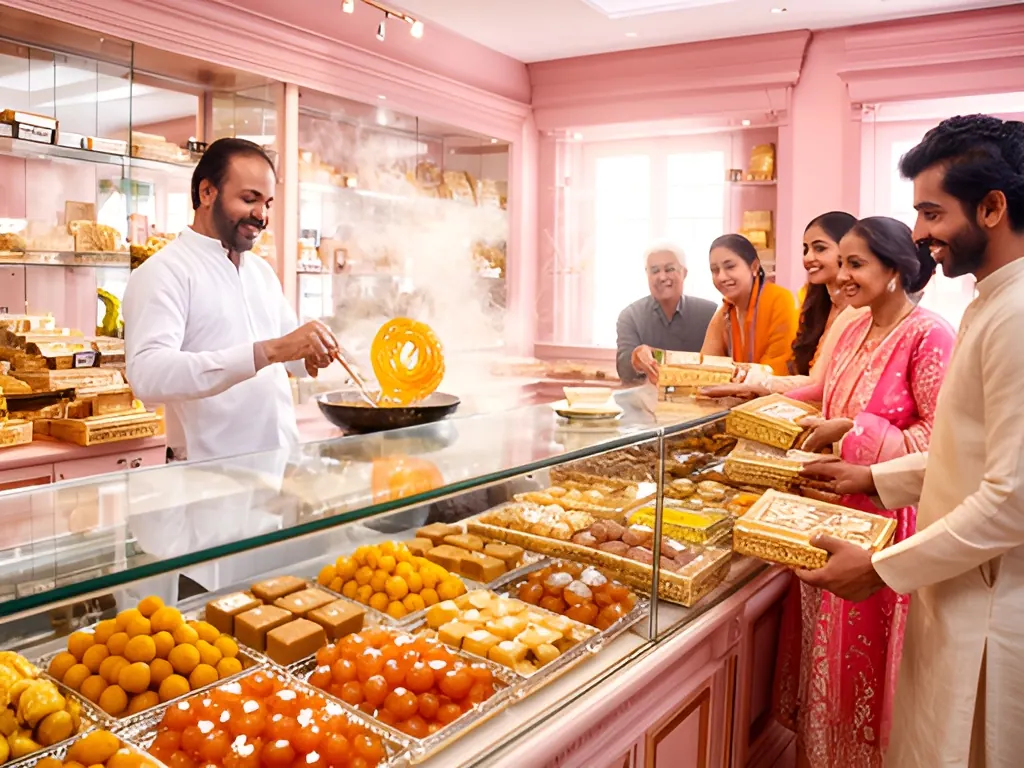
Diwali can be "nearly a third of a sweet maker's annual sales" (FoodNavigator, Oct 2025). One trade guide puts the Diwali season at 30–40% of annual revenue (DineOpen). Spread over 3–4 weeks, that makes the peak week about 6–8 times a normal week, with Dhanteras, Choti Diwali and Diwali day possibly 10 times or more (estimate).
What drives it:
- Gift boxes at ₹200, ₹500, ₹1,000 and ₹2,000+.
- Corporate orders, with 10–15% off above 50 boxes, which can add ₹2–5 lakh for a shop in the Diwali window.
- Pre-orders. Customers who order two weeks early get 5–10% off. WhatsApp brings in 20–30% of festive orders, and over 60% of customers search Google before visiting.
The bottleneck is usually the halwai, not demand. Output may need to go up 3–6 times for 2–3 weeks, and temporary halwais charge 1.5–2 times their normal daily rate (estimates). Read the Sweet shop guide for the full picture.
Clothing and footwear: Navratri to the weddings
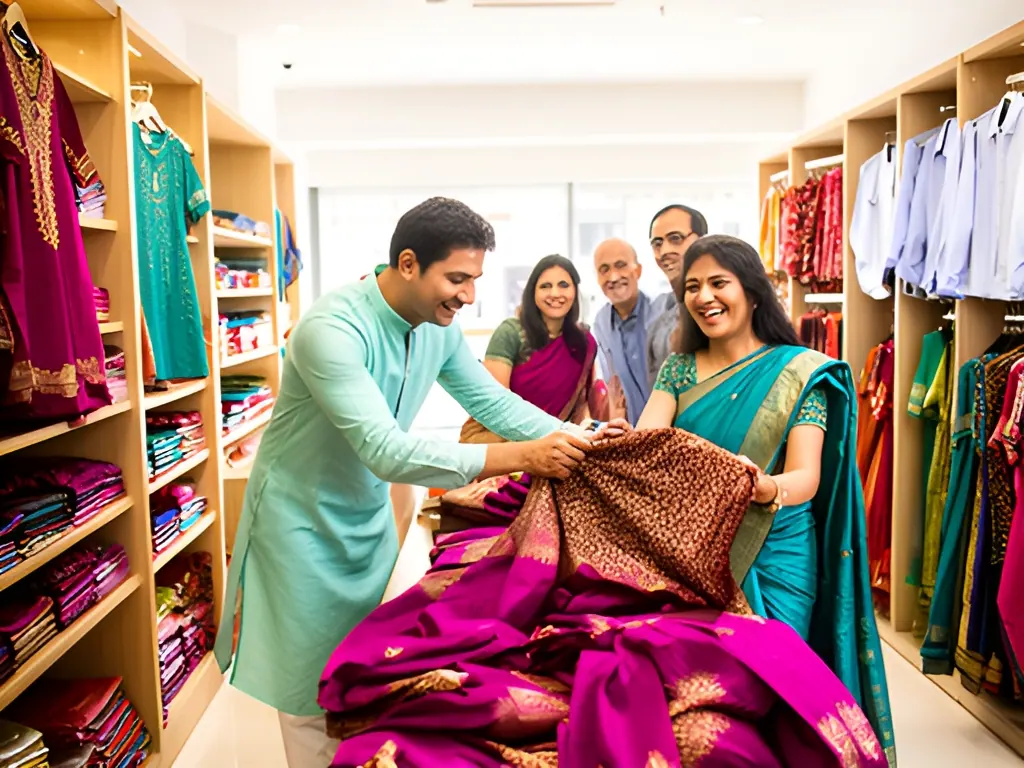
For apparel retail, the Durga Puja–Diwali window was 30–40% of annual sales (FashionUnited, 2018). Garments are about 12% of Diwali spending, the second-largest category (Retail Insight Network/CAIT). Our estimate for a Clothing store shop is 2–3 times normal weekly sales in Navratri–Diwali and wedding weeks, with walk-ins up 2–3 times and opening hours stretched to 10:30–11 pm.
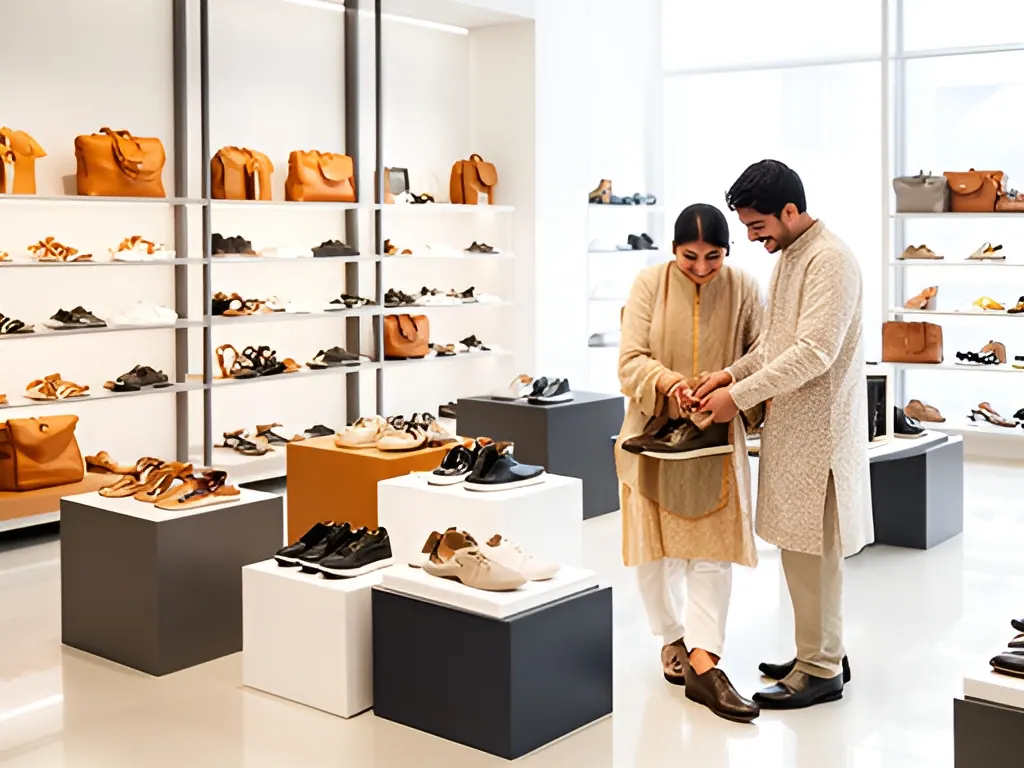
Footwear shop shops see an estimated 1.5–3 times normal sales for 3–5 weeks. Remember the GST line: clothes and shoes up to ₹2,500 are taxed at 5% and above that at 18%, so festive pricing at ₹2,499 is smart.
Salons and parlours: Karva Chauth is the big day
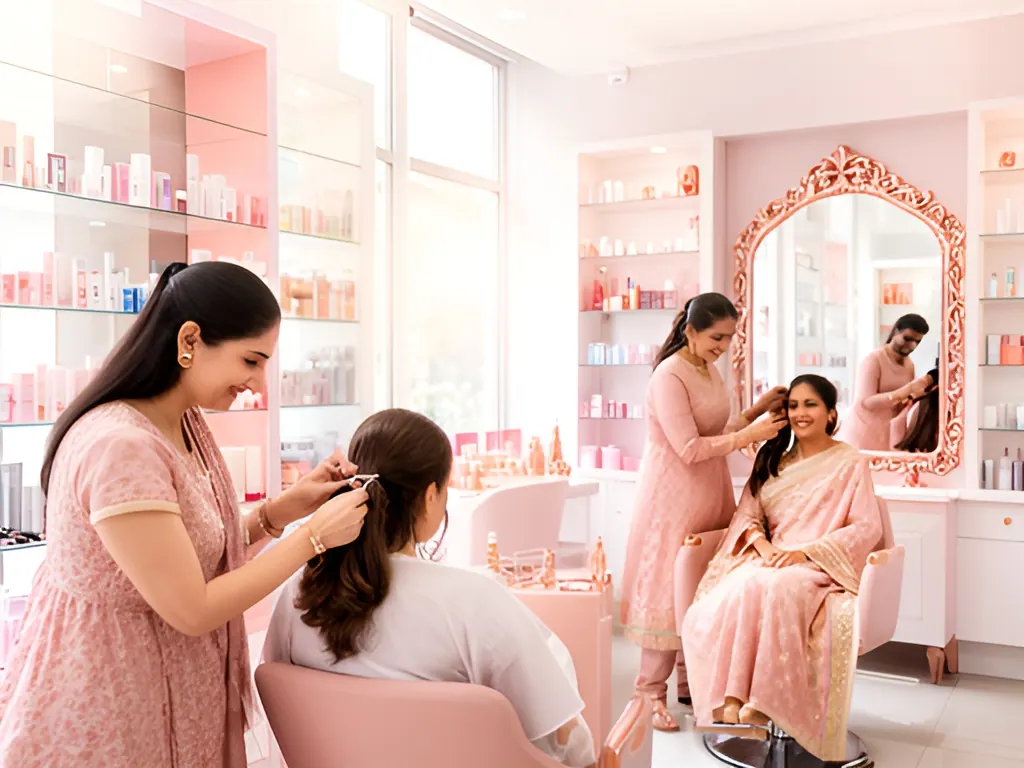
Ladies' parlours have the spikiest calendar of any business we studied. In Karva Chauth week, parlour demand runs at an estimated 3–5 times normal. In the week before Diwali, unisex salons and parlours run 1.5–2.5 times and barbers 1.5–2 times (estimates). Mehendi rates in Delhi went from about ₹100 a hand to ₹200+ in Karva Chauth week (Quartz). Karva Chauth falls on about 29 October in 2026.
Then the wedding season follows, with bridal makeup at ₹8,000–20,000 a function in neighbourhood salons. See the Salon or beauty parlour guide.
Gifts and stationery: small items, big margins
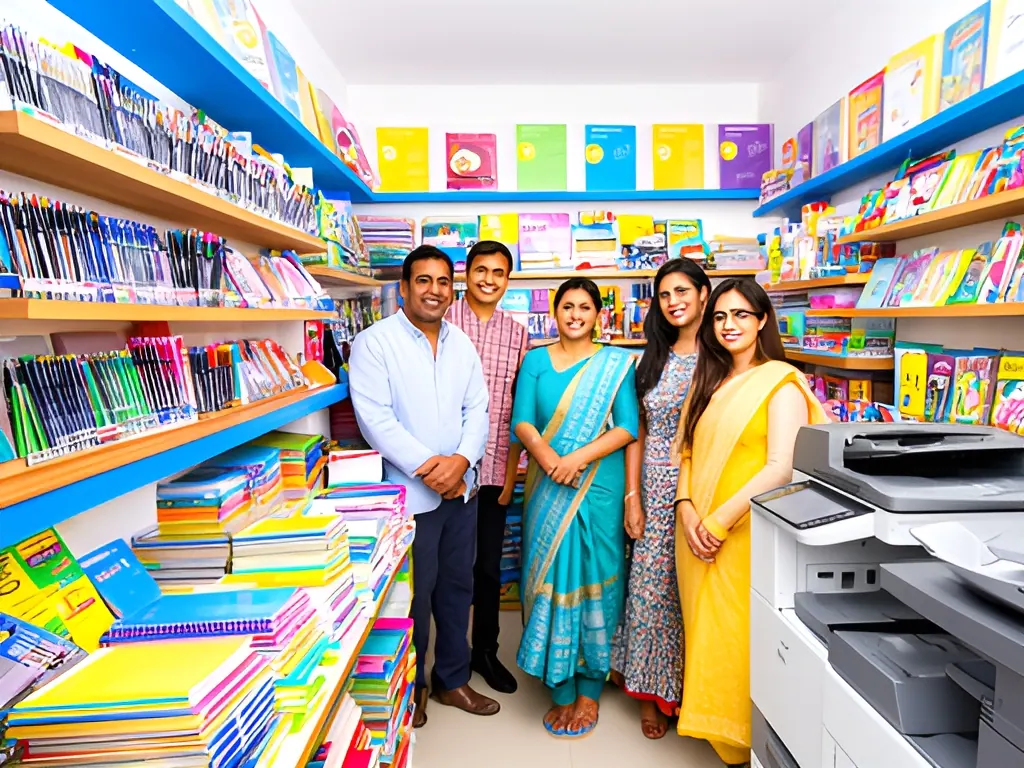
A Stationery shop and gift shop earns its school-season money in April–June, but Diwali is the gift season. Gift items (showpieces, mugs, frames, soft toys) carry 40–60% margins, and greeting cards and gift wrap are similar. Wholesale hubs like Delhi's Sadar Bazar (gifts, toys) and Chawri Bazar (paper, wedding cards) are where most small shops buy (DNA Hindi).
Kirana and mobile shops
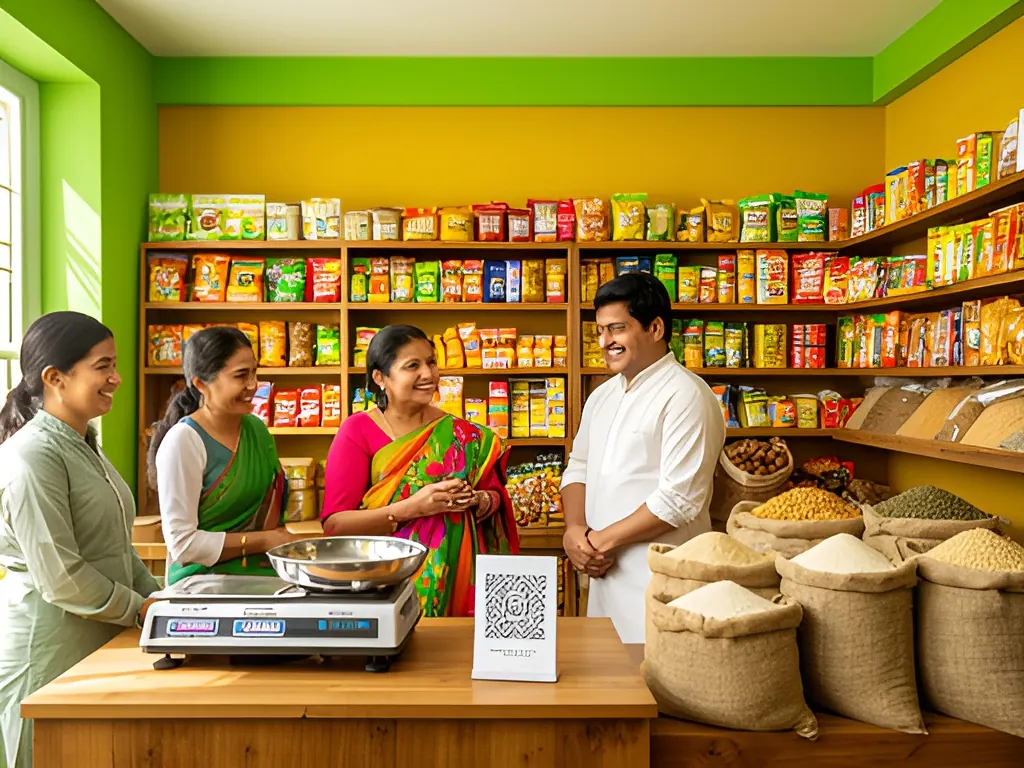
- A Kirana store store sees an estimated 40–80% jump in Diwali week, and fasting items sell 3–5 times normal during Navratri.
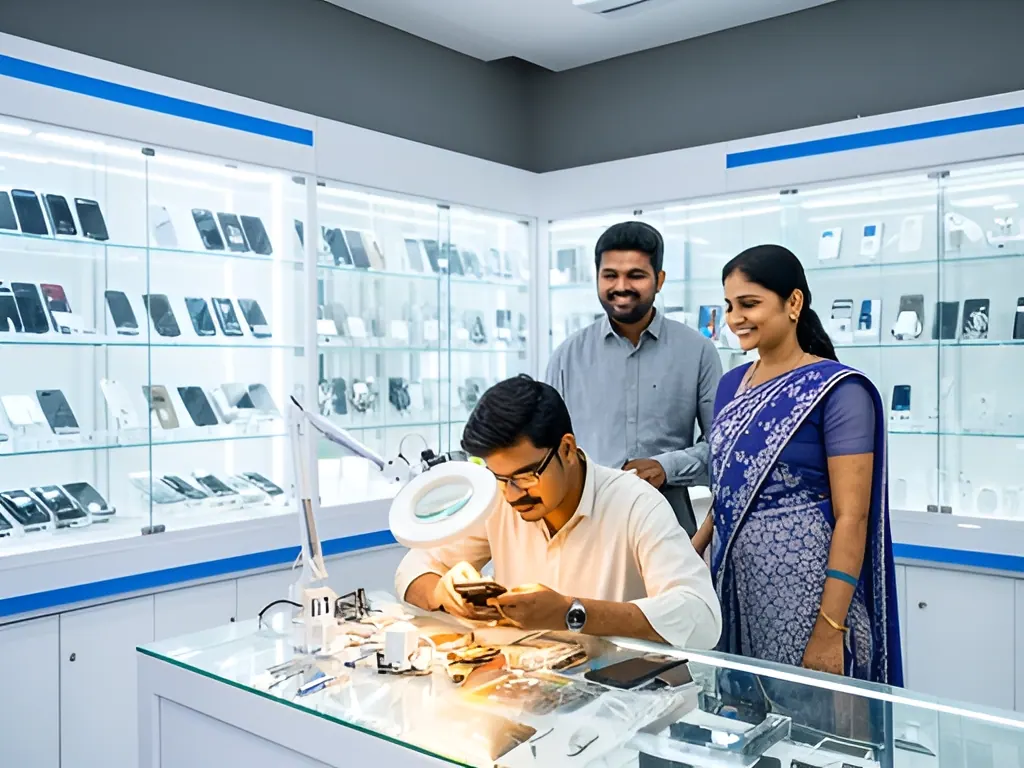
- A Mobile repair shop shop sells an estimated 1.5–3 times more accessories for 4–6 weeks: cases, earbuds, chargers, gifting.
- A Car wash has its busiest week before the festival: about 1.8–2.5 times for cars, with bike washes peaking much higher. Pune's washing centres ran short of water in a Dussehra rush (Free Press Journal).
Catering: wait for the muhurats
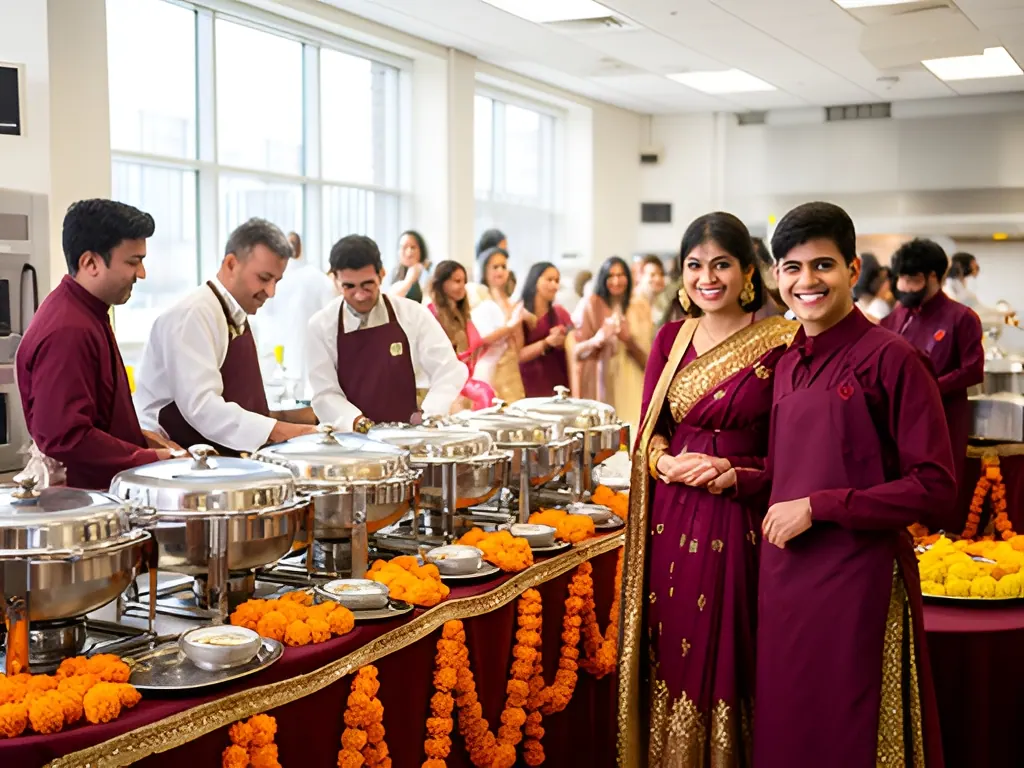
Catering business follows the wedding calendar, not Diwali itself. In 2026 there were no Hindu wedding dates from August to October (Chaturmas). Dates return on 21, 24, 25 and 26 November 2026, with about seven more in December (The Wedding Focus). November to February brings 40–50% of a caterer's annual income. Diwali parties, Ganesh Chaturthi, Durga Puja bhog and Christmas fill the gaps. On peak muhurat dates you can hold firm on price. In the off-season, clients bargain 5–15% off the first quote.
| Business | Setup from | Typical shop: setup | Typical shop: profit a month (tier 2 city) |
|---|---|---|---|
| 🍬 Sweet shop | ₹6.5 lakh | ₹6.5 lakh | ₹1.1 lakh–₹2.6 lakh |
| 👗 Clothing store | ₹50,000 | ₹7 lakh | ₹21,500–₹1.1 lakh |
| 💇 Salon or beauty parlour | ₹1.8 lakh | ₹2.5 lakh | ₹40,000–₹78,000 |
| ✏️ Stationery shop | ₹1.8 lakh | ₹4 lakh | ₹13,000–₹60,500 |
| 🍛 Catering business | ₹2 lakh | ₹7.5 lakh | ₹86,500–₹1.1 lakh |
| 🛍️ Kirana store | ₹2 lakh | ₹4.5 lakh | ₹8,500–₹19,500 |
Try it free in the simulator: Sweet shop
Run a realistic week of this business in 5 minutes before you invest a rupee.
Try it free in the simulator →Temporary festival stall ideas with small capital
If you do not have a shop, a stall for 3–6 weeks can test whether you like selling, without a lease. Typical costs are our estimates, and spot rent varies a lot by city.
- Diyas, candles, torans and rangoli colours. Buy from a wholesale market, sell near a busy market or housing society gate. Low cost, but everyone else has the same idea, so display and location matter.
- Gift hampers and dry-fruit boxes. Assemble boxes at ₹300–1,500 and take orders on WhatsApp from offices and housing societies. Corporate orders want an invoice. Watch the price of cashew and almonds, which move in October.
- Mehendi stall for Karva Chauth and weddings. Very low cost if you have the skill. Set up near a market or parlour for the week.
- Home-made sweets and namkeen. A home-based festival-order halwai can start with an estimated ₹50,000–2 lakh. You need FSSAI basic registration even at home (₹100), and clean kitchen practices, because food-safety teams raid hard before Diwali.
- WhatsApp clothing resale. A home-based reseller needs about ₹50,000 of stock and a phone, and sells at a 25–30% markup. Order festive stock early, because wholesalers tighten credit before Diwali.
Avoid selling firecrackers unless you have the temporary licence your district requires. Rules are strict and change every year.
| Business | Setup from | Typical shop: setup | Typical shop: profit a month (tier 2 city) |
|---|---|---|---|
| 🥬 Vegetable shop | ₹20,000 | ₹20,000 | ₹17,500–₹39,000 |
| ☕ Chai business | ₹25,000 | ₹60,000 | ₹55,000–₹1.1 lakh |
| 📚 Tuition centre | ₹35,000 | ₹1.3 lakh | ₹17,500–₹60,500 |
| 🧵 Tailoring shop or boutique | ₹40,000 | ₹2.3 lakh | ₹15,000–₹43,500 |
| 🍱 Tiffin service | ₹40,000 | ₹1 lakh | ₹17,500–₹30,500 |
| 📱 Mobile repair shop | ₹45,000 | ₹1.5 lakh | ₹24,000–₹69,500 |
| 🥟 Street food stall | ₹50,000 | ₹50,000 | ₹35,000–₹90,000 |
| 👗 Clothing store | ₹50,000 | ₹7 lakh | ₹21,500–₹1.1 lakh |
How much stock should you buy for Diwali?
Over-stocking is the most common festival mistake. Clothes bought for Diwali that do not sell become end-of-season sale stock at 10–20 points lower margin. Sweets that do not sell are a pure loss in a few days.
- Buy in rounds. Order 50–60% of your expected festive stock early, then top up in the second week based on what is moving.
- Take advance orders. Pre-orders for sweet boxes, hampers and stitched clothes give you a demand forecast and cash in hand.
- Know your sizes and colours. In clothing and footwear, odd sizes become dead stock. Keep a size-wise sales record from last season.
- Expect online sale events. The big e-commerce festival sales offer 40–70% off and coincide with Diwali. Don't fight them on branded goods. Compete on service, trials, alterations and same-day availability.
Keeping cash flowing through the festival
The festival can make a shop rich on paper and broke in the bank. Plan for these:
- Supplier credit shrinks before Diwali. In Surat in 2013, wholesaler credit terms fell from 120+ days to about 30 (Business Standard). Arrange cash before you need it.
- Staff costs rise. A Diwali bonus of about a month's wage is normal, plus overtime or temporary helpers.
- Short-term finance. A festival working-capital loan or overdraft from a bank costs an estimated 10–16% a year, far less than informal lenders at 2–5% a month. If you need a bigger loan, read our Mudra loan guide.
- Collect udhaar before the festival. Credit customers spend their cash on Diwali. Collect dues in early October, not after.
- Keep money aside for the slow weeks after. Shraadh before Navratri and the post-Diwali lull are quiet weeks. Clothing sales can drop to an estimated 0.5–0.7 times normal in monsoon and Shraadh weeks.
Risks that hit festival businesses
- Food-safety raids before Diwali and Holi target khoya, ghee and paneer. In October 2025, UP seized about 3,000 quintals of spurious food (The Week/PTI). Buy from known suppliers and keep bills.
- Staff walk-outs. A key halwai or salesman poached just before Diwali can cut capacity by 30–50% (estimate).
- Navratri dips for non-veg food. Non-veg street food can drop to 0.4–0.7 times normal in Navratri in some regions; plan menus accordingly.
- Diwali day itself is quiet for some businesses, like chai stalls and cloud kitchens, as people stay home. The week after picks up.
Try before you invest
Festival weeks look easy from outside. BizGame's free simulator lets you run a Sweet shop, Clothing store shop or Salon or beauty parlour through a full year, including the Diwali rush, the wedding muhurats and the slow weeks after, and see what over-stocking or a missed pre-order does to your cash. It is a learning game, not a way to earn money, but it lets you make the mistakes for free.
Try it free in the simulator: Clothing store
Run a realistic week of this business in 5 minutes before you invest a rupee.
Try it free in the simulator →