How to start a vegetable farming business in India (2026): investment, profit and licences
A vegetable farming business in India needs about ₹1.5 lakh–₹8.5 lakh to set up, depending on the format. A well-run one typically makes ₹2,000–₹52,000 a month in profit. You usually need: no licence to grow or sell raw vegetables; your state's APMC Act decides where you can sell, mandi charges of about 10–15% of sale value when you sell in the yard, FSSAI basic registration (₹100/year) if you wash, pack and label boxes, PGS-India or NPOP certificate before calling produce organic, land records, project report, soil and water tests for MIDH or NHB subsidy.
How much investment do you need?
- Cheapest start
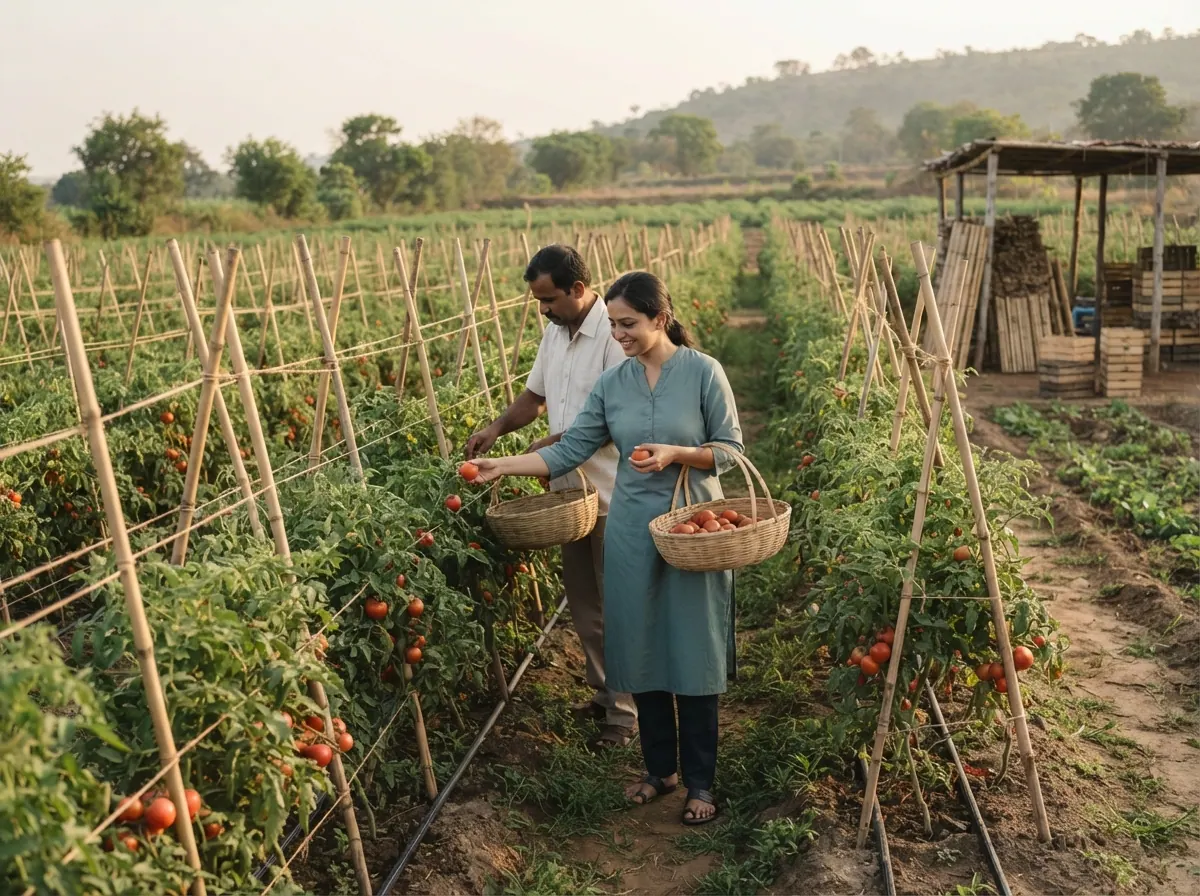
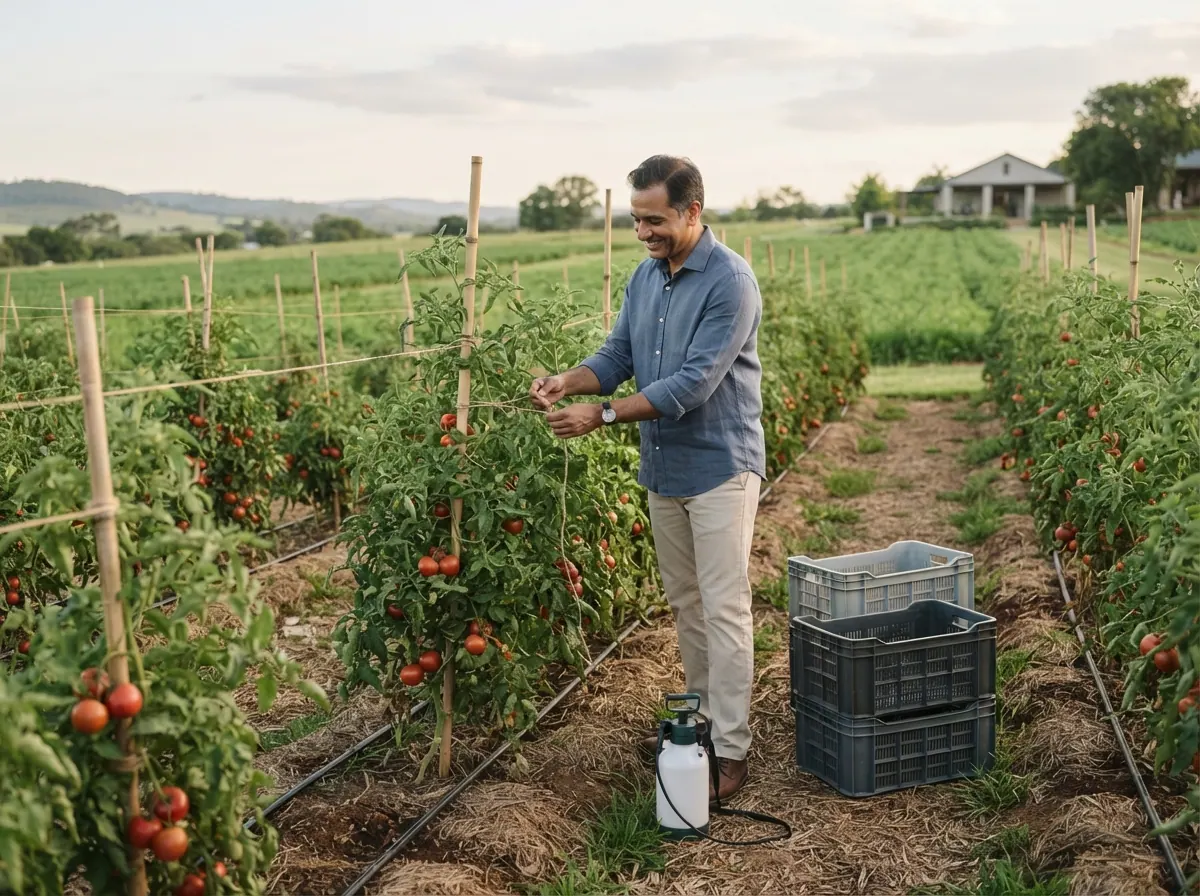
Open field, family labour
1 acre with furrow or basic drip and bamboo stakes. Sold at the farm gate or a weekly market. 10–15 t tomato a crop.
Setup cost₹1.5 lakhSuggested budget (with working capital): ₹2.5 lakh Open field, drip and mulch
1 acre with drip, mulch, stakes, sprayer and crates. Sold at the mandi. 15–22 t tomato a crop.
Setup cost₹2 lakhSuggested budget (with working capital): ₹3.4 lakh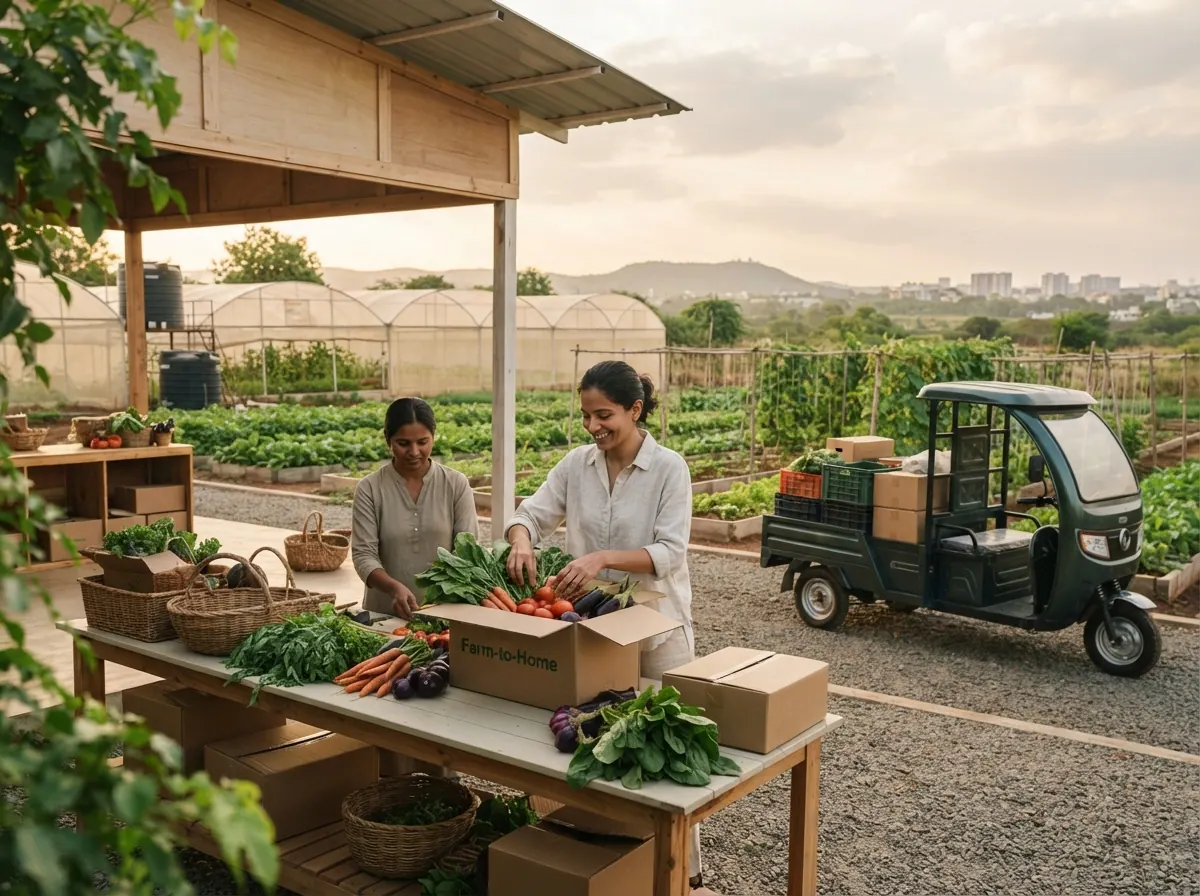
Farm-to-home boxes
1.5–2 acres, packing shed, e-rickshaw and PGS for about 40 weekly boxes at ₹600. Needs a city within 1–2 hours. Takes 6–12 months to fill up.
Setup cost₹6 lakhSuggested budget (with working capital): ₹6.6 lakh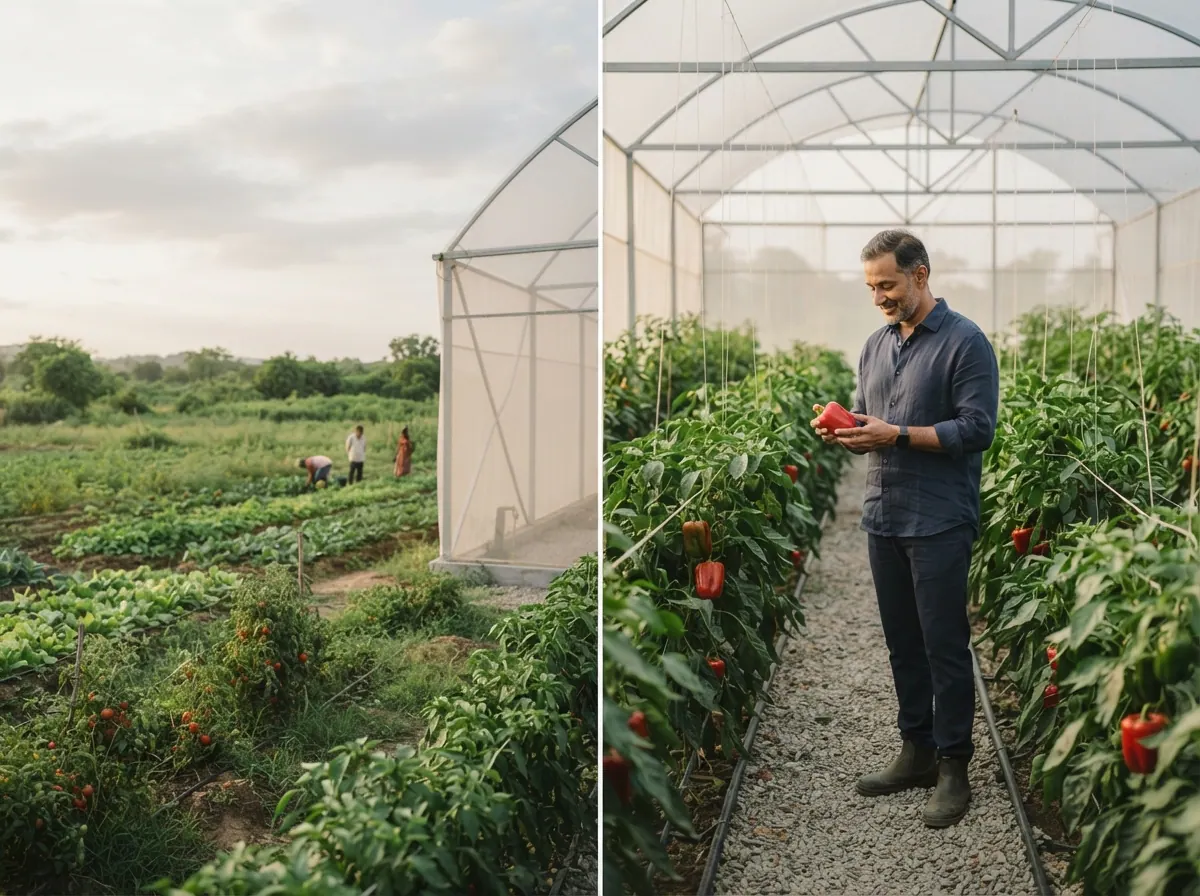
Polyhouse and 1 acre
1,000 sq m NVPH for capsicum plus an acre outside. Needs hotel or retail buyers, because mandi sale breaks the sums. Subsidy comes months later.
Setup cost₹8.5 lakhSuggested budget (with working capital): ₹10.4 lakh
How to start a vegetable farming business, step by step
- Choose your format and budget: Start with Open field, family labour: about ₹1.5 lakh to set up, or ₹2.5 lakh with working capital.
- Pick the location: Compare the rent with the number of customers who pass by, at the hours you will be open.
- Get your licences: Commonly needed: no licence to grow or sell raw vegetables; your state's APMC Act decides where you can sell, mandi charges of about 10–15% of sale value when you sell in the yard, FSSAI basic registration (₹100/year) if you wash, pack and label boxes, PGS-India or NPOP certificate before calling produce organic, land records, project report, soil and water tests for MIDH or NHB subsidy. Rules vary by state and city, so confirm with your municipal office.
- Arrange stock, staff and prices: Check local prices first, and keep money aside for the first months of rent, wages and stock.
- Plan for the risks: Watch for: tomato price crash to ₹2–5/kg in a glut, Tuta absoluta and leaf curl virus, heat waves and rain at picking time, pickers not available at peak harvest, hail on polyhouse film and late subsidy money, subscribers leaving a vegetable box plan.
- Practise before you invest: Run it day by day in the free simulator to see where the money goes.
How much profit can you make?
A well-run vegetable farming business typically nets ₹2,000–₹52,000 a month: about ₹8,500–₹52,000 in a metro and ₹2,000–₹17,500 in a small town. A casually run one can make far less or lose money.
| City | Net profit per week | Net profit per month |
|---|---|---|
| Metro city | ₹2,000–₹12,000 | ₹8,500–₹52,000 |
| Tier 2 city | ₹1,000–₹5,000 | ₹4,500–₹21,500 |
| Small town | ₹500–₹4,000 | ₹2,000–₹17,500 |
Ranges are for a well-run business of the typical format in each city size, from public sources and estimates. Your results depend on location and how you run it.
Profit calculator
Put in your own numbers for a quick monthly estimate. For a realistic run with festivals, rain, staff and stock, use the simulator.
Run it day by day before you invest
Run a vegetable farming business day by day. Choose your city, budget and location, then make the decisions a real owner faces as they come up. Your advisor can test each choice on your next 3 months.
Play the simulator free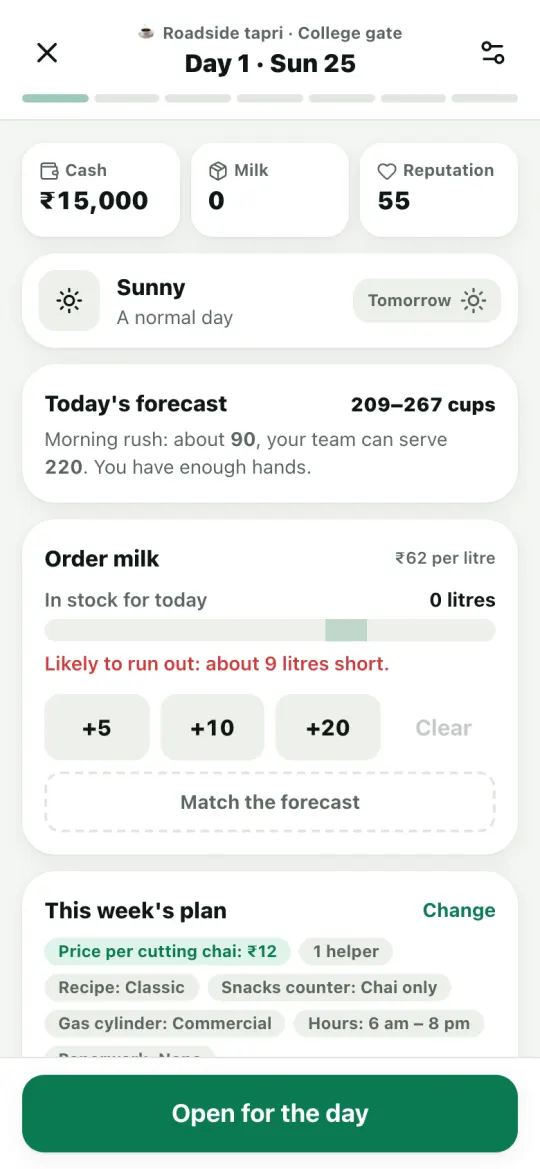
Key numbers (176 researched factors)
JSON · Source · Estimate
| Factor | Typical value in India | Source |
|---|---|---|
| Format choice | Open field 1 acre / shade net 500–1,000 sq m / NVPH 1,000 sq m / D2C 2 acres | Scope |
| Drip system, 1 acre, installed | ₹40,000–80,000 before subsidy; 7–10-year life | organicmandya.com |
| Film replacement reserve | ₹40–45/sq m every 3–4 yrs = ₹12–15k/yr per 1,000 sq m | bosswallah.com |
| Shade-net replacement | UV net 7–10 yrs; ₹10k/yr reserve per 1,000 sq m | organicmandya.com |
| Crop mix per season | Kharif: tomato, brinjal, okra, chilli; Rabi: tomato, beans, greens; Summer: gourds, greens under shade | organicmandya.com |
| Tomato mandi price band 2026 | ₹2–34/kg farm gate; national avg ₹21.6 (25 Aug 2026); Kolar ₹8.6, Nashik ₹14 | procurementresource.com |
| Hybrid tomato seed | ₹500/10 g (Seminis Abhilash); Saaho ₹890/3,500 seeds; 60–80 g/acre | m.indiamart.com |
| Hybrid chilli seed | ₹675/1,500 seeds (HPH 5531); ₹520/pack (Magadheera) | globallinker.com |
| Lean supply windows (high price) | Jun–Aug and Oct–Nov | businesstoday.in |
| Glut window (crash risk) | Jan–Apr rabi harvest in south and Maharashtra | outlookbusiness.com |
| Wage floor (VB-G RAM G, Jul 2026) | ₹300–409/day by state (KA 382, MH 317, TS 308) | righttoinformation.wiki |
| Family labour | T3 supplies 60–100% of labour; imputed ₹1–1.5 lakh/yr | organicmandya.com |
| D2C prepayment | Monthly in advance, reminder on the 25th | organicmandya.com |
| Subscriber land need | 0.03–0.04 acre per weekly box | organicmandya.com |
| Mandi catchment price gap | Kolar/Nashik 20–40% below national average at local peak | procurementresource.com |
| Regional price premium | North-East (Nagaland ₹50/kg) vs Maharashtra ₹11.5/kg state average | procurementresource.com |
| Atomistic market | Thousands of sellers; player is a price taker at the mandi | anantamias.com |
| Regional supply shock drives price | Karnataka/Maharashtra extended harvest pulled Aug 2026 prices down; MP/Gujarat arrivals in Sep | procurementresource.com |
| APMC regime | State Acts; 14+ states deregulated F&V (Maharashtra 2016, Karnataka 2020) | shankariasparliament.com |
| Mandi charges | 10–15% of value total (fee ~1%, commission 6–8%, hamali); Punjab/Haryana fees 6.5–8.5% | anantamias.com |
| Heat wave / erratic monsoon | 3–4% national loss (2026), 20–50% local | businesstoday.in |
| Harvest stage | Breaker/half-red for distant markets; red for local | vfpck.org |
| Finding buyers | Vaman found her first wholesaler via online search; advance orders, morning rates | 30stades.com |
| Tomato net per acre-crop | +₹60–90k at ₹12/kg; −₹40–80k at ₹3–5/kg; ₹1.2 lakh claims use 2023 costs and ₹15/kg | agrifarming.in |
Licences and rules
Rules vary by state and city: confirm with your municipal office.
- No licence to grow or sell raw vegetables; your state's APMC Act decides where you can sell
- Mandi charges of about 10–15% of sale value when you sell in the yard
- FSSAI basic registration (₹100/year) if you wash, pack and label boxes
- PGS-India or NPOP certificate before calling produce organic
- Land records, project report, soil and water tests for MIDH or NHB subsidy
| Factor | Typical value in India | Source |
|---|---|---|
| APMC regime | State Acts; 14+ states deregulated F&V (Maharashtra 2016, Karnataka 2020) | shankariasparliament.com |
| Mandi charges | 10–15% of value total (fee ~1%, commission 6–8%, hamali); Punjab/Haryana fees 6.5–8.5% | anantamias.com |
| e-NAM | 1,400+ (or 1,656) mandis; inter-state trade 0.16%; price info more than channel | vajiramandravi.com |
| Direct marketing licence | Maharashtra 148 issued (91 F&V) | shankariasparliament.com |
| FSSAI for D2C packing | Basic registration ₹100/yr up to ₹1.5 crore (1 Apr 2026); raw-produce farmer exempt | reports/Local business simulation fact… |
| GST | Fresh vegetables 0%; frozen/processed 5% | reports/Local business simulation fact… |
| Organic certification | PGS-India for D2C (low cost); NPOP third-party ₹25–60k/yr (Est.); 2–3-yr conversionEstimate | organicmandya.com |
| Subsidy documents | Land records, DPR, soil/water tests, bank sanction, 5-yr undertaking; lottery in some states | bosswallah.com |
Risks to plan for
- Tomato price crash to ₹2–5/kg in a glut
- Tuta absoluta and leaf curl virus
- Heat waves and rain at picking time
- Pickers not available at peak harvest
- Hail on polyhouse film and late subsidy money
- Subscribers leaving a vegetable box plan
| Factor | Typical value in India | Source |
|---|---|---|
| Grade share A/B/C | 35/45/20 good; 20/40/40 after rain/pestsEstimate | Est. |
| Harvest stage | Breaker/half-red for distant markets; red for local | vfpck.org |
| Hotel-vendor reputation | Consistent size and colour keeps vendors; Borgave adds vendors yearly | 30stades.com |
| D2C trust | Farm visits, WhatsApp photos, seasonal calendar reduce churn | organicmandya.com |
| Residue reputation | A failed residue test loses a retail buyer for a seasonEstimate | Est. |
| Certification signal | PGS logo lifts D2C conversion 10–20% (Est.); mandi ignores itEstimate | organicmandya.com |
Frequently asked questions
How much investment is needed to start a vegetable farming business?
It depends on the format: Open field, family labour ₹1.5 lakh; Open field, drip and mulch ₹2 lakh; Farm-to-home boxes ₹6 lakh; Polyhouse and 1 acre ₹8.5 lakh. Keep extra working capital for stock, wages and rent for the first months.
How much profit does a vegetable farming business make per month?
A well-run vegetable farming business typically nets ₹2,000–₹52,000 a month: about ₹8,500–₹52,000 in a metro and ₹2,000–₹17,500 in a small town. A casually run one can make far less or lose money.
Which licences do I need for a vegetable farming business?
Commonly: no licence to grow or sell raw vegetables; your state's APMC Act decides where you can sell, mandi charges of about 10–15% of sale value when you sell in the yard, FSSAI basic registration (₹100/year) if you wash, pack and label boxes, PGS-India or NPOP certificate before calling produce organic, land records, project report, soil and water tests for MIDH or NHB subsidy. Rules vary by state and city, so check with your municipal office.
Is a vegetable farming business profitable in a small town?
Yes, at a smaller scale. A well-run vegetable farming business in a small town nets about ₹2,000–₹17,500 a month, with lower rent and wages but fewer customers.
What are the biggest risks of a vegetable farming business?
The main ones are: tomato price crash to ₹2–5/kg in a glut, Tuta absoluta and leaf curl virus, heat waves and rain at picking time, pickers not available at peak harvest, hail on polyhouse film and late subsidy money, subscribers leaving a vegetable box plan.
How can I practise running a vegetable farming business before investing?
Play the free BizGame vegetable farming business simulator. It runs day by day with Indian prices, festivals, weather and inspections, and shows how your money is doing after every decision.
vegetable farming profit per acre · 1 acre tomato profit · tomato farming cost per acre · polyhouse farming cost and subsidy · organic vegetable subscription business
More business ideas to simulate
 Dairy farmSetup from ₹11.5 lakh182 researched factors
 Dairy farming businessSetup from ₹5.5 lakh166 researched factors
 Egg farm businessSetup from ₹3.3 lakh163 researched factors
 Fish farming businessSetup from ₹90,000169 researched factors
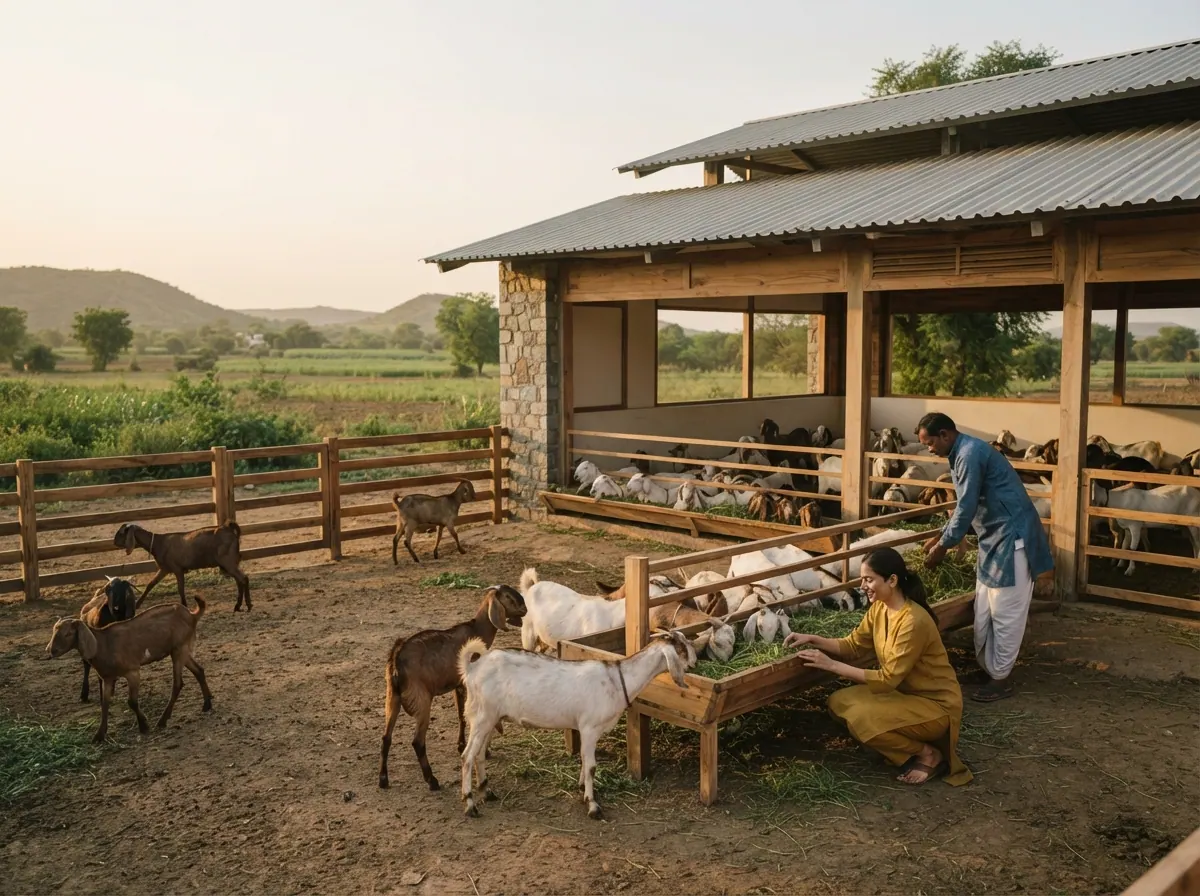 Goat farming businessSetup from ₹1.5 lakh158 researched factors
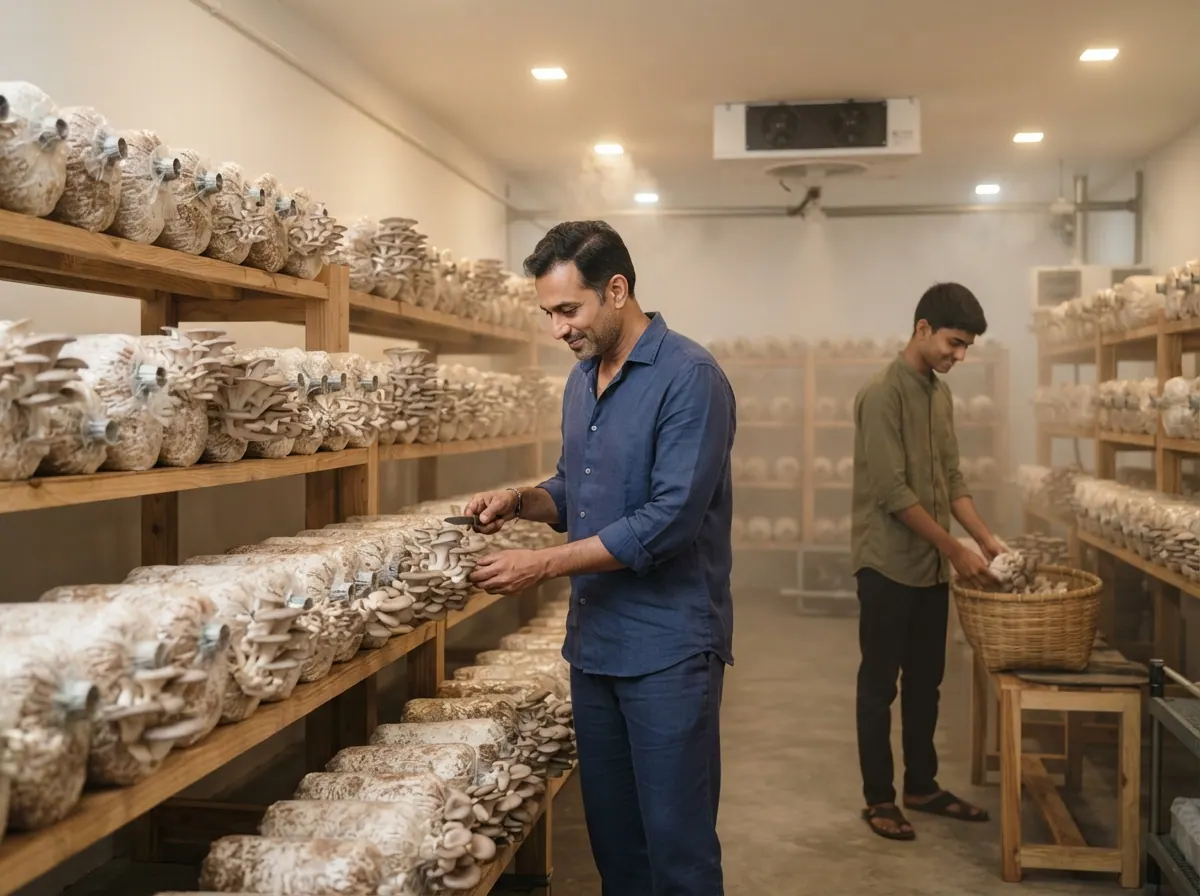 Mushroom farming businessSetup from ₹45,000175 researched factors
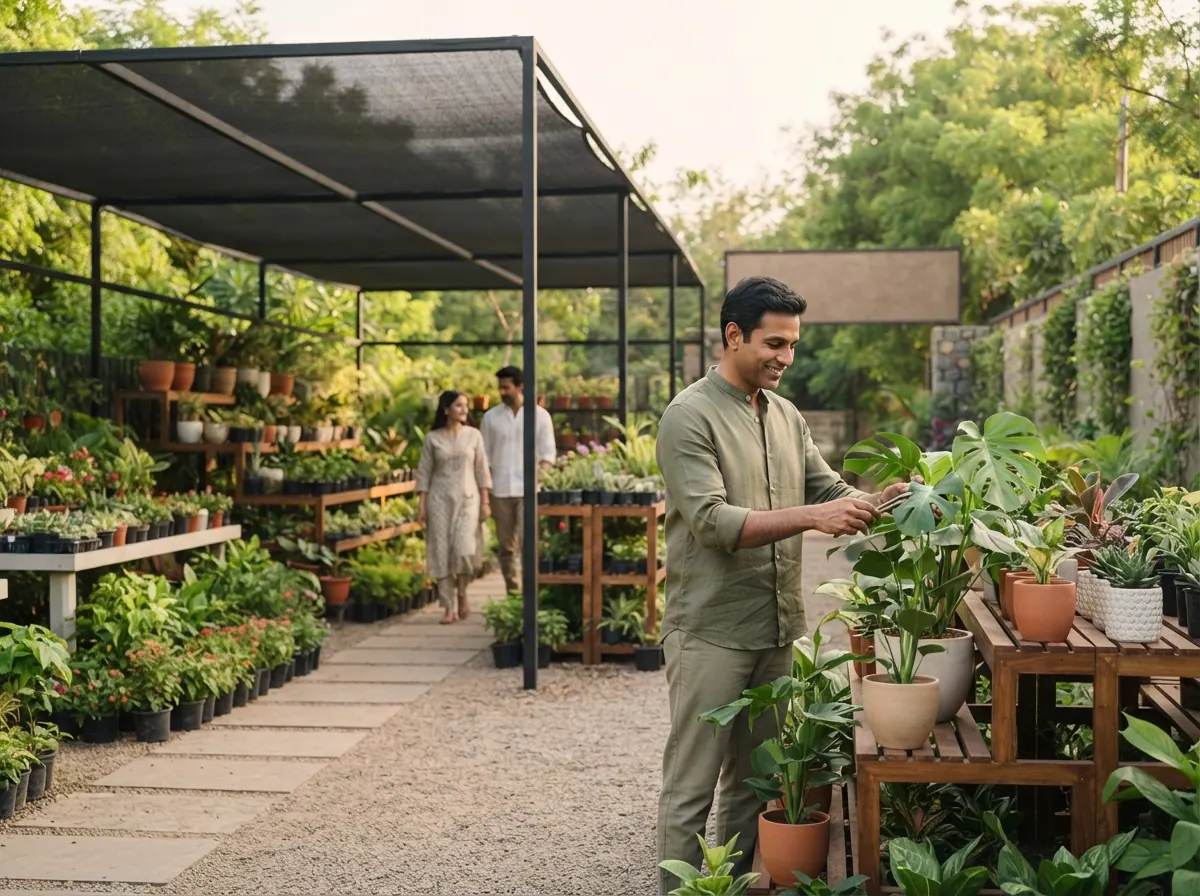 Plant nursery businessSetup from ₹2.7 lakh146 researched factors
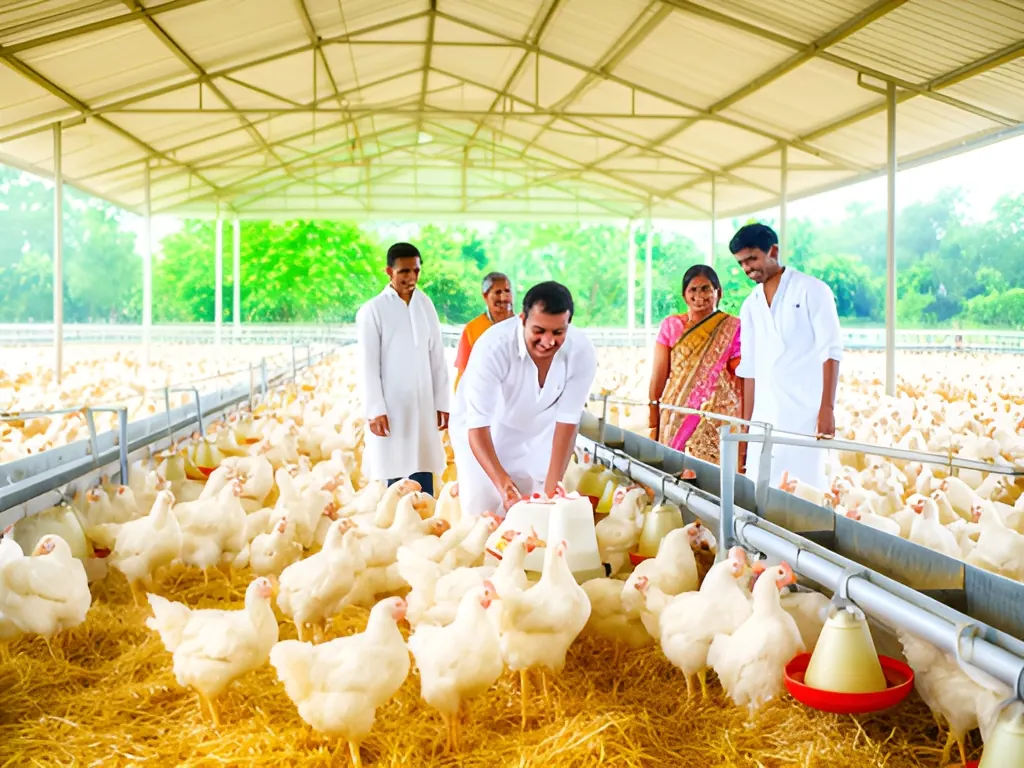 Poultry farmSetup from ₹5 lakh144 researched factors
 Tractor rental businessSetup from ₹5 lakh150 researched factors
 Chai businessSetup from ₹60,000177 researched factors
 Kirana storeSetup from ₹2 lakh180 researched factors
 Mobile repair shopSetup from ₹45,000188 researched factors