How to start a vegetable shop in Meghalaya (2026): investment, profit and licences
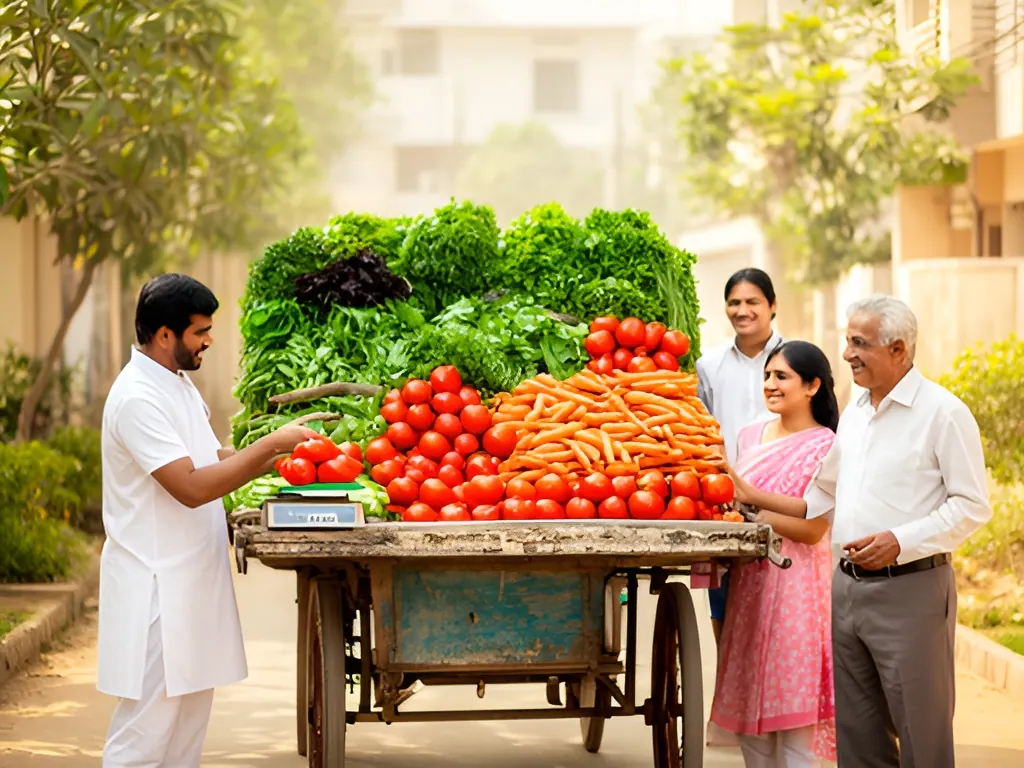
A vegetable shop in Meghalaya needs about ₹22,000–₹13.3 lakh to set up, depending on the format. Run well in a city like Tura, it typically nets ₹20,500–₹45,500 a month. The numbers below are India-wide research rescaled to Meghalaya's own wages, shop rents, power tariffs and street prices.
How much investment do you need in Meghalaya?
- Cheapest start
Sabzi thela (push-cart)
A cart of 80–200 kg you push through the lanes. Cheapest start; drives hit you hardest.
Setup cost₹22,000Suggested budget (with working capital): ₹31,000 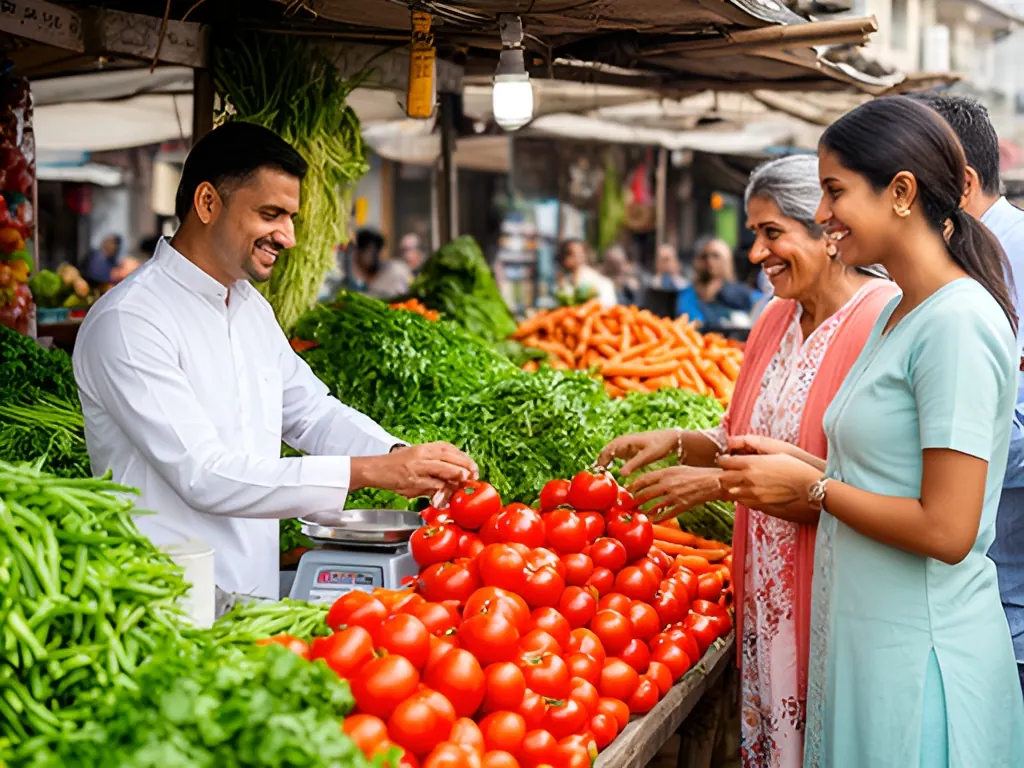
Footpath / haat stall
A table and tarp in a vending zone or weekly haat. A fixed spot regulars can find.
Setup cost₹41,500Suggested budget (with working capital): ₹52,000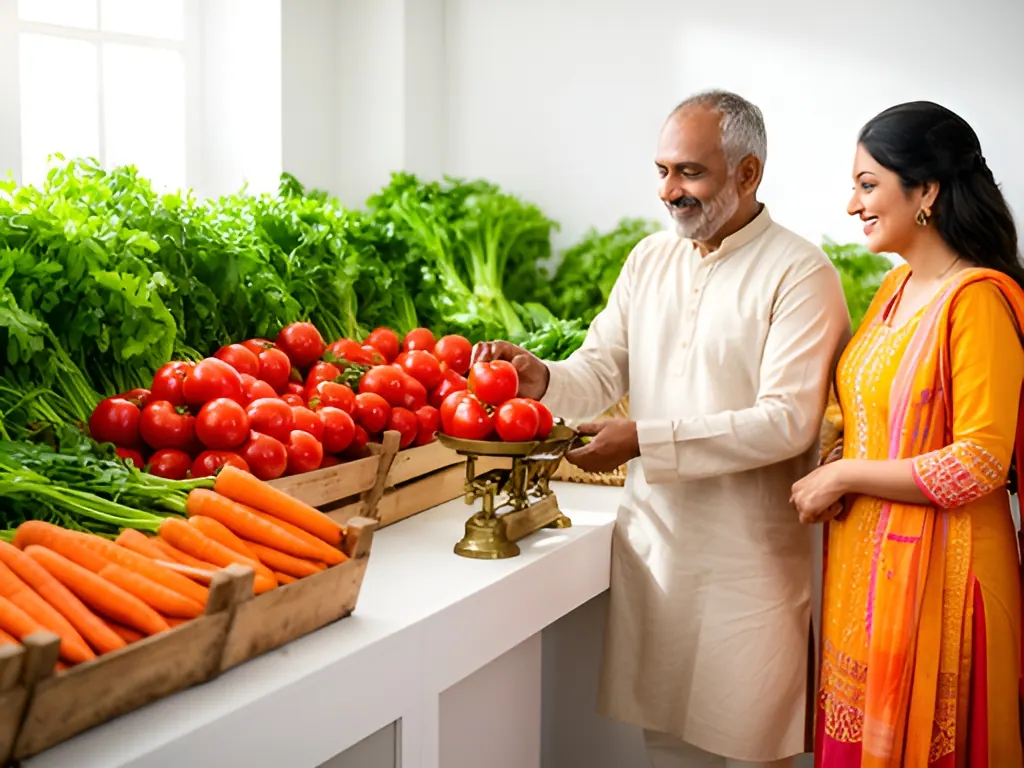
Small sabzi shop (80–200 sq ft)
Racks, sloped display and a shutter. Bigger bills with more fruit; rent and a helper.
Setup cost₹1.3 lakhSuggested budget (with working capital): ₹1.5 lakh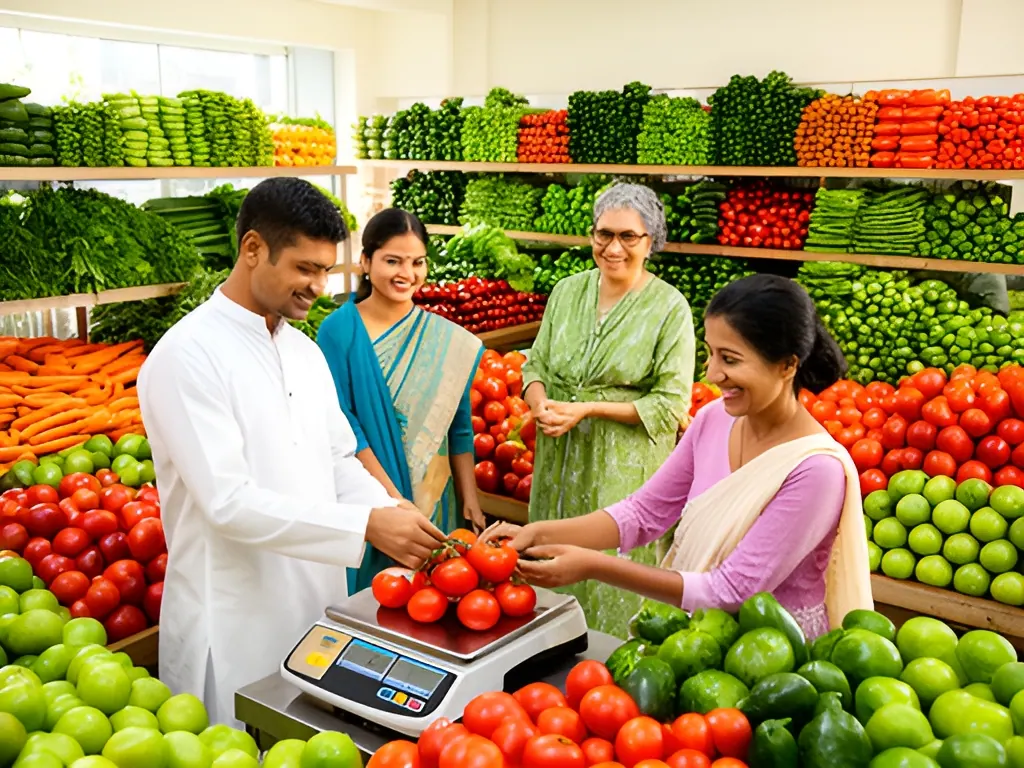
Large F&V store (400–1,000 sq ft)
Chilled display, billing software, 4–8 staff. Big bills, thin margins, wastage-sensitive.
Setup cost₹13.3 lakhSuggested budget (with working capital): ₹14 lakh
How much profit can you make in Meghalaya?
A well-run vegetable shop in Meghalaya typically nets ₹20,500–₹45,500 a month in a mid-size city: about ₹41,000–₹1.1 lakh in the metro and ₹14,500–₹31,000 in a small town. A casually run one can make far less or lose money.
| City | Net profit per week | Net profit per month |
|---|---|---|
| Shillong | ₹9,487–₹26,089 | ₹41,000–₹1.1 lakh |
| Tura | ₹4,687–₹10,546 | ₹20,500–₹45,500 |
| Jowai | ₹3,320–₹7,194 | ₹14,500–₹31,000 |
Ranges are for a well-run business of the typical format in each city size, from public sources and estimates. Your results depend on location and how you run it.
What changes in Meghalaya
The researched local factors that move this business’s numbers.
| Here | India | vs India | |
|---|---|---|---|
| Minimum wage, monthly | ₹14,430 | ₹12,500 | +15% |
| Unskilled day wage | ₹600Estimate | ₹500 | +20% |
| Shop rent, metro (per sq ft/month) | ₹120Estimate | ₹150 | −20% |
| Shop rent, mid-size city | ₹45Estimate | ₹60 | −25% |
| Shop rent, small town | ₹35Estimate | ₹25 | +40% |
| Commercial power, per kWh | ₹7.45 | ₹9.5 | −22% |
| Commercial LPG cylinder | ₹3,079 | ₹2,810 | +10% |
| Petrol, per litre | ₹103 | ₹102 | +1% |
| Cup of tea / coffee | ₹15Estimate | ₹12 | +25% |
| Simple meal | ₹110Estimate | ₹80 | +38% |
| Men's haircut | ₹100Estimate | ₹100 | ≈ |
| Milk, 1 litre | ₹66Estimate | ₹60 | +10% |
| Bread loaf | ₹50Estimate | ₹45 | +11% |
| Factor | Typical value in India | Source |
|---|---|---|
| Minimum wage, unskilled, shops & establishments | ₹555/day, ₹14,430/month incl. VDA (from 1 Apr 2026; notification 1 May 2026) | hrengage.ai |
| Minimum wage, semi-skilled | ₹598/day (₹15,548/month) | hrengage.ai |
| Minimum wage, skilled | ₹640/day (₹16,640/month) | hrengage.ai |
| Typical informal shop helper pay (T2) | ₹10,000–13,000/month (Tura); ₹12,000–15,000 (Shillong)Estimate | Est.: informal helpers commonly paid a… |
| Small shop rent, T1 (Shillong) | ₹120/sq ft/monthEstimate | Est.: no 2026 high-street rent survey … |
| Small shop rent, T2 (Tura) | ₹45/sq ft/monthEstimate | Est.: no 2026 high-street rent survey … |
| Small shop rent, T3 (Jowai) | ₹35/sq ft/monthEstimate | Est.: no 2026 high-street rent survey … |
| Commercial electricity, small shop (~200 units/month) | Non-domestic/commercial LT ₹7.45/unit flat; fixed ₹170/kVA/month; duty extra (MSERC order 26 Mar 2026) | thediscombill.com |
| Commercial LPG 19 kg cylinder | ₹3,078.5 (25 Oct 2026; national Delhi reference ₹2,810) | goodreturns.in |
| Domestic LPG 14.2 kg (illegal for commercial use) | ₹1,009 | goodreturns.in |
| Professional tax | Annual slabs on income, capped at ₹2,500/yr | calcguru.in |
| GST registration threshold / composition | ₹20 lakh for goods and services (special category); composition limit ₹75 lakh | cleartax.in |
| Casual unskilled day wage, open market (T2) | ₹600/dayEstimate | Est.: Tura casual labour ₹600/day; ope… |
| Per-capita income (GSDP per capita, current prices) | ₹1,90,414 (2025–26); about 76% of national | en.wikipedia.org |
Festivals and demand
- Christmas and New Year (24 Dec 2026–1 Jan 2027) · Biggest spending season (~75% Christian); Shillong lights and tourist peak
- Wangala (100 Drums), Garo Hills (about 2nd week Nov 2026) · Tura area harvest festival; food and lodging demand
- Shad Suk Mynsiem (about Apr 2027) · Khasi thanksgiving dance in Shillong
- Behdienkhlam (about Jul 2027) · Jowai (T3) Pnar festival; local closures and fair
- Shillong Cherry Blossom Festival (about mid-Nov 2026) · Tourist and food-stall surge in Shillong
Licences and rules
Rules vary by state and city: confirm with your municipal office.
- Certificate of Vending from the Town Vending Committee (for carts and stalls)
- Annual Legal Metrology stamping of your weighing scale
- FSSAI basic registration (₹100/year)
- Municipal trade licence or Shops & Establishments registration for a fixed shop
- No GST on fresh fruit and vegetables
- Trading licence for non-tribals, Khasi Hills Autonomous District Council (KHADC) — or GHADC/JHADC in Garo/Jaintia Hills · Fee not found; KHADC 2026 amendment adds a per-employee service licence for non-tribal staff · Autonomous District Council (Sixth Schedule)
- Trade licence, Shillong Municipal Board · By trade; not published (est. ₹500–3,000/yr) · Shillong Municipal Board
Simulate a week before you invest
Run a vegetable shop for a week in about 5 minutes. Choose your city, budget and location, set prices, order stock and handle real events. Then see how you compare with a skilled owner. The free simulator currently runs on India-wide numbers; a state preset is coming.
Play the simulator freeFrequently asked questions
How much does it cost to start a vegetable shop in Meghalaya?
About ₹22,000–₹13.3 lakh, depending on the format. That is the India-wide setup cost rescaled to Meghalaya's rents and prices.
How much profit does a vegetable shop make in Meghalaya?
A well-run one typically nets ₹20,500–₹45,500 a month in a city like Tura. Casual owners earn far less.
What licences does a vegetable shop need in Meghalaya?
Certificate of Vending from the Town Vending Committee (for carts and stalls), Annual Legal Metrology stamping of your weighing scale, FSSAI basic registration (₹100/year), Municipal trade licence or Shops & Establishments registration for a fixed shop, No GST on fresh fruit and vegetables, Trading licence for non-tribals, Khasi Hills Autonomous District Council (KHADC) — or GHADC/JHADC in Garo/Jaintia Hills, Trade licence, Shillong Municipal Board
Which city in Meghalaya is best for a vegetable shop?
Bigger cities bring more customers and higher bills but also higher rent and wages. The chart above compares metro, mid-size city and small town.