How to start a kirana store in Lakshadweep (2026): investment, profit and licences
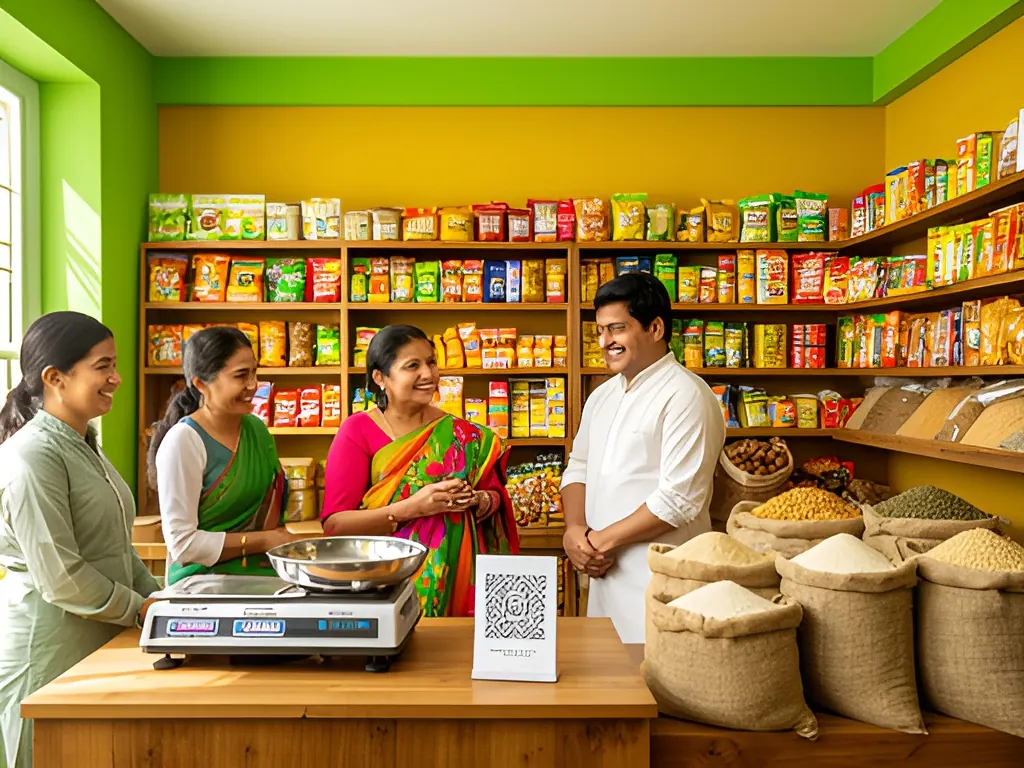
A kirana store in Lakshadweep needs about ₹2.5 lakh–₹12.2 lakh to set up, depending on the format. Run well in a city like Agatti, it typically nets ₹12,500–₹28,500 a month. The numbers below are India-wide research rescaled to Lakshadweep's own wages, shop rents, power tariffs and street prices.
How much investment do you need in Lakshadweep?
- Cheapest start
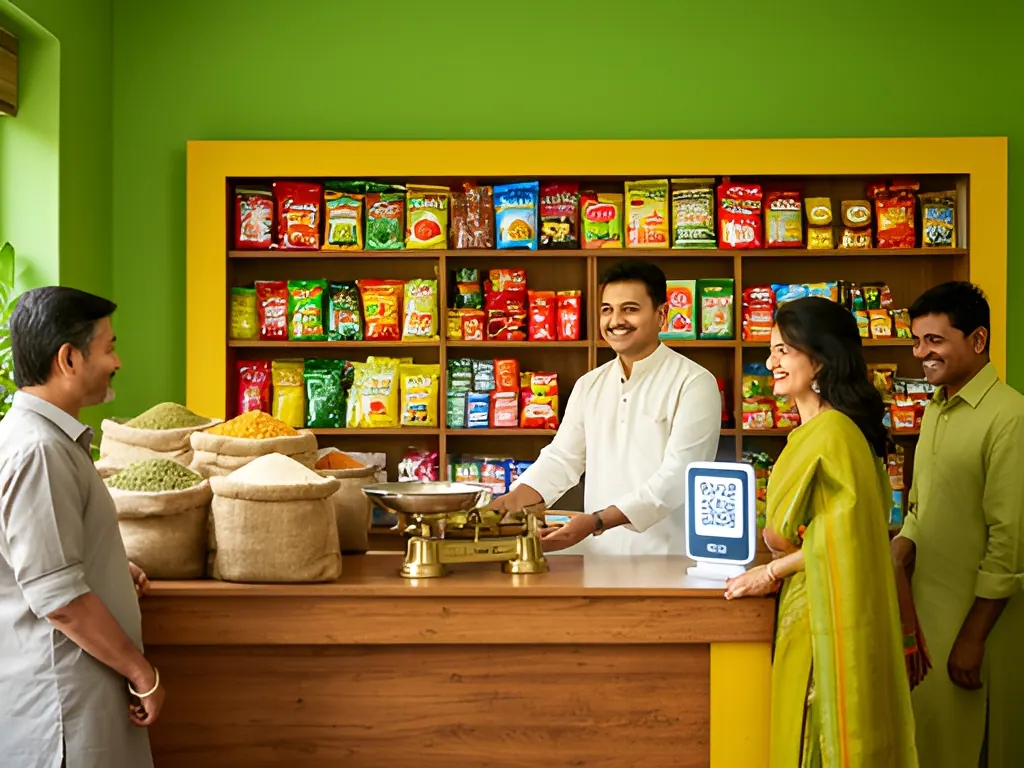
Home-front shop
A counter in the front room of your own house. No rent, a freezer and a cooler.
Setup cost₹2.5 lakhSuggested budget (with working capital): ₹2.8 lakh Small kirana (200 sq ft)
Over-the-counter shop with ~600 items. The classic neighbourhood kirana.
Setup cost₹5.5 lakhSuggested budget (with working capital): ₹5.8 lakh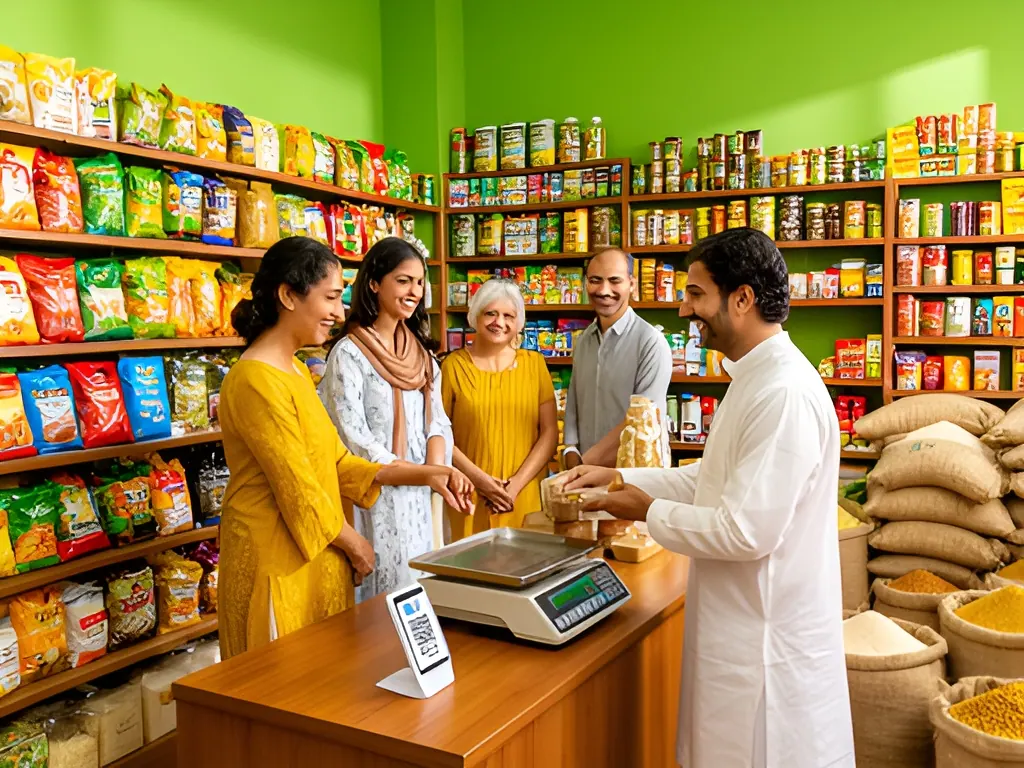
Mid-size store (500 sq ft)
Open shelves, 1,500+ items, two or three helpers. Bigger bills, much higher rent.
Setup cost₹12.2 lakhSuggested budget (with working capital): ₹13.3 lakh
How much profit can you make in Lakshadweep?
A well-run kirana store in Lakshadweep typically nets ₹12,500–₹28,500 a month in a mid-size city: about ₹49,500–₹1.1 lakh in the metro and ₹13,500–₹33,500 in a small town. A casually run one can make far less or lose money.
| City | Net profit per week | Net profit per month |
|---|---|---|
| Kavaratti | ₹11,479–₹25,827 | ₹49,500–₹1.1 lakh |
| Agatti | ₹2,930–₹6,592 | ₹12,500–₹28,500 |
| Kiltan | ₹3,080–₹7,768 | ₹13,500–₹33,500 |
Ranges are for a well-run business of the typical format in each city size, from public sources and estimates. Your results depend on location and how you run it.
What changes in Lakshadweep
The researched local factors that move this business’s numbers.
| Here | India | vs India | |
|---|---|---|---|
| Minimum wage, monthly | ₹10,863 | ₹12,500 | −13% |
| Unskilled day wage | ₹650Estimate | ₹500 | +30% |
| Shop rent, metro (per sq ft/month) | ₹50Estimate | ₹150 | −67% |
| Shop rent, mid-size city | ₹40Estimate | ₹60 | −33% |
| Shop rent, small town | ₹20Estimate | ₹25 | −20% |
| Commercial power, per kWh | ₹7Estimate | ₹9.5 | −26% |
| Commercial LPG cylinder | ₹3,300Estimate | ₹2,810 | +17% |
| Petrol, per litre | ₹108Estimate | ₹102 | +6% |
| Cup of tea / coffee | ₹12Estimate | ₹12 | ≈ |
| Simple meal | ₹100Estimate | ₹80 | +25% |
| Men's haircut | ₹100Estimate | ₹100 | ≈ |
| Milk, 1 litre | ₹80Estimate | ₹60 | +33% |
| Bread loaf | ₹50 | ₹45 | +11% |
| Factor | Typical value in India | Source |
|---|---|---|
| Minimum wage, unskilled | ₹417.80/day (₹293 basic + ₹124.80 VDA); no 2026 revision found | wageindicator.org |
| Minimum wage, other skills | Semi-skilled ₹448.80, skilled/clerical ₹505.80, highly skilled ₹516.80 per day | keka.com |
| Monthly legal floor used in basket | ₹10,863 (₹417.80 × 26)Estimate | Est.: computed from P01 |
| Market day wage | ₹650/day — well above the legal floor; islanders prefer govt jobs, mainland labour needs permitsEstimate | Est.: labour scarcity; Kerala market w… |
| Code on Wages (Lakshadweep) Rules 2025 | Rules notified; new floor wage may follow | simpliance.in |
| Shop rent T1 Kavaratti | ₹50/sq ft/monthEstimate | Est.: tiny market; space owned by isla… |
| Shop rent T2 Agatti | ₹40/sq ft/month (airport island, tourism)Estimate | Est. |
| Shop rent T3 Kiltan / smaller islands | ₹20/sq ft/monthEstimate | Est. |
| Commercial electricity | ≈₹7/kWh (heavily subsidised)Estimate | Est.: no tariff order retrieved; diese… |
| Commercial LPG 19 kg | ≈₹3,300Estimate | Est.: Kochi ~₹2,930 + ship freight (~1… |
| Entry permit | Online, ≥14 days ahead; tourists no longer need sponsor or PCC (29 Apr 2026); limited to named islands | keralakaumudi.com |
| Heritage fee on tourists | ₹200 per day | traveltradejournal.com |
| Trade licence | Panchayat/Administration licence; fee not foundEstimate | Est. |
| Income tax exemption | ST islanders' income from the islands is exempt (IT Act s.10(26)) — effective tax on local owners is GST onlyEstimate | Est.: statutory exemption |
Festivals and demand
- Ramzan (about 8 Feb – 9 Mar 2027) · Daytime eateries closed; evening iftar snacks and dates demand; work slows
- Eid al-Fitr (about 10 Mar 2027) · Clothes, food, gifts peak; shops shut 1–2 days
- Bakrid (Eid al-Adha) (about 17 May 2027) · Livestock/meat demand; holiday
- Milad-un-Nabi (about Aug 2027) · Community feasts, processions
- Tourist season (not a festival) (Oct 2026 – Apr 2027) · Cruise/ship tourists; Agatti, Bangaram, Kadmat resorts busy
Licences and rules
Rules vary by state and city: confirm with your municipal office.
- FSSAI basic registration
- Shop & Establishment registration
- GST registration above ₹40 lakh turnover
- Legal Metrology stamp on weighing scales
- Trade licence (village/district panchayat, Lakshadweep Administration) · Not retrieved · Panchayat / Administration
- Entry permit for non-islanders (workers, traders, tourists) · Online permit ≥14 days ahead; sponsor and PCC dropped for tourists (29 Apr 2026) · Lakshadweep Administration / Police
Simulate a week before you invest
Run a kirana store for a week in about 5 minutes. Choose your city, budget and location, set prices, order stock and handle real events. Then see how you compare with a skilled owner. The free simulator currently runs on India-wide numbers; a state preset is coming.
Play the simulator freeFrequently asked questions
How much does it cost to start a kirana store in Lakshadweep?
About ₹2.5 lakh–₹12.2 lakh, depending on the format. That is the India-wide setup cost rescaled to Lakshadweep's rents and prices.
How much profit does a kirana store make in Lakshadweep?
A well-run one typically nets ₹12,500–₹28,500 a month in a city like Agatti. Casual owners earn far less.
What licences does a kirana store need in Lakshadweep?
FSSAI basic registration, Shop & Establishment registration, GST registration above ₹40 lakh turnover, Legal Metrology stamp on weighing scales, Trade licence (village/district panchayat, Lakshadweep Administration), Entry permit for non-islanders (workers, traders, tourists)
Which city in Lakshadweep is best for a kirana store?
Bigger cities bring more customers and higher bills but also higher rent and wages. The chart above compares metro, mid-size city and small town.