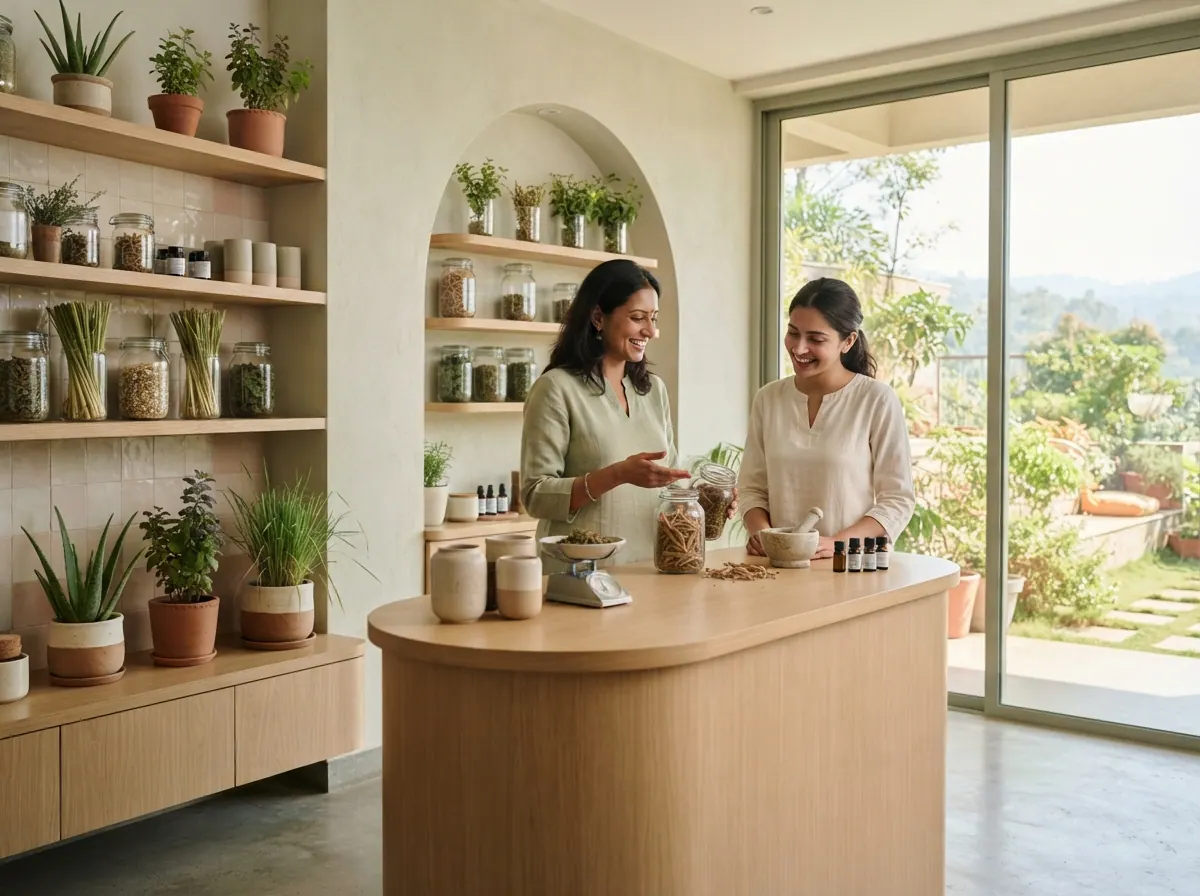
भारत में औषधीय और सुगंधित पौधों का फ़ार्म शुरू करने के लिए आपकी मिट्टी और पानी के हिसाब की फ़सल, बुवाई से पहले तय ख़रीदार, उपज सुखाने और रखने की जगह, और अश्वगंधा या एलोवेरा के लिए प्रति एकड़ लगभग ₹30,000–1 लाख चाहिए। अगर सुखाने का शेड या लेमनग्रास तेल की छोटी डिस्टिलेशन यूनिट बनाएँ तो ₹1–3 लाख और जोड़ें। कमाई कटाई पर एक साथ आती है, और जोखिम सिर्फ़ बारिश का नहीं, दाम का भी है।
यहाँ सारे आँकड़े अंदाज़े हैं। खर्च करने से पहले अपने इलाक़े के दाम ज़रूर देख लें।
इसकी लागत कितनी है?
| चीज़ (प्रति एकड़) | अश्वगंधा | एलोवेरा | लेमनग्रास |
|---|---|---|---|
| खेत की तैयारी और खाद | ₹6,000–10,000 | ₹10,000–15,000 | ₹8,000–12,000 |
| बीज या पौध | ₹1,000–3,000 | ₹15,000–40,000 | ₹6,000–15,000 |
| सिंचाई और निराई की मज़दूरी | ₹6,000–12,000 | ₹8,000–15,000 | ₹8,000–15,000 |
| कटाई, सुखाई और सफ़ाई | ₹6,000–12,000 | ₹6,000–12,000 | ₹6,000–12,000 |
| बोरे, ढुलाई, मंडी खर्च | ₹3,000–6,000 | ₹4,000–8,000 | ₹3,000–6,000 |
| प्रति एकड़ कुल | लगभग ₹25,000–45,000 | लगभग ₹45,000–90,000 | लगभग ₹35,000–60,000 |
लेमनग्रास तेल की छोटी डिस्टिलेशन यूनिट या रैक वाला छाया-सुखाई शेड ₹1–3 लाख और जोड़ सकता है। जब तक पक्का न हो कि चलाने भर की फ़सल होगी, इसे न बनाएँ।
कौन-सी फ़सल चुनें?
- अश्वगंधा: सूखी, हल्की मिट्टी में कम पानी में उगता है, लगभग पाँच-छह महीने में तैयार होता है, और ख़रीदार सूखी जड़ चाहते हैं। कम बारिश वाले इलाक़ों में यह अच्छी पहली फ़सल है।
- लेमनग्रास: बहुवर्षीय घास जो साल में कुछ बार कटती है। पत्ते तेल यूनिट को बेचे जा सकते हैं, या आप खुद तेल निकाल सकते हैं। जमने के बाद इसे ज़्यादा पानी नहीं चाहिए और जानवर इसे नहीं खाते।
- एलोवेरा: पत्ते लेने वाला प्रोसेसर या ख़रीदार चाहिए। उसके बिना आपके पास पत्तों का खेत होगा और कमाई नहीं।
पहले साल एक फ़सल और एक ख़रीदार चुनें। पहले ही सीज़न में पाँच फ़सलें मिलाने से आपकी सीख बँट जाती है।
कमाई कितनी हो सकती है?
यह दो एकड़ अश्वगंधा का हिसाब है, एक फ़सल, ठीक-ठाक साल में।
कटाई पर आमदनी
- उपज लगभग 3.5 क्विंटल सूखी जड़ प्रति एकड़ = 350 किलो प्रति एकड़
- 2 एकड़ × 350 किलो = 700 किलो
- लगभग ₹200 किलो पर = ₹1,40,000
खर्च
- 2 एकड़ × लगभग ₹25,000 = ₹50,000
मुनाफ़ा और महीने का हिसाब
- ₹1,40,000 − ₹50,000 = लगभग छह महीने के लिए ₹90,000
- ₹90,000 ÷ 6 = लगभग ₹15,000 महीना
अगर दाम ₹200 की जगह ₹120 किलो हो, तो आमदनी 700 × ₹120 = ₹84,000, और मुनाफ़ा ₹84,000 − ₹50,000 = ₹34,000, यानी लगभग ₹5,700 महीना। यही असली जोखिम है। अगर आप किसी को पैसे नहीं देते तो अपनी मेहनत वापस जोड़ें, और ध्यान रखें कि साल के बाक़ी आधे हिस्से में उसी ज़मीन पर दूसरी फ़सल भी हो सकती है।
शुरू करने से पहले क्या चाहिए?
- ख़रीदार, हो सके तो लिखित में। जड़ी-बूटी मंडी या प्रोसेसर के पास जाएँ। पूछें कि कौन-सा ग्रेड, नमी और दाम चाहिए, और क्या वे बाय-बैक पर दस्तख़त करेंगे।
- सही मिट्टी और पानी। अश्वगंधा को जलभराव पसंद नहीं। एलोवेरा को भी रुका पानी पसंद नहीं। लेमनग्रास ज़्यादा सह लेता है।
- सुखाने की जगह। जड़ और पत्ते साफ़ चादर पर छाया में सूखने चाहिए, बारिश में नहीं।
- ख़राब दाम वाले साल के लिए पैसा। फ़सल अच्छी हो सकती है और फिर भी दाम गिर सकता है।
कदम-दर-कदम
- अपने पास यह फ़सल उगाने वाले दो किसानों और एक ख़रीदार से मिलें। पूछें कि पिछले साल क्या मिला और क्या ग़लत हुआ।
- किस्म चुनें और बीज या पौध भरोसेमंद जगह से लें, जैसे राज्य का कृषि विश्वविद्यालय, कोई शोध संस्थान या भरोसेमंद नर्सरी। किस्म का नाम पूछें।
- गोबर की खाद से मिट्टी तैयार करें। सही मौसम में बोएँ या लगाएँ। अश्वगंधा आम तौर पर मानसून के साथ बोया जाता है।
- निराई करें और हल्का पानी दें। इनमें से कई फ़सलों के लिए ज़्यादा पानी, कम पानी से बड़ा जोखिम है।
- सही अवस्था में कटाई करें। ख़रीदार से पूछें कि कौन-सी अवस्था चाहिए। अश्वगंधा की जड़ें खोदें, लेमनग्रास सही ऊँचाई पर काटें, और एलोवेरा के पत्ते नीचे की तरफ़ से काटें।
- साफ़ करें, सुखाएँ और ग्रेड करें। ख़रीदार की नमी सीमा तक छाया में सुखाएँ और सूखी जड़ें साफ़ बोरों में ज़मीन से ऊपर रखें।
- अपने ख़रीदार को बेचें, और अगले साल के लिए दाम, वज़न और नमी का रिकॉर्ड रखें।
कौन-से लाइसेंस लगते हैं?
- उगाना: अपनी ज़मीन पर आम फ़सलों के लिए आम तौर पर लाइसेंस नहीं, पर कुछ जंगली या संरक्षित प्रजातियाँ नियंत्रित हैं। अलग तरह की प्रजाति लगाने से पहले वन या बाग़वानी दफ़्तर से पूछें।
- जैविक या क्वालिटी सर्टिफ़िकेशन: ख़रीदार कभी-कभी इसके लिए ज़्यादा देते हैं, पर इसमें पैसा और काग़ज़ लगता है। अर्ज़ी से पहले अपने ख़रीदार से पूछें।
- बेचना: मंडी में बिकने वाली उपज मंडी के नियमों से चलती है। अगर आप खुद प्रोसेस करके पैक करते हैं, तो और लाइसेंस लग सकते हैं, इसलिए खाद्य या आयुष लाइसेंस दफ़्तर से पूछें।
- सहायता: राष्ट्रीय औषधीय पादप बोर्ड और राज्यों के बाग़वानी मिशनों ने पहले औषधीय पौधों की खेती को मदद दी है। नियम और रक़म बदलते रहते हैं, इसलिए ज़िले के बाग़वानी दफ़्तर से पूछें कि अभी क्या चालू है।
- टैक्स: अपनी बिक्री पर टैक्स कैसे लगेगा, CA से पूछें।
क्या गड़बड़ हो सकती है?
- ख़रीदार नहीं मिलना। सबसे आम असफलता। अच्छी फ़सल जिसे कोई न ख़रीदे, बस जड़ों का ढेर है।
- दाम का गिरना। एक साल ऊँचा दाम मिले तो सब लगा देते हैं, और अगले साल दाम गिर जाता है।
- कटाई या सुखाई में बारिश। गीली जड़ों में फफूँद लगती है, और फफूँद वाला माल लौटा दिया जाता है।
- ग़लत प्रजाति या ख़राब बीज। अनजान जगह का बीज कमज़ोर पौधे दे सकता है।
- ज़्यादा पानी। इन फ़सलों के लिए सूखे से बड़ा क़ातिल जड़ सड़न है।
- आमदनी के लिए लंबा इंतज़ार। एलोवेरा और लेमनग्रास की पहली कटाई में महीनों लगते हैं।
ये हालात आपके सामने आएँगे
आप क्या करेंगे? हर फ़ैसले की एक क़ीमत है।
शुरुआत
Your land is dry and light with a borewell that runs low in summer. A video says aloe pays the most.
- Plant ashwagandha first: Low water, buyer needed
- Plant aloe vera: Costly plants, no buyer yet
A herbal company agent offers a buy-back agreement at a fixed low price. A mandi trader promises more but nothing in writing.
- Sign the buy-back: Safe sale, lower price
- Trust the mandi trader: Higher hope, no promise
A seller at a fair offers ashwagandha seed at half the price of the agriculture university. They give no variety name.
- Buy from the university: Costs more, known variety
- Buy a small lot as a trial: Cheap, weak plants risk
A soil lab charges a small fee. Your neighbour says they never test and their land is fine.
- Test the soil first: Small fee, better manuring
- Skip the test: No fee, guess the manure
Early showers fell and your neighbour has sown. The weather office warns of a dry spell next.
- Sow with the first rain: Early crop, dry spell risk
- Wait for the steady rains: Safer, shorter season
Harvest is five months away. A simple shade shed with racks costs money now, and an open yard costs nothing.
- Build a small shed: Costly, dry safe roots
- Plan to dry on sheets: Cheap, weather risk
पहला महीना
Two weeks after sowing, only a third of the field has sprouted. Seed was sown a little deep.
- Resow the gaps: Seed and labour, fuller field
- Leave it as it is: No cost, lower yield
After a week of rain, weeds are taller than the young plants. Labour is busy in other farms.
- Hire extra labour now: Costly, clean field
- Do it yourself slowly: No cost, delayed growth
You watered every day because the plants looked small. Now leaves are yellowing and a few plants are wilting.
- Stop and drain the field: Effort, plants recover
- Add more fertiliser: Cost, may worsen root rot
Stray cattle keep pushing into your field at night. Aloe and lemongrass are safe but ashwagandha is not.
- Fence with wire: Costly, lasting fix
- Hire a night watchman: Wages, only for the season
A district horticulture officer offers to inspect your field and talk about the National Medicinal Plants Board support.
- Invite them, keep notes: Time and a meal, useful advice
- Skip the visit: No time lost, no advice
रोज़ का काम
The buyer's quality man says your dried roots hold too much moisture and offers a price cut or two more days of drying.
- Dry two more days: Wait, keep the price
- Accept the price cut: Quick sale, lower money
A sudden shower hits sheets of freshly dug roots. You have no covered space.
- Rent a covered hall: Cost now, roots stay clean
- Cover with plastic sheets: Cheap, risk of sweating
Everyone harvested together and the mandi price is low. You can hold the crop for a few months.
- Hold for a better price: Storage cost, price may not rise
- Sell now to the buyer: Quick cash, lower price
The grass is tall enough to cut. The oil unit is 30 km away and pays by weight.
- Cut and carry to the unit: Transport cost, earn now
- Wait for thicker growth: Better weight, waits longer
A processor will take aloe leaves at a fixed rate per kilo if you cut and bring them cleanly.
- Supply the processor: Steady rate, cutting labour
- Sell to a local trader: Easy pickup, lower rate
Several farmers want to buy slips or seed from your field. It brings cash but adds growers selling to your buyer.
- Sell planting material: Cash, more local supply
- Keep it for expansion: No cash, grow your own area
After ashwagandha, the plot stays empty. A short vegetable crop could use it, or you can rest the soil.
- Grow a short crop: Seed and labour, extra income
- Rest the land: No cost, no extra income
All your ashwagandha is ready in one week and labour is scarce. Roots left in wet soil can rot.
- Pay higher daily wages: Costly, dug on time
- Dig in stages over weeks: Cheaper, some rot risk
जब मुश्किल आए
The trader who took your whole lot says money will come after they sell. It has been six weeks.
- Send a legal notice: Fee, strain with buyer
- Keep waiting politely: No cost, money stuck
Plants in the low corner are wilting and roots are brown and soft. Water collects there after rain.
- Dig drains, remove plants: Costly, saves the rest
- Ignore it for now: No cost, rot may spread
No rain for five weeks, and the borewell is giving little. Young plants are drooping.
- Buy water by tanker: Costly, saves the crop
- Water only the best rows: Cheaper, lose some plants
Wild boar dug up a fifth of the roots at night. The forest department can compensate only after a long process.
- Build solar fencing: Costly, lasting fix
- Apply and wait for relief: Paperwork, uncertain money
A buyer has rejected a lot because roots were stored damp and smell of mould. You must take it back.
- Discard the mouldy portion: Lose that lot, clean record
- Sell the remainder, report truthfully: Lower price, honest
A seminar seller offers expensive saplings and says buyers are waiting. You have no proof of any buyer.
- Ask for the buyer's contract: Time lost, saves money
- Buy a small trial lot: Money spent, unknown buyer
बढ़ाना
Your first crop sold well to the buyer. They ask for twice the quantity next year, but want fixed quality.
- Plant double the area: More cost, bigger income
- Add half an acre: Careful growth
A fabricator offers a small unit for distilling lemongrass oil. Oil sells for more than leaf but needs steady fuel and buyers.
- Buy the unit: Large spend, higher value
- Keep selling leaf: No spend, lower value
A buyer says organic roots earn a better price, but certification costs fees and records for three years.
- Apply for certification: Fees now, premium later
- Stay conventional: No fees, normal price
Six neighbours want to sell together to get a better price from the herbal company. It needs trust and shared costs.
- Lead the group: Time and cost, better rate
- Sell on your own: Simple, weaker bargaining
A herbal shop asks for cleaned, cut and packed roots. Packing earns more per kilo but needs licences and records.
- Start cleaning and packing: Setup cost, higher price
- Sell raw to the processor: Easy, lower price
क्या यह आपके लिए सही है?
औषधीय पौधों की खेती आपके लिए ठीक है अगर आपके पास सूखी या कम लागत वाली ज़मीन है, बुवाई से पहले ख़रीदार ढूँढ सकते हैं और एक ख़राब दाम वाला साल झेल सकते हैं। अगर आपको पक्की मासिक आमदनी चाहिए, या आप सिर्फ़ इसलिए लगाना चाहते हैं कि किसी वीडियो ने ऊँची कमाई का वादा किया, तो यह कम सही है।
एक अच्छी परीक्षा: पहले आधा एकड़ उगाएँ, ऐसे ख़रीदार को बेचें जिससे आप मिल चुके हैं, और अपनी असली लागत और दाम लिखें। अगर आँकड़े टिकें, तो अगले सीज़न बढ़ाएँ।