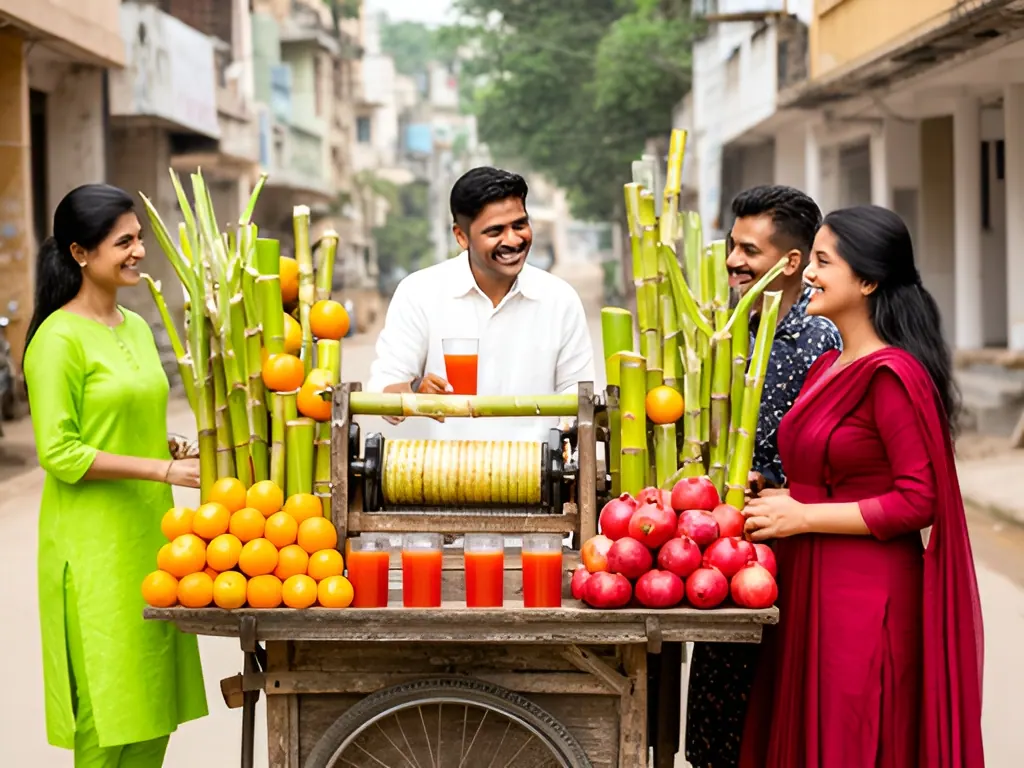
The best seasonal business ideas in India follow the weather: juice, sugarcane and ice cream in summer (April–June), chai, hot snacks and wedding services in winter (November–February), and repair and indoor services in the monsoon. The catch is the off-season. A sugarcane cart's volume roughly halves outside summer (Outlook Business), and a street softy cart can sell 60% less in winter. A seasonal business only works if you plan for the slow months as carefully as the busy ones.
This guide shows which businesses rise and fall with each season, by how much, and how owners smooth out their income across the year.
Summer business ideas (March to June)
Summer is the best season for anything cold. North and central India see the strongest peak. South and coastal cities are flatter.
Juice stalls and sugarcane carts
A Sugarcane juice business cane cart is low-capex (a push cart with a crusher is about ₹75,000 in our guide) with a very high gross margin, about 70–80%, because cane costs only ₹3–5 a glass. A busy Hyderabad cart sold around 300 glasses a day (Deccan Chronicle, 2018).
What to know:
- Heatwaves help. Heatwave days above 42°C add an estimated 20–50% over a normal summer day.
- Unseasonal rain hurts. A rainy day can cut sales 30–60% (estimate). Beverage companies' April–June 2025 quarter was hit by unseasonal rain (Business Standard).
- Fruit is dearest when demand is highest. Mosambi at Delhi's Azadpur market was ₹44/kg in May 2026 against ₹25–31 in July–September.
- Rotate the menu: mango shakes from April to July, watermelon in peak heat, mosambi and orange in winter.
- Ice is the hygiene risk. Use ice made from purified water. Food-safety teams check juice stalls in summer.
Many North Indian cane vendors work only about four months a year. In Pune, migrant vendors come from Marathwada for the summer and go home after it (India Water Portal).
Try it free in the simulator: Sugarcane juice business
Run a realistic week of this business in 5 minutes before you invest a rupee.
Try it free in the simulator →Ice cream parlours and kulfi carts
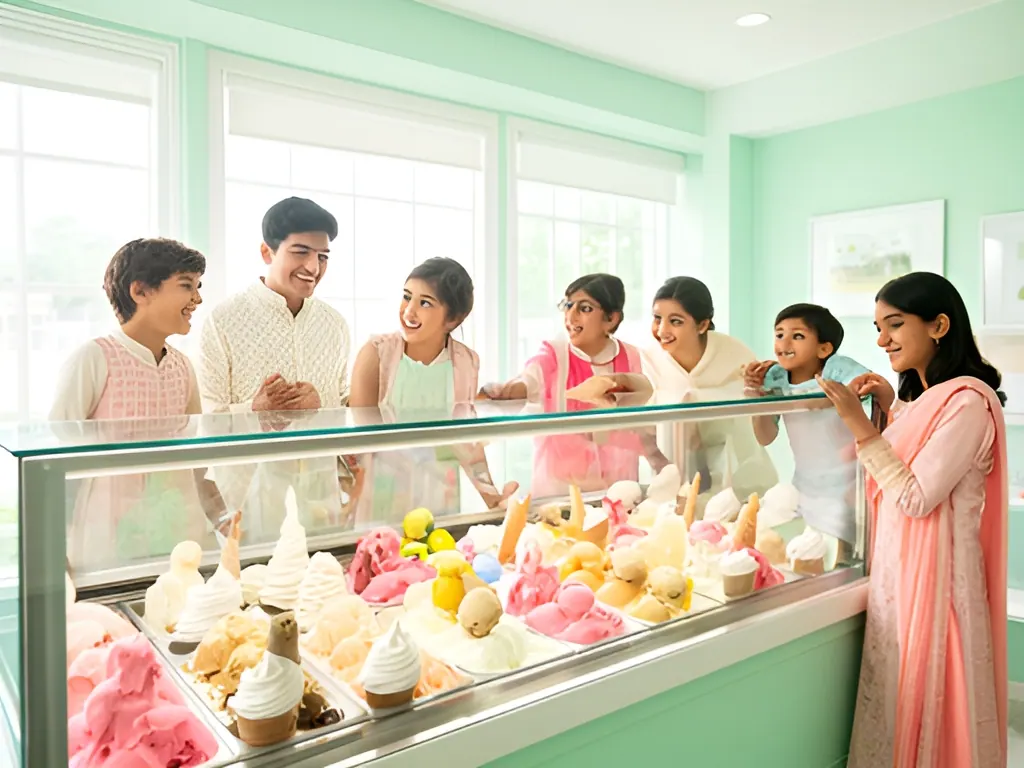
An Ice cream parlour parlour makes its year from April to June, with an estimated 1.6–2 times its annual average weekly sales. Kwality Wall's reported organic sales up 16.6% in April–June 2026 (Agro & Food Processing). Then:
- July–August "just covers costs." A rainy day may bring around 30 cups against 80–100 bills on a normal day (Petpooja).
- Winter is harsh. A Jaipur softy cart sold 150 cones a day in May but only 35–40 in December. Kulfi drops about 30%. Mall gelato drops only 15–20% (Petpooja).
- Electricity rises in summer, by an estimated 30–50%, just when the freezers work hardest.
- Launch in February. That gives about five good months before the monsoon. A March launch gives four.
Other summer winners
- Dairy: curd, lassi and chaas sell an estimated 50–100% more, though crossbred cows give less milk in extreme heat. See Dairy farm.
- Medical stores: ORS and stomach-upset medicines rise an estimated 20–50%.
- Stationery: the April–June school reopening brings 30–45% of a Stationery shop shop's annual revenue.
Monsoon: who loses and who gains (June to September)
The monsoon is the season that catches first-time owners off guard. Rain cuts footfall for open-air businesses but creates demand for others.
Businesses that lose in the rain
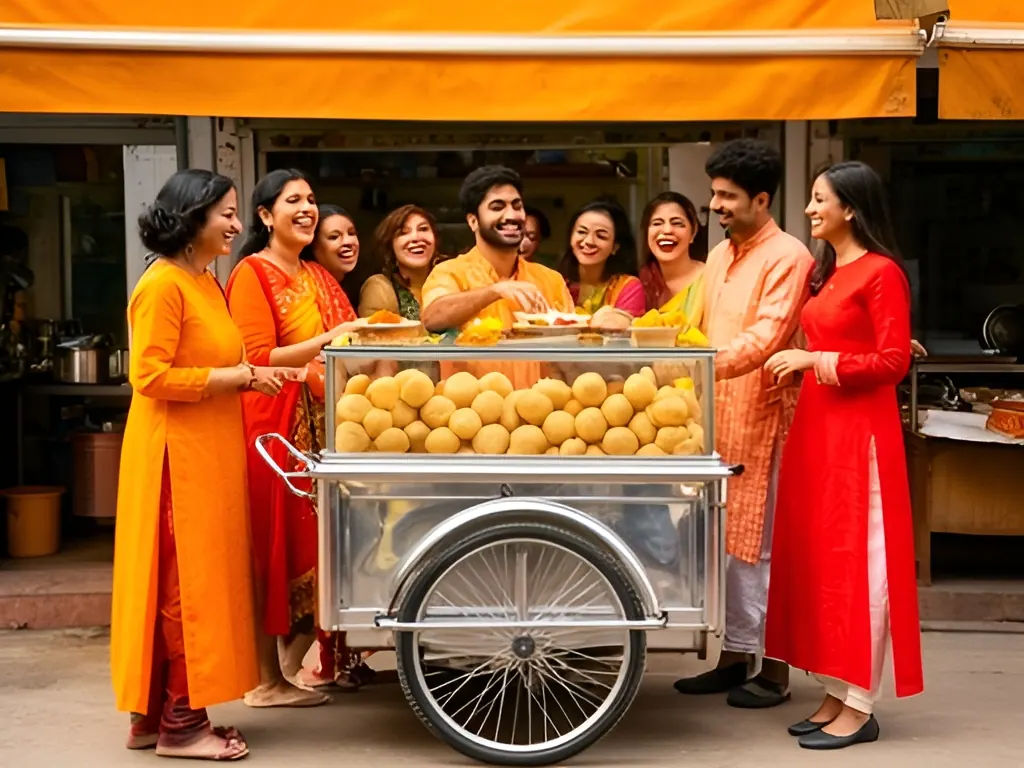
- Street food and open carts. On rain days a Street food stall stall sells an estimated 40–70% of normal, and pani puri drops 15–35%. Monsoon also brings illness scares. In July 2022, Telangana's Director of Public Health blamed rising typhoid on pani puri and urged people to avoid street food in the rains (The South First). Health advisories warn that vendors reuse water and oil in the monsoon (ETV Bharat, 2026). A clean, covered stall with fresh water is your best answer to a scare.
- Exterior car washes. A Car wash sees exterior washes fall to an estimated 0.5–0.7 times normal, and down to about 0.2 on a very heavy rain day. Demand for interior cleaning rises 1.2–1.5 times because of mould and smells, and steam interior cleaning sells at ₹400–1,000 (OkCredit). Washes that offer interiors and underbody cleaning ride out the season better (Bonafide Research).
- Salons, bakeries and kirana see 10–30% lower footfall on rainy days. Bakeries also face 1.5–2 times more bread mould wastage.
Businesses that gain in the rain
- Mobile repair. Water-damage jobs rise an estimated 2–4 times, and total repair work rises 10–25%. Cashify names water damage as one of the main causes of smartphone damage in India (MySmartPrice). vivo ran a "Monsoon Service Care" offer from 1 August to 15 September 2026 with free liquid-damage labour, which shows how predictable the spike is (vivo). See the Mobile repair shop guide.
- Food delivery. Heavy rain lifts cloud-kitchen orders by an estimated 15–30%, until flooding stops deliveries altogether.
- Covered chai stalls. A covered stall can sell 1.1–1.3 times normal on rainy days, while an open cart drops to 0.6–0.8.
- Medical stores see acute illness sales up 15–30%, with dengue season running from September to November.
- Footwear shops sell chappals and rain footwear.
Winter business ideas (November to February)
Chai and hot snacks
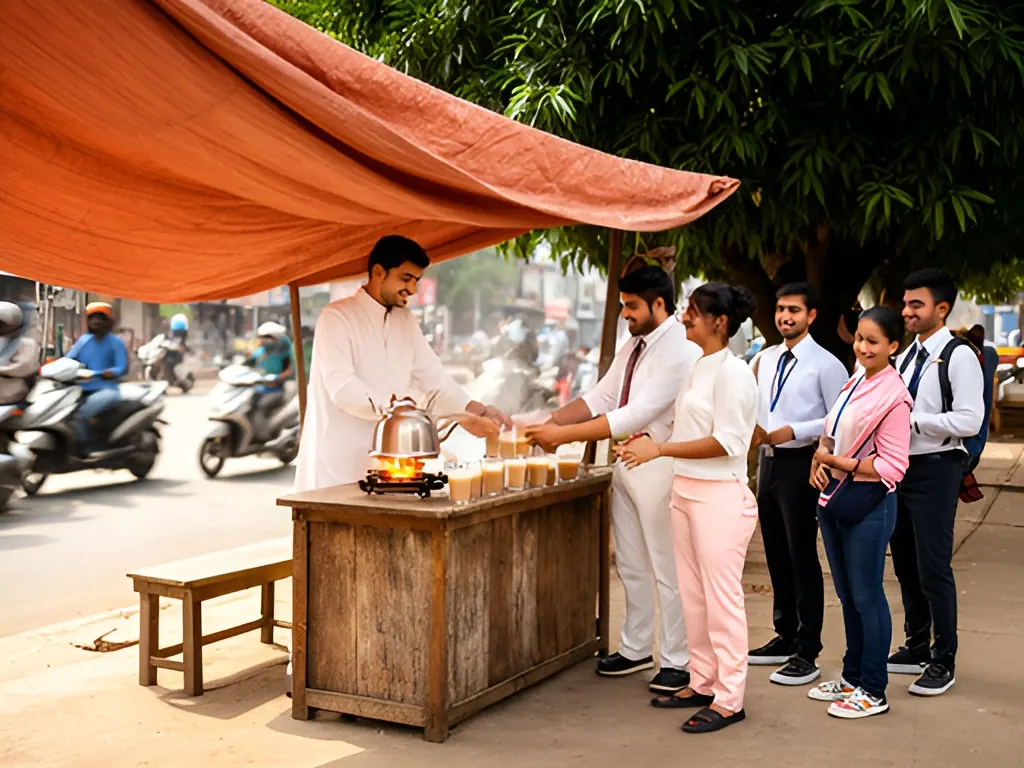
In North India, Chai business demand in winter runs an estimated 1.4–1.8 times the summer level, while summer drops to 0.7–0.85. One Delhi vendor's earnings nearly doubled in winter, from about ₹300–400 a day to about ₹700, though that report is old (The Peninsula, 2014). Momos and rolls sell an estimated 10–25% more in the North.
Weddings, cakes and New Year
- Wedding season: salons see an estimated 1.4–2 times normal, and 3–5 times on muhurat days. Caterers earn 40–50% of their year between November and February.
- Christmas and New Year: bakeries sell 2–4 times more cakes around Christmas, especially in Kerala, Goa, the North-East, Kolkata and Bengaluru. Cloud kitchens see 2.5–3 times normal orders on New Year's Eve.
- Dairy: winter is the "flush" season, with milk supply up 30–40%, so prices soften.
Winter losers
Juice and ice cream are the obvious ones. In Delhi, UP and Punjab, a cane cart may run at only 10–30% of peak, and many shut from December to January.
| Business | Setup from | Typical shop: setup | Typical shop: profit a month (tier 2 city) |
|---|---|---|---|
| 🥤 Sugarcane juice business | ₹75,000 | ₹75,000 | ₹17,500–₹47,500 |
| 🍨 Ice cream parlour | ₹1.5 lakh | ₹8 lakh | ₹8,500–₹30,500 |
| ☕ Chai business | ₹25,000 | ₹60,000 | ₹55,000–₹1.1 lakh |
| 🚿 Car wash | ₹1 lakh | ₹6 lakh | ₹20,000–₹25,000 |
| 🥟 Street food stall | ₹50,000 | ₹50,000 | ₹35,000–₹90,000 |
| 📱 Mobile repair shop | ₹45,000 | ₹1.5 lakh | ₹24,000–₹69,500 |
| 🍱 Tiffin service | ₹40,000 | ₹1 lakh | ₹17,500–₹30,500 |
| ✏️ Stationery shop | ₹1.8 lakh | ₹4 lakh | ₹13,000–₹60,500 |
How to smooth income across the seasons
Seasonal swings don't make a business bad. They make it different to plan. These are the approaches that work in the research:
- Run two menus from one setup. A juice stall that switches to hot drinks, soup or chai in winter keeps the same spot, the same customers and the same helper. An ice cream parlour can add shakes, hot chocolate or snacks.
- Pick a location that dampens the season. Mall gelato loses 15–20% in winter, against 60%+ for a street softy cart. A covered stall beats an open cart in the rain.
- Add a steady line. Subscription businesses barely notice the weather. A Tiffin service service or a Tuition centre batch next to a seasonal stall gives you a floor income. A milk delivery round is similar.
- Keep a cash buffer. Our ice cream research suggests holding two months of operating costs, about ₹2.7–4.5 lakh for a tier-2 parlour, before the off-season starts. A smaller cart still needs a few weeks of rent and wages set aside.
- Time your launch. Open a summer business in February, a chai stall in September or October, and a stationery shop before April.
- Cut fixed costs in the off-season. Some softy carts simply shut from November to February. That is better than paying a helper and rent for weeks of losses.
- Use the slow months. Service equipment, train staff, fix your menu and build WhatsApp lists for the next peak.
Try before you invest
It is hard to feel a season from a spreadsheet. In BizGame's free simulator, you can run a Sugarcane juice business stall or Ice cream parlour parlour through a whole year and watch April's profits meet December's losses. You can also try switching menus, adding staff for the peak or closing for the winter. It is a learning game, not a way to earn money, but it teaches the rhythm of a seasonal business before you put savings into one.
Try it free in the simulator: Ice cream parlour
Run a realistic week of this business in 5 minutes before you invest a rupee.
Try it free in the simulator →