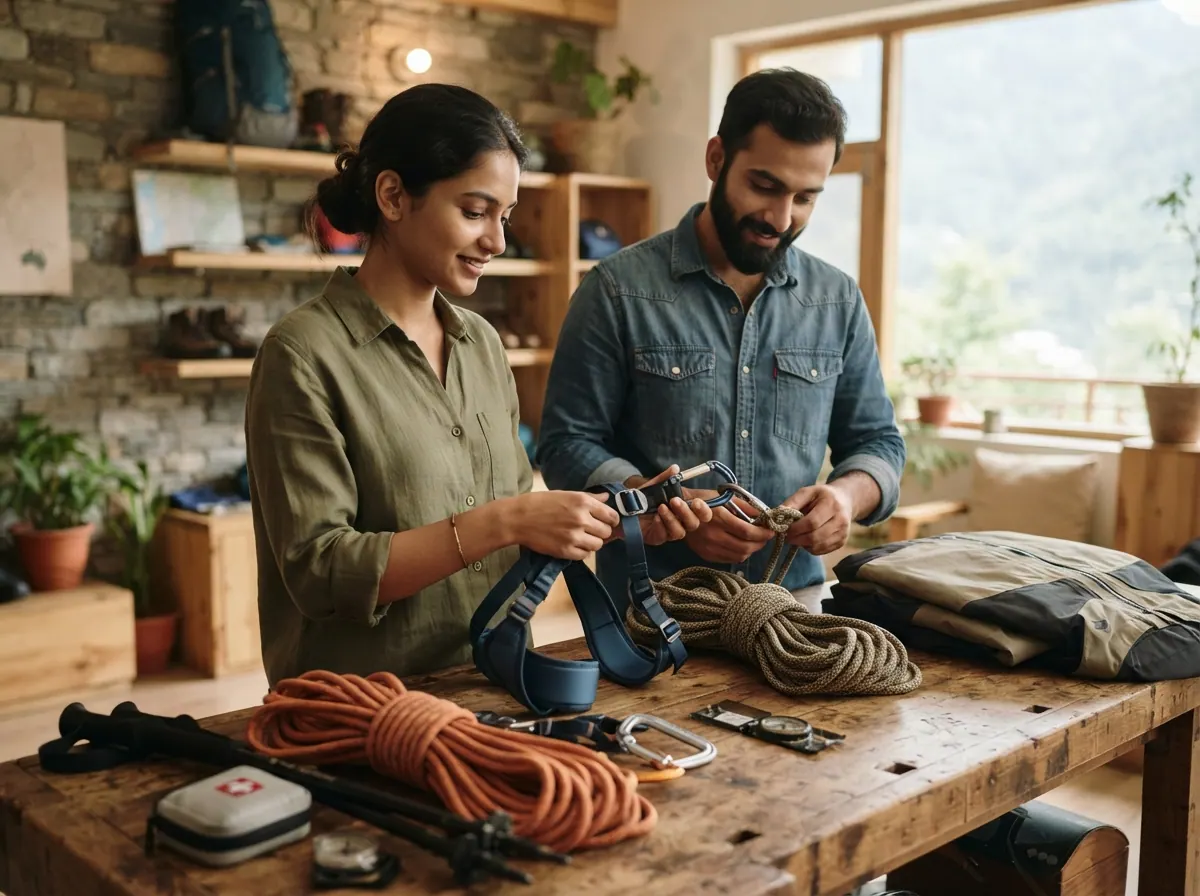
To start a tour and travels business in India you need a few routes you know well, reliable vehicle and stay suppliers, a trained trip leader, a first-aid kit, and about ₹1–2 lakh for weekend trips with rented vehicles or ₹3–5 lakh if you also buy tents and trek gear. You earn from the gap between what each traveller pays and what the trip costs you, so the number of full seats on each trip decides your profit.
All figures here are estimates. Check prices near you before you spend.
What does it cost?
| Item | Weekend and day trips | Trekking operator with gear |
|---|---|---|
| Registration and GST | ₹10,000–20,000 | ₹15,000–30,000 |
| Website, photos, social media | ₹20,000–40,000 | ₹35,000–60,000 |
| Tents, sleeping bags, stoves, kitchen gear | none (rent) | ₹1.1–1.7 lakh |
| First-aid, radios, safety kit | ₹15,000–30,000 | ₹40,000–70,000 |
| Advances to hotels and vehicles | ₹30,000–60,000 | ₹40,000–80,000 |
| Insurance and guide training | ₹10,000–25,000 | ₹20,000–40,000 |
| Cash for the first months | ₹15,000–30,000 | ₹40,000–70,000 |
| Total | about ₹1–2 lakh | about ₹3–5 lakh |
The advance to suppliers is easy to miss. Hotels and vehicle owners often want money before the trip, while some travellers only pay a small booking amount in the beginning.
What kind of trips will you sell?
- Weekend trips from a city. Bus or tempo traveller trips to a hill station, fort, waterfall, beach or temple a few hours away. Fast to fill and easy to repeat.
- Treks. Multi-day treks need guides, tents or stays, permits, and a clear plan for bad weather and altitude.
- Family and group tours. Customised trips for families, offices and schools, where you quote a price for the group.
- Pilgrim and festival tours. Fixed dates and demand, but a lot of arranging.
Choose routes you have travelled yourself. A reader cannot tell the difference, but your travellers can the moment something goes wrong.
How much can it earn?
Take a weekend trip operator running four trips a month.
One weekend trip with 12 travellers
- Income: 12 × ₹3,500 = ₹42,000
- Tempo traveller hire = ₹14,000
- Stay: 12 × ₹700 = ₹8,400
- Food: 12 × ₹500 = ₹6,000
- Trip leader = ₹3,000
- Entry fees and small costs = ₹1,500
- Trip cost = ₹32,900
- Profit on the trip: ₹42,000 − ₹32,900 = ₹9,100
Over a month
- 4 trips × ₹9,100 = ₹36,400
- Marketing = ₹8,000, phone and software = ₹2,000, one part-time helper = ₹10,000, which is ₹20,000
- Left over: ₹36,400 − ₹20,000 = about ₹16,400 a month
If only 8 travellers join, income is ₹28,000 and costs are near ₹28,000, so you break even at best. The vehicle is a fixed cost, so empty seats hurt. Treks and bigger tours can earn more per trip, but one bad weather season or accident can cost more than a year of profit.
What do you need before you start?
- Routes you know. Roads, stays, food stops, weather, and what to do if a bus breaks down.
- A trusted vehicle supplier with proper documents and a driver who knows the route.
- Trained trip leaders. For treks, people with real experience and first-aid training, not just someone who loves hiking.
- A clear cancellation and refund policy in writing, so travellers know what to expect when weather or a landslide stops a trip.
- Insurance and emergency contacts. Know the nearest hospital and rescue contact on every route.
Step by step
- Do each route yourself first, noting stays, food, road timings, network and any risks.
- Choose a small set of routes and a fixed price per person with a clear list of what is included.
- Register the business and open a current account. Ask a CA about GST.
- Tie up with two suppliers for each service, so one cancellation does not stop a trip.
- Post your first trip with real photos and the leader's name, and keep the group small.
- Send a briefing the day before: meeting point, packing list, rules, emergency contact.
- After each trip, collect reviews and feedback, and check what went wrong.
Which licences apply?
- Registration and GST. Ask a CA about the business form and when GST applies to tour services.
- Vehicle rules. Passenger vehicles need the right permits. Use vehicle owners whose papers are in order, and ask the transport office what applies for tourist vehicles.
- Permits for treks and parks. Many treks, parks and forest areas need entry permits and sometimes registered guides. Ask the forest department and local tourism office.
- Adventure activity rules. Some states have registration or safety rules for adventure operators. Confirm with the state tourism department.
- Insurance. Ask an insurer what covers your travellers and your own liability.
What goes wrong?
- Empty seats on a trip you already paid for.
- Bad weather, landslides or closed roads, and travellers who want a full refund.
- A driver or vehicle problem on a hill road at night.
- A traveller who falls ill or gets hurt far from a hospital.
- Suppliers who change the price or cancel just before the trip.
- Too many unpaid bookings where travellers say they will pay later and then drop out.
Situations you will face
What would you do? Each choice costs something.
Getting started
Lonavala is close and easy to fill. A less known waterfall trail is more special but harder to sell.
- Pick the easy popular route: Fills fast, many rivals
- Pick the lesser known trail: Unique, slow to sell
Selling a trek you have not walked saves a weekend. A recce costs fuel, a stay and a day of work.
- Do the recce yourself: Costs money, safer trip
- Copy a rival's plan: Free, hidden surprises
A tempo traveller seats 12 and costs less. A mini bus seats 24, but needs twice the travellers to pay off.
- Hire the tempo traveller: Lower risk, small groups
- Hire the mini bus: Higher cost, bigger income
A two day course costs money, and your leader would miss a trip. Treks have real injuries.
- Send the leader to train: Costly, safer trips
- Carry a first-aid kit only: Cheap, less ready
Business registration and GST take a few weeks and fees. Some travellers ask for a proper invoice.
- Register first: Fees now, proper invoices
- Run the first trip, then register: Faster start, awkward bills
A homestay near the trek base offers a good rate if you pay the full amount two weeks before the trip.
- Pay the full advance: Lower rate, cash at risk
- Pay half and the rest later: Higher rate, less risk
Tents and sleeping bags for 15 people cost a lot. Renting is cheaper per trip, but depends on availability.
- Buy your own gear: Big cost, full control
- Rent for each trip: Cheaper, supply risk
First month
You posted a Coorg weekend trip two weeks ago. Only two people booked, and departure is in ten days.
- Run a limited discount: Fills seats, thinner profit
- Post photos and reviews: Free, slower effect
Good photos fill future trips. A photographer's fee eats into this trip's profit.
- Hire a trip photographer: Costly, good marketing
- Ask travellers to share photos: Free, uneven quality
Six of twelve travellers reach the pickup point forty minutes late. The hotel will release rooms at noon.
- Wait and shorten the plan: Fair to all, skip one stop
- Leave without the late ones: On time, angry customers
Many travellers feel sick on the winding road. The driver says stopping often will add an hour.
- Stop often and slow down: Slower trip, comfortable
- Keep going to save time: On schedule, unhappy group
Running it
The forecast shows heavy rain for the trek weekend. Fourteen people have paid and want to go.
- Postpone and offer a new date: Safe, hotel fees lost
- Switch to a safer short route: Keeps trip, smaller experience
On day two of a trek, a traveller feels dizzy and unwell. The group wants to push on for the summit.
- Descend with the traveller: Safe, group misses summit
- Let them rest and continue: Risky, may worsen
The driver has driven all day and says they feel sleepy. Travellers want to reach home tonight.
- Rest for the night and pay for rooms: Costly, safe road
- Bring a second driver by morning: Delay, extra driver cost
A college club wants a three day trip for 40 students at the lowest possible price, with payment after.
- Quote fair price, half in advance: Safer income, they may decline
- Agree to the low price: Big group, very thin profit
The forest office says the group permit will be ready only after the weekend. Travellers are booked.
- Reschedule and refund fees: Costly, honest
- Offer a different permitted trail: Keeps the trip, new plan
A traveller cancels with a fever. Your terms say no refund, but the seat can be resold.
- Refund after the seat resells: Fair, a bit slow
- Keep the full amount: Terms followed, unhappy person
A long weekend brings many enquiries, but vehicle and hotel prices have risen by a lot.
- Raise your trip price: Keeps margin, fewer bookings
- Keep the price, take less profit: More travellers, thin profit
A traveller posted that the stop for lunch was late and the bus was crowded, and claims it felt unsafe.
- Reply and fix the issue: Costs time, better trust
- Ignore the review: Free, bad impression stays
An insurer offers cover for each trek traveller at a small fee per head. Some travellers will not want to pay it.
- Include insurance in the price: Costs you, safer trips
- Make it optional: Price stays low, uneven cover
Your trek cook knows the route and keeps travellers happy. Before a big batch the cook asks for double pay.
- Pay a fair raise: Higher cost, steady meals
- Hire a cheaper cook: Lower cost, weaker meals
When things go wrong
Your lead guide leaves just before the busy season. Travellers book your trips because of that guide.
- Hire an experienced new guide: Higher wage, slow trust
- Lead the treks yourself: Free, risk of mistakes
On a trail, a traveller can no longer walk. The nearest road is two hours away.
- Arrange a rescue and hospital: Costly, safe care
- Ask the group to carry them: Cheap, risky for others
A hotel says it double sold the rooms, and you have 18 travellers arriving in two days.
- Book a pricier hotel, absorb the cost: Costly, group stays happy
- Split the group across stays: Cheaper, a messy trip
Five people cancel last minute. The vehicle and rooms are already paid for.
- Sell the seats at a discount: Recovers some money
- Run it with the empty seats: Full loss on those seats
A rival lists a similar Coorg trip for ₹1,000 less. You suspect they use smaller rooms and a cheaper vehicle.
- Stay at your price, show quality: Fewer bookings, loyal ones
- Match their price: Fills seats, thin profit
Landslides close roads for weeks and most trips get postponed. Your costs still run.
- Sell indoor workshops and day trips: Small income, extra work
- Wait for the roads to open: No work, cash drains
Growing
A firm wants a two day team trip for 30 people, with an invoice and payment in 30 days.
- Take the offsite: Good margin, slow payment
- Ask for half payment first: Safer, they may refuse
Repeat travellers want an international trek. It means passports, border rules and a partner abroad.
- Work with a local partner: Shared margin, safer
- Stay with Indian trips: Familiar, less growth
Renting costs more each year. A used tempo traveller needs a big loan, a driver and yearly upkeep.
- Buy a used vehicle: Big loan, lower trip cost
- Keep hiring vehicles: Flexible, higher cost per trip
Is it right for you?
A tour and travels business suits you if you love planning routes, stay calm when plans change, and care about people's safety more than a single booking. It suits you less if you dislike weekends and late nights, or if you cannot handle complaints when things go wrong.
A good test: organise one trip for ten friends or colleagues, price it honestly, and note every cost and every problem. If you earn something, would do it again and your friends join again, you can try a public trip.