To start a pet shop in India you need a registered, clean shop near housing societies, a mix of food and accessories as your base, safe housing for any live animals, and about ₹2.5 lakh for a small shop or ₹9–10 lakh for a larger one. Food brings customers back every month. Accessories and aquarium items bring the better margins.
All figures here are estimates. Check prices near you before you spend.
What does it cost?
| Item | Small shop | Larger shop |
|---|---|---|
| Pet food and treats (dog, cat, bird, fish) | ₹70,000 | ₹2.5 lakh |
| Accessories (leashes, beds, bowls, toys, grooming items) | ₹40,000 | ₹1.5 lakh |
| Aquariums, filters, heaters and fish | ₹30,000 | ₹1.2 lakh |
| Cages and housing for small live pets | ₹25,000 | ₹1.5 lakh |
| Shelving, counter, lights | ₹25,000 | ₹80,000 |
| Signboard, billing, GST set-up | ₹10,000 | ₹30,000 |
| Rent advance (deposit) | ₹30,000 | ₹1 lakh |
| Cash kept for the first months | ₹20,000 | ₹60,000 |
| Total | about ₹2.5 lakh | about ₹9.4 lakh |
Live animals are the costliest and riskiest part. A shop with only food and accessories can still earn well and carries far less risk. Start with supplies and add live fish or birds only after you know the rules.
How much can it earn?
Here is a shop doing about ₹3 lakh of sales in a month. This is an illustration, not a promise.
Gross margin
- Sales: ₹3,00,000
- About 25% blended margin (low on branded food, higher on accessories and aquarium items): ₹3,00,000 × 0.25 = ₹75,000
Costs each month
- Rent = ₹18,000
- One helper = ₹10,000
- Electricity for tanks and lights = ₹5,000
- Vet help, fish losses and expired stock = ₹5,000
- Delivery fuel = ₹3,000
- Total = ₹41,000
Left over: ₹75,000 − ₹41,000 = about ₹34,000 a month.
A bag of branded dog food may leave only a few rupees per kilo, but the same customer returns every month and buys a collar or toy too. The shop's profit depends on repeat customers more than on one big sale.
What do you need before you start?
- A location with pet owners. Near apartments and housing societies with many dog and cat owners.
- Distributors for food brands. Ask which brands your area buys, and how they handle returns.
- A vet you can call. A nearby vet is a trust builder, and can advise on animal care and food.
- Registration. Check the animal welfare rules for pet shops before you buy any live animal.
- Honest knowledge. Learn the basics of dog and cat food, aquarium care and cage size so you can say no to a bad sale.
Step by step
- Visit three pet shops and write down what they stock on day one, and what rows look empty by the end of the month.
- Choose a shop near homes, with space for a few large food bags and a door that stays clean.
- Open accounts with 2–3 food distributors, and one accessories wholesaler.
- Ask the State Animal Welfare Board about pet shop registration if you plan to keep any live animals.
- Start with supplies. Add aquarium items only after you can maintain tanks well.
- Build a repeat base: note customers' dog or cat breed and food brand, and call when stock arrives.
- Offer home delivery of food bags in your colony. Many owners prefer it.
Which licences apply?
Confirm each with your local office:
- Shop and establishment registration with the municipality or labour department.
- GST where your sales cross the limit, or for buying on tax invoices.
- Pet shop registration. Pet shops are covered by animal welfare rules, and shops that keep live animals usually need registration with the State Animal Welfare Board. Check the current rules and conditions.
- Protected species. Wild and protected animals cannot be sold. Never accept them from a trader.
- Selling puppies and kittens has its own conditions, so ask the board before you consider it.
What goes wrong?
- Expired or damp food. Bags stored in monsoon damp can grow mould and make pets sick.
- Sick fish or birds. A tank crash or a sick bird costs money and reputation.
- Power cuts. Aquarium pumps stop and fish can die in hours.
- Online price pressure. Branded food is cheaper on apps, and customers compare.
- Customers return animals. Buyers sometimes change their minds after a week.
- Neighbour complaints. Birds, barking or smell can bring complaints.
Situations you will face
What would you do? Each choice costs something.
Getting started
Premium dog food has a name owners trust but a thin margin. Economy bags sell to more people at a lower price.
- Stock premium brands: Costly, trusted by owners
- Stock economy bags: Cheaper, more price buyers
A fish tank section draws children and gifts, but needs filters, daily care and a good supplier.
- Add a small fish section: Spend, more footfall, more care
- Start with supplies only: Lower risk, quieter shop
A registered breeder charges more but ships healthy stock. A trader offers a cheap mixed lot with no history.
- Buy from the breeder: Dearer, healthier fish
- Buy a smaller lot from them: Less range, lower risk
Customers keep asking for puppies. Rules for selling them are strict, and a mistake can cost your registration.
- Do not sell puppies: Safe, lose some visits
- Link buyers to a registered breeder: Small effort, goodwill
A local vet will sit in your shop on Sundays for a share of fees. It brings owners, but needs a clean corner.
- Set up the vet corner: Cost, trust and footfall
- Only share the vet's number: Free, weaker bond
A shop beside a big housing society has pet owners at the door. A market shop has more passers-by but fewer pet owners.
- Rent near the society: Right buyers, medium rent
- Rent in the market: More visitors, high rent
Pet shop registration with the welfare board needs forms and a visit. You could open now with only supplies.
- Finish registration first: Fees and delay, safe later
- Open with supplies, apply in parallel: Faster, no live animals yet
First month
An owner says their dog vomited after eating food bought from you. The bag is well within date.
- Pay the vet fee, check batch: Cost now, trust earned
- Offer a new bag only: Cheaper, owner may stay doubtful
Six fish in your new tank died overnight. The water was not settled before the fish were added.
- Test the water, restock slowly: Loss and patience, better tank
- Restock fish straight away: Quick, risk of repeat
Owners ask to buy one or two kilos from a big bag. Open bags can go stale or pick up damp.
- Sell sealed packs only: Hygienic, fewer small buyers
- Pack small sealed portions: Costs bags, keeps buyers
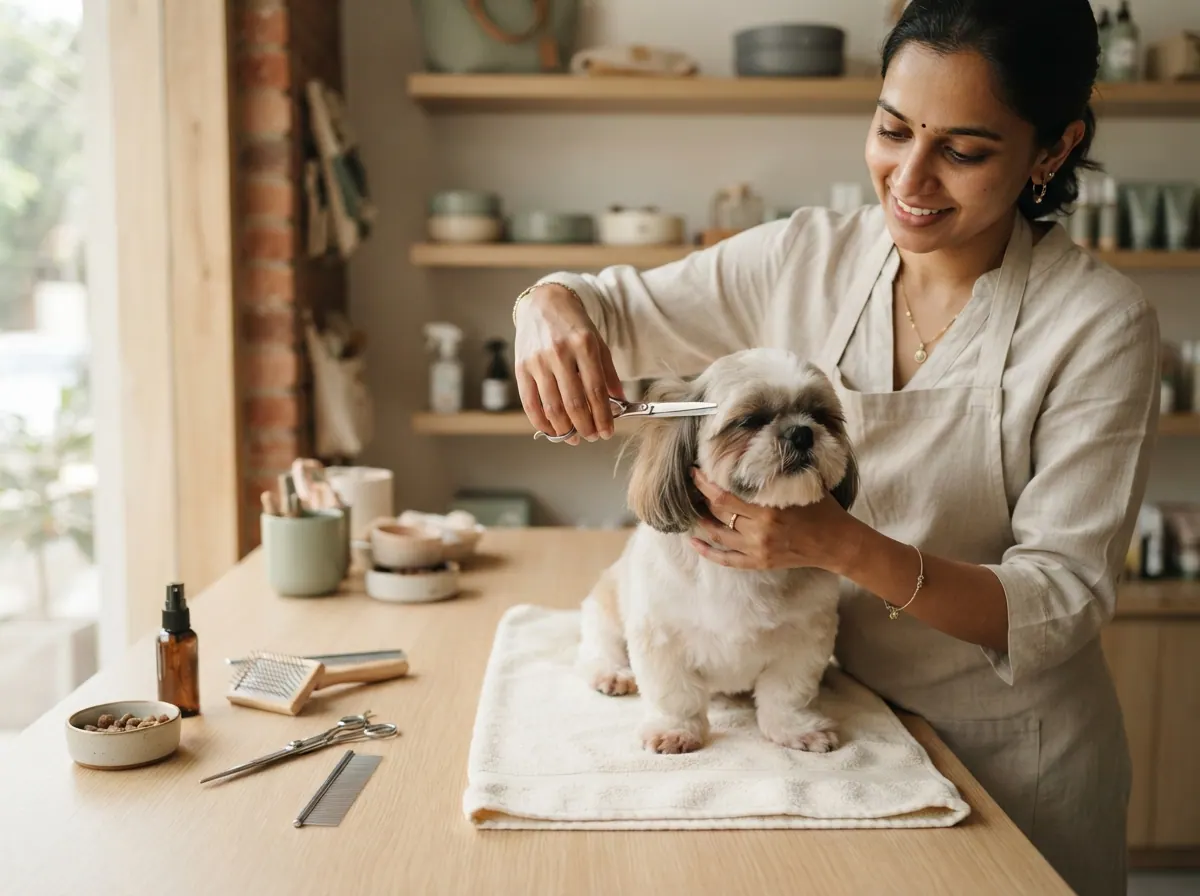
Many customers want bathing and trimming. A trained groomer and a table cost money before the first booking.
- Hire a groomer part-time: Spend, extra income
- Refer them to another shop: No spend, lose some visits
A customer shows you a big bag of branded food that costs less online than your buying price.
- Match with a small gift: Lose margin, keep buyer
- Hold your price: Keep margin, lose the sale
Ladies in the society want 10 kg bags carried to their door. A delivery boy and a bike cost money.
- Offer free delivery over ₹800: Fuel and wages, loyal buyers
- Charge ₹30 per delivery: Covers cost, fewer takers
Running it
Regular owners ask for a standing monthly delivery of the same food at a small discount.
- Start the monthly plan: Steady sales, thin margin
- Keep selling at counter: Better margin, uncertain sales
The monsoon brings ticks and fleas. Collars, sprays and shampoos sell fast, but stock must be bought early.
- Stock tick and flea products: Spend, strong season sales
- Order small, add if needed: Light stock, may run out
Regular owners ask for bathing and trimming. A tub, table and dryer cost money, and water must be managed.
- Build the grooming station: Costly, steady side income
- Skip it for now: No spend, lose some owners
An animal rescue group asks for bulk dog food at a low rate and says it will pay in two weeks.
- Sell at a small margin: Big sale, goodwill
- Ask for half in advance: Safer, may reduce goodwill
Customers ask for large cages and play stands. They are bulky and need floor space.
- Stock a few large cages: Space and cash tied
- Order on request only: No stock risk, slower sale
A clinic and a restaurant want monthly aquarium cleaning. It needs a trained person and a regular visit.
- Take the contracts: Steady money, travel time
- Only sell the equipment: No extra work, no extra income
A rescue group offers to hold an adoption day outside your shop. You pay for the tent and snacks.
- Host the event: Cost, goodwill and footfall
- Skip the event: No cost, no visibility
A top food brand offers better rates and a free display if you buy 40 bags at a time.
- Take the 40-bag order: Cash locked, better margin
- Keep smaller orders: Safer, thinner margin
When things go wrong
One bird in the cage is puffed up and sits at the bottom. Two buyers are waiting to take birds home.
- Isolate it and call the vet: Fee and no sale, birds safer
- Close the section briefly: Lost sales, safest for all
A long outage has stopped the aquarium pumps. Fish are gasping near the surface.
- Buy a small inverter now: Costly, protects the fish
- Use battery air pumps: Cheaper, covers only a few tanks
A buyer returns a set of fish after a week, saying the children lost interest. The fish look healthy.
- Take them back at half price: Lose money, goodwill kept
- Refuse returns on live fish: No loss, a sour buyer
Birds chirp early and dogs bark from grooming customers. The neighbour has told the society office.
- Soundproof and shift cages: Cost, fewer complaints
- Apologise and carry on: Free, complaint may return
Officials ask to see your registration and records for the animals in your shop. The logbook is incomplete.
- Fix records and train staff: Time and cost, safe record
- Ask for more time: Cheap, a warning remains
Several bags in the back corner smell damp after heavy rain. Some have a few spots of mould.
- Throw out the damp bags: Loss, pets stay safe
- Move stock to raised racks: Fix cause, still lose the bags
Your best-selling food raises its price by 8% and customers notice the change on your shelf.
- Pass it on to buyers: Keep margin, some leave
- Absorb part of the rise: Hold buyers, margin thins
Growing
Owners ask where to leave pets when they travel. Boarding needs space, trained staff and clear safety rules.
- Build a small boarding area: Costly, a new income
- Recommend a trusted boarder: No spend, a small referral
Owners want to order food and accessories online and get them delivered the same day.
- Set up online ordering: Spend, wider reach
- Keep it local by WhatsApp: Cheap, steady growth
Is it right for you?
A pet shop suits you if you like animals, can be calm with worried owners, and are happy to earn mostly from repeat sales of food and small items. It suits you less if you want quick, large profits, or if the idea of keeping live animals in a small space bothers you.
A good test: spend two weeks working in a pet shop that keeps live animals. Watch how staff handle food orders, sick animals and customers who ask for things they should not have. If that suits you, start with supplies and add live animals only when your records and welfare practice are strong.