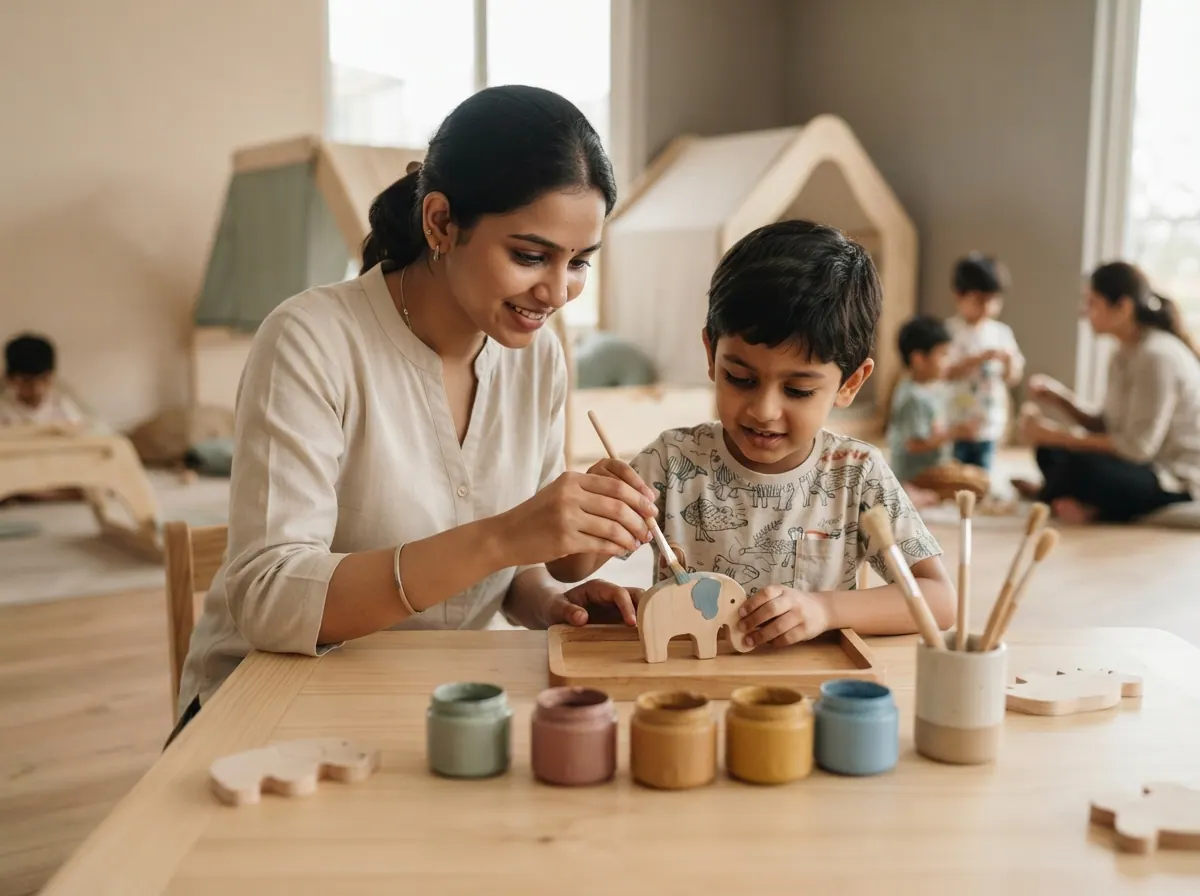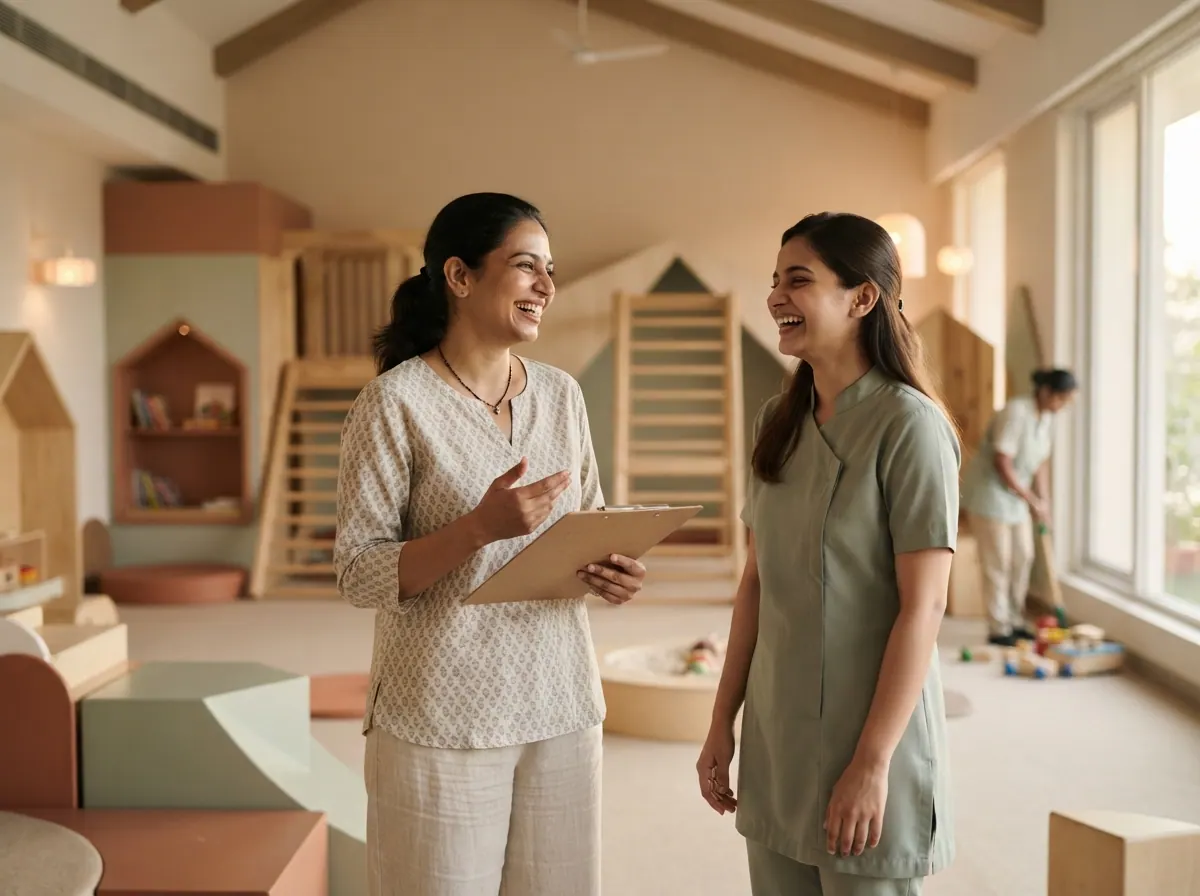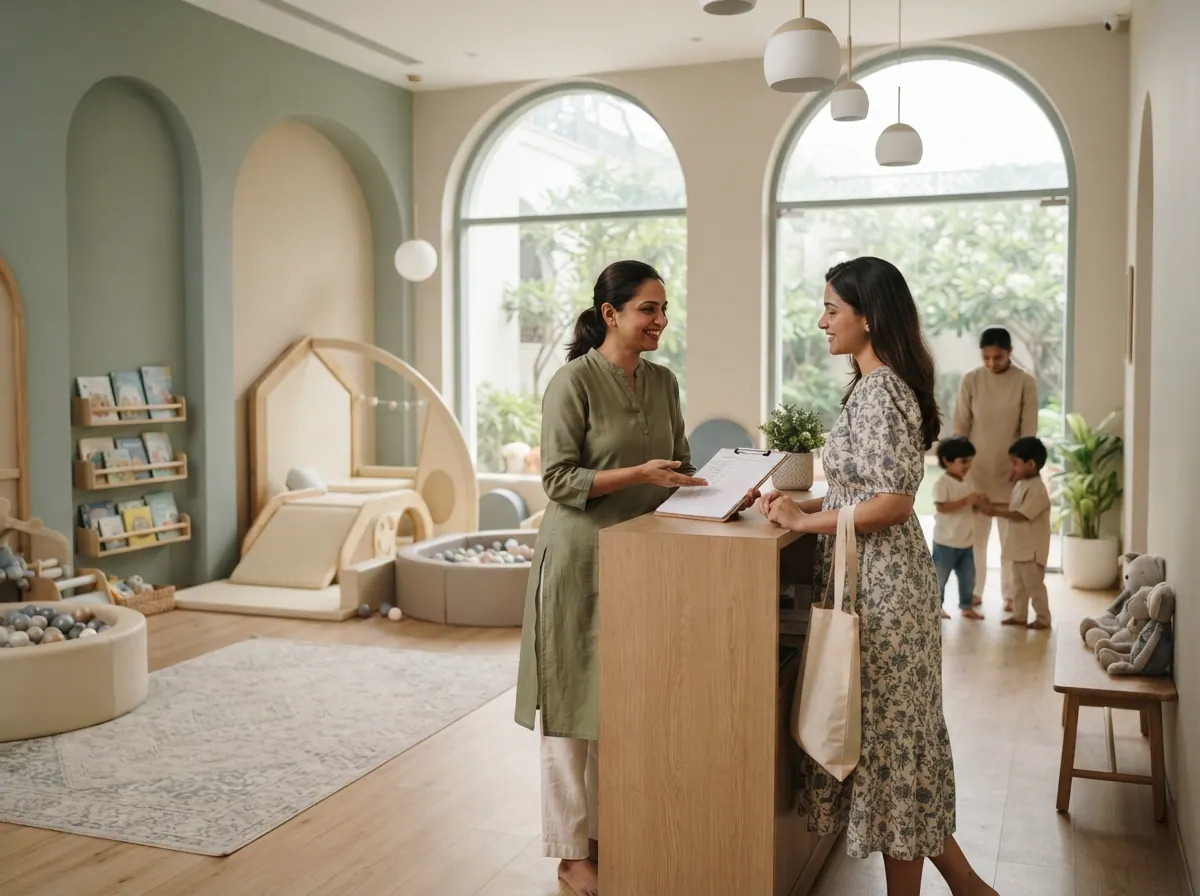
To start a kids play zone in India you need a safe indoor space, soft play equipment on thick padded flooring, trained staff who watch the children all the time, and about ₹3.8–8 lakh for a small play area or ₹11–20 lakh for a bigger zone with climbing, trampolines and games. You earn from entry tickets, birthday parties and snacks. Parents choose a place they trust with their children, so safety and cleanliness matter more than the biggest slide.
All figures here are estimates. Check prices near you before you spend.
What does it cost?
| Item | Small play area (about 800–1,000 sq ft) | Mid-size zone (about 2,000–2,500 sq ft) |
|---|---|---|
| Soft play structure and ball pit | ₹1.2–2.5 lakh | ₹2.5–4 lakh |
| Climbing and trampoline section | none | ₹1.5–2.5 lakh |
| Arcade and games | none | ₹1–2 lakh |
| Foam flooring and wall padding | ₹40,000–70,000 | ₹80,000–1.4 lakh |
| Interiors, painting, AC | ₹60,000–1.2 lakh | ₹1.8–3 lakh |
| Reception, shoe racks, CCTV, snack counter | ₹30,000–60,000 | ₹70,000–1.2 lakh |
| Fire safety and first aid | ₹20,000–35,000 | ₹40,000–70,000 |
| Registration and licences | ₹10,000–25,000 | ₹20,000–40,000 |
| Rent deposit | ₹60,000–1.5 lakh | ₹1.5–3 lakh |
| Cash for the first months | ₹40,000–80,000 | ₹80,000–1.6 lakh |
| Total | about ₹3.8–8 lakh | about ₹11–20 lakh |
Do not save money on flooring and padding. They are the main thing between a child's fall and an injury.
What can a kids play zone offer?
- Soft play for toddlers and young children. Padded slides, tunnels and a ball pit, for ages roughly two to eight.
- A separate toddler corner. Parents with small children do not want them mixed with bigger, faster kids.
- Climbing and trampoline. More exciting but with higher injury risk, so these need more staff and strict rules.
- Arcade and games. Token or card games for older children, with a clear spending limit for parents.
- Birthday party room. A decorated room, a host and a snack package. Parties are often the best income per hour.
- Weekday and school group slots. Playgroups, school visits and summer camps fill quiet hours.
How much can it earn?
Take a small play area in a busy neighbourhood, in an average month.
Income
- 22 weekdays × 12 visits = 264, and 8 weekend days × 35 visits = 280, so 544 visits
- 544 visits × about ₹250 entry = ₹1,36,000
- 5 birthday parties × about ₹8,000 = ₹40,000
- Snacks and drinks: 544 × about ₹25 = ₹13,600
- Total = ₹1,89,600
Costs each month
- Rent = ₹45,000
- Staff: two play supervisors and one cleaner = ₹36,000
- Electricity and AC = ₹12,000
- Party food and decor: 5 × ₹3,000 = ₹15,000
- Cleaning supplies, replacement balls, socks = ₹6,000
- Marketing = ₹8,000
- Repairs = ₹4,000
- Other = ₹3,000
- Total = ₹1,29,000
Left over: ₹1,89,600 − ₹1,29,000 = about ₹60,600 a month, before any loan instalment.
Exam months, bad weather in some cities, and summer holidays out of town can cut visits by a lot. A loan of ₹6 lakh may take a big share of this profit.
What do you need before you start?
- A place where families already go. A mall, a busy residential area, near schools, or next to a family restaurant.
- A safe space. Good ceiling height, a firm floor, two exits, working ventilation and no sharp corners.
- Trained, kind staff. They watch every child, count entries and exits, and know what to do when a child is hurt.
- A clean system. Wipe equipment through the day, wash balls and mats on a schedule, and keep washrooms spotless.
- A parent consent form and a simple entry record with a wristband or token for each child.
Step by step
- Visit five play zones on a weekend. Count how many children are there, how many staff watch them, and what parents complain about.
- Choose a space with good footfall, a firm floor and a safe layout, and check the lease for the right to run a play zone.
- Buy certified soft play equipment from a maker who gives installation and safety guidance. Do not buy random imported toys.
- Install thick flooring and wall padding first, then the equipment.
- Hire and train staff on child safety, first aid, crowd control and talking to parents.
- Set rules: socks, age zones, maximum stay, maximum number of children, and what parents must do.
- Launch with a few birthday party and school offers and ask for reviews from the first families.
Which licences apply?
- Registration, shop or trade licence, and GST. Ask your local body and a CA.
- Fire safety. Exits, extinguishers, wiring and fire clearance. Fire officers often inspect indoor play areas closely.
- Building and use permission. In a mall, the landlord helps with this. In a standalone building, check the permitted use with the municipality.
- Amusement equipment rules. Some states have rules for amusement rides and trampolines. Ask your local office what applies to soft play and trampolines.
- Food licence if you serve snacks beyond packaged items. Ask your food licensing office.
- Insurance for visitors and for accidents.
What goes wrong?
- A child gets hurt. Falls, collisions, finger injuries and trampoline accidents are the biggest concern.
- Hygiene complaints. Dirty balls, smelly mats and unclean washrooms spread fast through parents' groups.
- A child is missing for a moment. A clear entry and exit system with wristbands helps prevent this.
- Weekday emptiness while rent and staff costs stay the same.
- Birthday party disputes about timing, number of guests and food.
- Equipment ages quickly. Torn mats, loose bolts and faded slides need steady repairs.
Situations you will face
What would you do? Each choice costs something.
Getting started
Thin foam tiles are half the price. Thick padded flooring is far safer for falls from slides.
- Lay thick padded flooring: Costly, safer play
- Buy thin foam tiles first: Cheaper, more bruises
A certified maker gives installation and safety checks. A cheap import costs half with no support.
- Buy from the certified maker: Costly, safer and supported
- Buy fewer certified pieces: Smaller play area, safe
A mall unit costs triple the rent but has footfall. A neighbourhood shop is cheap but families must come on purpose.
- Take the mall unit: High rent, more visitors
- Take the neighbourhood shop: Low rent, slower visits
A single room fits more kids. Separate toddler and older zones need a partition and more staff.
- Build separate age zones: Costly, parents trust you
- Use one open space: Cheaper, mixed sizes
A verification service costs money per person. A local person offers to work cheaply with only a reference.
- Verify and train all staff: Costs now, safer children
- Verify only the supervisors: Cheaper, some staff unchecked
Parents like to see CCTV, but cameras for every corner cost money. Fewer cameras leave blind spots.
- Cover the whole floor: Costly, parents feel safer
- Cover entry and exit only: Cheaper, blind spots
The inspector says the zone needs a second clear exit and fire-safe wiring before opening.
- Make the changes now: Costly, open on time
- Delay opening a month: Cheaper, lost weeks
First month
A rival charges ₹200 for two hours. You can undercut or price at ₹300 and justify it with cleaner space.
- Charge ₹200: More visits, thin profit
- Charge ₹300: Better profit, fewer visits
A child scrapes an elbow and cries. The parent is upset and watches how you respond.
- Give first aid and call the doctor: Cost, calm parent
- Offer a free visit only: Cheap, parent still upset
On a Sunday, 70 children are inside a zone made for 40. Staff cannot watch them all.
- Limit entry and use a waiting list: Lost tickets, safer play
- Hire extra staff for weekends: Wage cost, more visitors
A parent writes that the ball pit looks grubby. Washing hundreds of balls is slow and costs money.
- Buy a ball washer, wash weekly: Costly, clean pit
- Wash half now, half next month: Cheaper, slower fix
A family books a party for 25 kids. You have no party room and little experience with a host.
- Set up a party corner and host: Costs now, party income
- Decline the party: No cost, lost income
Many children arrive without socks. Your rule says socks only, and queues form at the counter.
- Sell socks at the counter: Small income, a few complaints
- Give socks free to everyone: Costs you, happy parents
Running it
A playschool wants to bring 30 children every Tuesday morning at a lower rate per child.
- Accept at a group rate: Steady weekday income
- Keep normal prices: Better rate, they may refuse
Older kids ask for trampolines. They bring crowds but also sprained ankles and need an extra supervisor.
- Add it with strict rules: Costly, more older kids
- Add a climbing wall instead: Lower injury risk
A parent complains that their child was pushed and no one noticed. Your staff were busy at the counter.
- Add a floor supervisor, apologise: Wage cost, safer play
- Explain it was minor: Free, trust lost
Parents ask for a two week camp with crafts and games. It needs trained staff and planning.
- Run a paid summer camp: Costs and effort, big income
- Offer only day tickets: No extra work, slower income
The zone gets hot and children are sweaty. The technician can come tomorrow.
- Close for the day, refund tickets: Lost income, no complaints
- Run with fans and breaks: Keeps income, bad reviews
A parent panics when a child is not on the slide. The child was in the toilet, but it scared everyone.
- Add wristbands and a checkout: Costly, safer system
- Remind staff to watch more: Free, it may happen again
Some families come twice a week. A ten-visit card gives them a discount but lowers each visit's income.
- Launch a ten-visit card: Repeat visits, lower income each
- Keep normal tickets: Full price, fewer repeats
When things go wrong
During cleaning, staff find loose bolts and a torn mat on the main slide.
- Close the slide and repair: Costly, safe play
- Close only that slide till Monday: Cheaper, a weekend attraction lost
Several parents say their children caught a cold after visiting. They suspect shared toys and balls.
- Deep clean and shut one day: Lost income, trust kept
- Add sanitiser, stay open: Cheap, partial fix
A franchise zone with a trampoline opens at the mall. Your visits drop by a third.
- Add a new attraction: Costly, fresh interest
- Cut prices for a while: Keeps families, thin profit
Two trained supervisors resign. A weekend with new staff could mean unwatched children.
- Hire and train quickly: Cost, short weekend limit
- Cap entry at half capacity: Safe, lost ticket income
The mall wants 30 percent more rent at renewal. Moving would mean new fit-out costs.
- Negotiate a smaller rise: Some rise, you stay
- Accept and raise ticket price: Keeps place, fewer visits
Visits fall on weekdays during exams. Rent and staff costs stay the same.
- Offer weekday hobby classes: Cost, extra income
- Cut weekday hours: Saves wages, fewer visitors
Growing
A play zone brand offers its name and designs for a fee and a share of income. You are not sure of its terms.
- Read terms with a lawyer: Fee now, informed choice
- Sign quickly for the brand: Costly, uncertain terms
Parties earn well but block play space. A separate room needs space, decor and a second host.
- Build a party room: Costly, higher party income
- Hold parties after closing: Cheap, limited slots
Families in another part of town ask for a branch. It needs a new fit-out, staff and a manager.
- Open the second zone: Big cost, more families
- Add a toddler corner at the first: Smaller cost, steady growth
Parents wait for hours. A small cafe corner earns from snacks but needs a food licence and a cook.
- Start the cafe corner: Costly, extra income
- Sell packaged snacks only: Low cost, small income
Is it right for you?
A kids play zone suits you if you are patient with children and parents, care deeply about safety and cleaning, and can handle weekends and school holidays at work. It suits you less if you want quiet weekends, or if you plan to save money on safety, because that is where a play zone can fail.
A good test: spend two weekends watching a busy play zone from the parents' seats, and note how staff handle crying children, queues and spills. If you can do that well, then plan a small zone in a place families already visit.