A franchise gives you a known brand, a tested menu or product range and a supply chain, but it costs far more to start and you pay a royalty on every month's sales. Your own shop is much cheaper and you keep everything you earn, but you build the name, the menu and the customer base yourself. For most people with under ₹5 lakh, an own small business is the realistic route. Franchises start to make sense when you have ₹10 lakh or more, a prime location, and want lower product risk in exchange for lower margins.
Below are real franchise figures from our research (Chai Sutta Bar, Amul, Bata, Lenskart, salon and gym chains, and others), compared with the cost of running the same kind of business under your own name.
Franchise vs own shop at a glance
| Franchise | Own shop | |
|---|---|---|
| Upfront cost | High: franchise fee plus brand-specified fit-out | Low to medium: you choose the format |
| Ongoing fees | Royalty (2–15% of sales) plus marketing levy | None |
| Brand and footfall | Known name brings customers from day one | You build it slowly |
| Menu, prices, suppliers | Fixed by the brand | Your choice |
| Location | Brand often needs a prime, larger site | Can start on a cart or home front |
| Payback | Often 12–36 months (brand claims) | Often 1–12 months for small formats |
| Exit | Bound by the agreement | You can close or change any time |
What do popular franchises in India actually cost?
All figures below come from third-party guides and company statements collected in our research notes. Few brands publish official franchise disclosures in India, so treat them as indicative and confirm directly with the brand.
Chai franchises (Chai Sutta Bar and others)
- Chai Sutta Bar: total investment ₹16–30 lakh, kiosk or express format ₹10–14 lakh, franchise fee ₹6–12 lakh, royalty quoted variously at 2%, 4% or 4–6%, space 150–2,000 sq ft, payback 12–18 months claimed, 650+ outlets claimed (OkCredit). These are blog figures, not company-confirmed.
- Chai café franchises in general: ₹10–30 lakh capex, 2–6% royalty, and an average bill of ₹150–250, so they rely on ticket size rather than volume. Our notes put their payback at 12–30 months.
- Chaayos-type café: a royalty of about 5% of monthly revenue plus a marketing contribution (aggregator listing; may be stale).
- Scale is not the same as profit: organised chains such as Chaayos (about ₹311 crore revenue in FY25) and Chai Point (about ₹235 crore) were still loss-making, according to our notes.
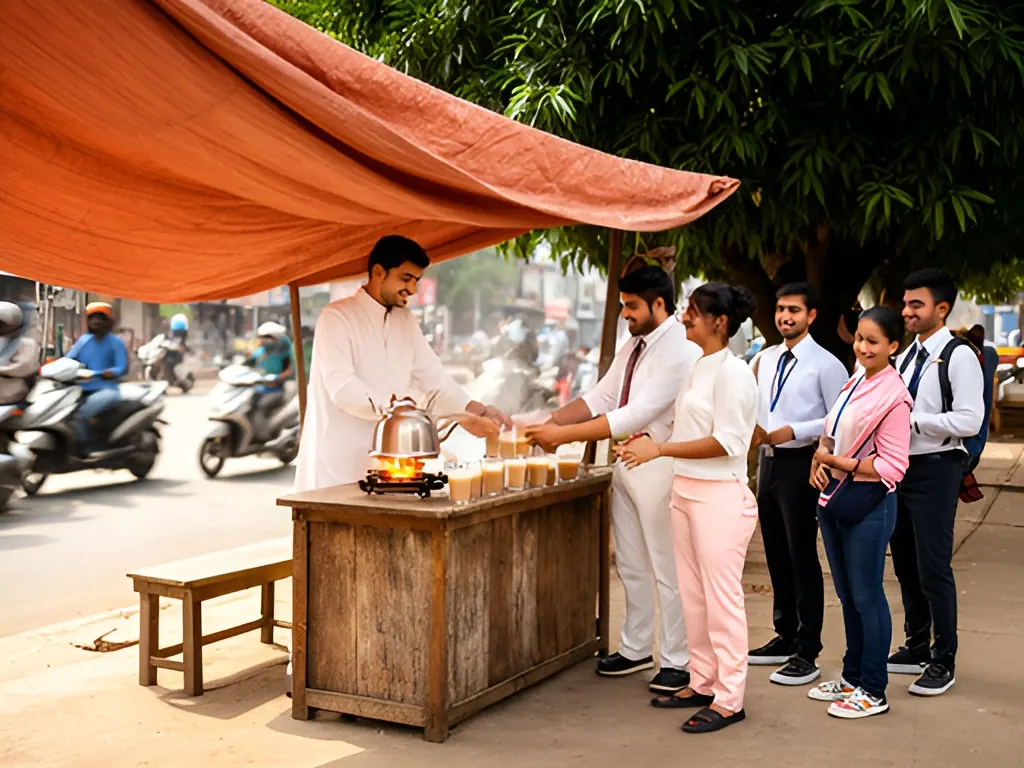
Compare that with an own Chai business stall: a cart costs about ₹25,000 and a tapri about ₹60,000. Our notes estimate a ₹40,000 tapri can break even in roughly 40–60 operating days at about ₹1,000 a day contribution.
Amul parlour and outlets
- Preferred outlet, kiosk or railway parlour: ₹2–5 lakh, no royalty, usually no security deposit (Kanakkupillai).
- Amul scoop parlour: about ₹6 lakh, made up of a ₹50,000 non-refundable brand security, about ₹4 lakh renovation and about ₹1.5 lakh equipment (Calcguru).
- Margins are thin on packaged stock: about 20% on pre-packed ice cream (another guide says 25–30%), about 50% on scoops and recipe items, about 2.5% on pouch milk and about 10% on milk products.
This is the closest thing to a "franchise under ₹2–5 lakh" from a major brand. The trade-off is that much of what you sell carries a low margin, so footfall and location decide whether it pays. See the Ice cream parlour and Dairy farm guides.
Bata and footwear
A Bata unit franchise is quoted at ₹30–50 lakh excluding land, on 1,000–2,000 sq ft, with a three-year renewable term and a claimed 2–3 year payback (IndiaFilings, a third-party guide). Corner locations on a prime high street are preferred. A small multi-brand Footwear shop shop needs roughly a quarter to an eighth of that capital, but you carry the risk of wrong sizes and dead stock yourself.
Lenskart-type eyewear franchise
Lenskart's franchise was historically quoted at about ₹35 lakh in tier-2 markets (about ₹20 lakh for a smaller "Lite" format in tier-3/4 towns), with a 25–30% franchisee margin and no stock risk, but those figures come from an older interview and current terms could not be confirmed. An independent Optical shop shop costs ₹5–15 lakh (IIFL) and keeps a 50–60% blended gross margin, but needs your own optometrist and stock buying.
Salon franchises
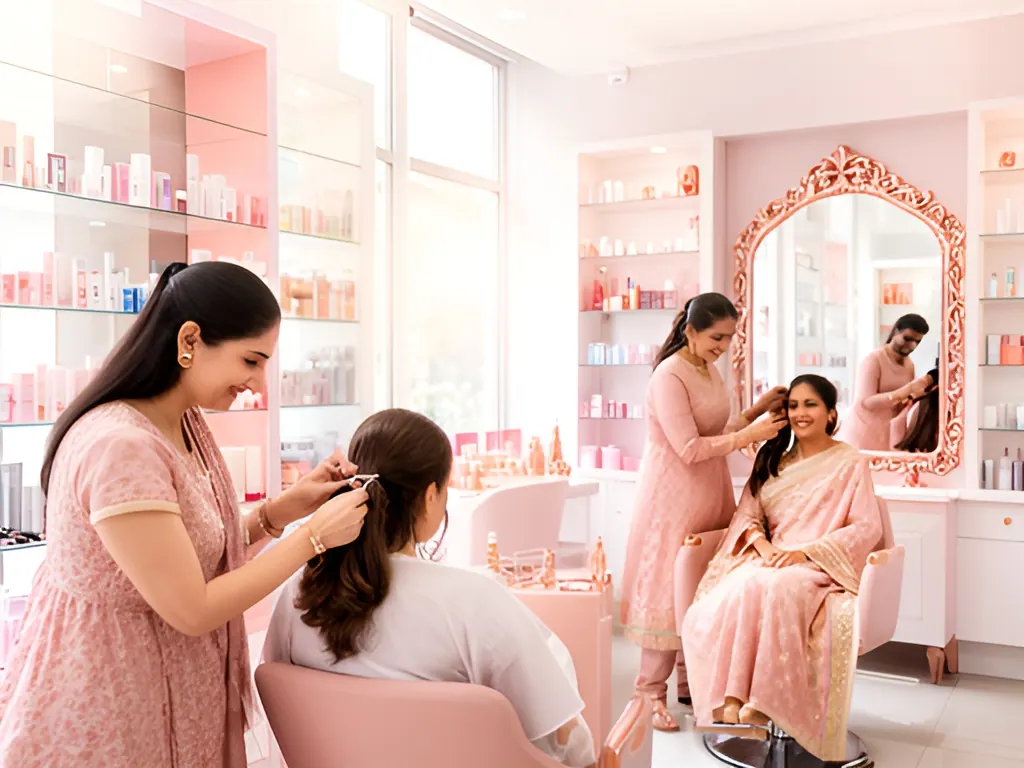
Branded salon franchises such as Lakmé Salon, Naturals and Green Trends are quoted at ₹50–60 lakh, with Lakmé needing at least 900 sq ft and a 30–36 month payback (7knetwork). Royalties of 8–15% of revenue are quoted, but figures conflict across sources. An independent neighbourhood Salon or beauty parlour costs ₹8–18 lakh and typically breaks even in 8–18 months; a two-chair barber shop or home parlour costs far less.
Gym franchises
- Anytime Fitness: ₹2.5–3.5 crore, 3,500–5,000 sq ft, about a three-year breakeven target, franchise fee reportedly ₹20 lakh, and a fixed monthly royalty.
- Gold's Gym: about ₹1 crore (Activ), ₹1.5–2 crore (Express) and ₹2.5–4 crore (Regular).
- cult.fit: ₹1.8–3 crore, with about 25% ROI advertised (unaudited).
A budget neighbourhood Gym costs about ₹5–15 lakh. Big-box gym franchises are a different scale of business, usually financed with bank term loans.
Other franchises in our research
- Paan: tobacco-free paan brand kiosks at ₹7–8 lakh (café formats ₹11–14 lakh); a smaller paan franchise listed at about ₹2 lakh plus 18% GST with a ₹21,000 non-refundable booking. One brand claims up to 50% net margin, which we treat as marketing. An own Paan shop gumti costs about ₹70,000.
- Juice bars: listed at ₹2 lakh to ₹1 crore, commonly ₹10–20 lakh. Organised juice chains have historically had net margins of 10% or less.
- Pizza (La Pino'z type): ₹20–30 lakh for delivery, ₹35–50 lakh dine-in, royalty about 4–6% of net sales.
- Car wash detailing: from about ₹15 lakh, up to ₹30–40 lakh for 3M Car Care, royalty 0–10%.
- Pharmacy (Apollo): ₹25–50 lakh including a ₹5–10 lakh fee (third-party blog).
What does the same business cost under your own name?
Here are own-format starting costs for the same categories, with tier-2 monthly profit for a well-run shop before your salary:
| Business | Setup from | Typical shop: setup | Typical shop: profit a month (tier 2 city) |
|---|---|---|---|
| ☕ Chai business | ₹25,000 | ₹60,000 | ₹55,000–₹1.1 lakh |
| 🍃 Paan shop | ₹70,000 | ₹2.5 lakh | ₹21,500–₹78,000 |
| 🥤 Sugarcane juice business | ₹75,000 | ₹75,000 | ₹17,500–₹47,500 |
| 🍨 Ice cream parlour | ₹1.5 lakh | ₹8 lakh | ₹8,500–₹30,500 |
| 💇 Salon or beauty parlour | ₹1.8 lakh | ₹2.5 lakh | ₹40,000–₹78,000 |
| 👓 Optical shop | ₹2.5 lakh | ₹7.5 lakh | ₹86,500–₹2.8 lakh |
| 👟 Footwear shop | ₹1 lakh | ₹6 lakh | ₹86,500–₹3.5 lakh |
| 🏋️ Gym | ₹8 lakh | ₹20 lakh | ₹52,000–₹1.1 lakh |
| 🧋 Café | ₹5 lakh | ₹12 lakh | ₹65,000–₹1.3 lakh |
The gap is large. In most categories the cheapest own format costs a fraction of the franchise, and pays no royalty.
Try it free in the simulator: Chai business
Run a realistic week of this business in 5 minutes before you invest a rupee.
Try it free in the simulator →How royalties change your profit
Royalties are charged on sales, not profit. That matters most in thin-margin or slow months.
- A café doing ₹3 lakh a month in sales at a 5% royalty pays ₹15,000 a month, plus any marketing levy, whether it makes a profit or not.
- A salon doing ₹6 lakh a month at a 10% royalty pays ₹60,000 a month. If its net margin before royalty is 25%, the royalty takes about 40% of the profit.
- A fixed royalty (as some gym brands charge) is even harsher in a weak month, because it does not fall with sales.
Before signing, rebuild the franchise's profit estimate yourself: expected sales × gross margin − rent − wages − royalty − marketing levy − electricity − EMI on the fit-out.
When does a franchise make sense?
A franchise can be the better choice when:
- You have ₹10 lakh or more and can afford a 1–3 year payback.
- You can get a prime, high-footfall location that the brand approves.
- You lack the trade skill but can manage staff and cash well.
- The brand's pull is strong in your town, not just in metros.
- You prefer lower product and supplier risk over higher margins.
Your own shop is usually better when:
- Your budget is under ₹5 lakh.
- You or your family have the skill (cooking, stitching, repairs, beauty).
- Your town is small and the brand is unknown there.
- You want freedom to change prices, menu and hours.
Checklist before you sign a franchise agreement
- Go to the brand directly. Use the brand's official website or office, not an agent or social media page. Never pay a booking amount to an individual.
- Talk to three existing franchisees, ideally in a town like yours. Ask about real monthly sales, royalty, and how long payback actually took.
- Read the agreement fully. Check the term, renewal fee, lock-in, exit penalties, and whether rent, staff and stock risk are yours.
- Ask about territory protection. Get in writing whether the brand can open its own or another franchise outlet nearby.
- Check supply terms. Are you required to buy all stock from the brand, and at what margin?
- Model a bad month, not just a good one: monsoon, a nearby competitor, or a slow festival season.
- Keep working capital of two to three months beyond the brand's quoted investment.
Try before you invest
A franchise or a cart, the numbers only become real when you see them week by week. BizGame is a free learning game, not a way to earn money. It lets you run a realistic week of your own chai stall, café, salon, ice-cream parlour and more in about five minutes, including franchise formats in several businesses, so you can compare royalty-heavy and own-brand set-ups before committing your savings.
Try it free in the simulator: Café
Run a realistic week of this business in 5 minutes before you invest a rupee.
Try it free in the simulator →