The best food business ideas in India depend on your budget. With under ₹50,000, a chai stall, a street food cart or a home tiffin service. With ₹1–3 lakh, a juice stall, a home bakery, a kulfi cart, home catering or a tin-shed dhaba. With ₹5 lakh or more, a cloud kitchen, food truck, ice cream parlour, café or sweet shop. Almost all of them need only FSSAI basic registration (₹100 a year), since it now covers turnover up to ₹1.5 crore. What separates the winners from the losers is rarely the recipe. It's wastage, location and how you handle the slow season.
Below we compare 12 food businesses on setup cost, margin, licences, wastage and seasonality, using our research for each.
Food business ideas compared: setup cost and profit
This table lists every food business in our guides, sorted by the cheapest way to start. Profit is a typical month for the usual format in a tier-2 city:
| Business | Setup from | Typical shop: setup | Typical shop: profit a month (tier 2 city) |
|---|---|---|---|
| ☕ Chai business | ₹25,000 | ₹60,000 | ₹55,000–₹1.1 lakh |
| 🍱 Tiffin service | ₹40,000 | ₹1 lakh | ₹17,500–₹30,500 |
| 🥟 Street food stall | ₹50,000 | ₹50,000 | ₹35,000–₹90,000 |
| 🍃 Paan shop | ₹70,000 | ₹2.5 lakh | ₹21,500–₹78,000 |
| 🥤 Sugarcane juice business | ₹75,000 | ₹75,000 | ₹17,500–₹47,500 |
| 🥐 Bakery | ₹1 lakh | ₹12 lakh | ₹45,000–₹68,000 |
| 🍨 Ice cream parlour | ₹1.5 lakh | ₹8 lakh | ₹8,500–₹30,500 |
| 🍛 Catering business | ₹2 lakh | ₹7.5 lakh | ₹86,500–₹1.1 lakh |
| 🍛 Dhaba or fast-food restaurant | ₹2.8 lakh | ₹8 lakh | ₹86,500–₹1.3 lakh |
| 🧋 Café | ₹5 lakh | ₹12 lakh | ₹65,000–₹1.3 lakh |
| 🚚 Food truck business | ₹5 lakh | ₹12 lakh | ₹52,000–₹78,000 |
| 🥡 Cloud kitchen | ₹5.5 lakh | ₹7 lakh | ₹15,000–₹41,000 |
| 🍬 Sweet shop | ₹6.5 lakh | ₹6.5 lakh | ₹1.1 lakh–₹2.6 lakh |
Two things to keep in mind. First, the setup column is the cheapest format. A bakery starts at home for about ₹1 lakh, but a retail bakery shop costs ₹10–30 lakh. Second, a high profit figure usually comes with a high setup cost and more staff. Compare how many months each one needs to earn back its cost, not just the monthly profit.
Margins, wastage and seasons at a glance
| Business | Gross margin (research) | Wastage risk | Peak season | Slow season |
|---|---|---|---|---|
| Chai | High; a cutting chai costs ₹4.5–6.5 to make, sells for ₹10–15 in T2/T3 | Low (milk) | Winter, monsoon | Peak summer |
| Street food | 55–75% | High for cooked items | Evenings, festivals, fairs | Rain days, Navratri for non-veg |
| Tiffin | 40–45% food cost; variable costs 55–60% | Medium (cook-to-order) | Steady | Student holidays |
| Cloud kitchen | Food cost 28–30% with a tight menu, but apps take 28–40% | Medium | Dinner, rain, New Year's Eve | Floods, festival nights |
| Bakery | About 50% target | 7–10% of production | Christmas–New Year, birthdays | Monsoon (mould) |
| Sweet shop | Namkeen 55–70%; kaju items lowest | High (1–7 day shelf life) | Diwali, Raksha Bandhan, weddings | Summer |
| Juice | Sugarcane 70–80%, fruit 55–60% | Medium (fruit) | April–June | Winter |
| Ice cream | Packaged 20–30%, scoops 50–70% | Melt, power cuts | April–June | Winter, July–August |
| Dhaba | Food cost 28–35% | Medium | Festival travel, winter | Highway diversions |
| Café | 65–75% blended | Bakery and dairy | Weekend evenings, winter | Afternoons, exams, vacations |
| Food truck | Food cost 15–35% | Medium | Events, Oct–Feb | Rain |
| Catering | Food 35–45%, labour 15–20% | Guest-count guesswork | Nov–Feb weddings | Weeks with no wedding dates |
Gross margin is what's left after ingredients. Net profit, after rent, staff, gas, commission and wastage, is much thinner. For cafés it's typically 5–15%, for caterers 8–12%, and for a well-run cloud kitchen 8–12%.
Under ₹50,000: chai, street food and tiffin
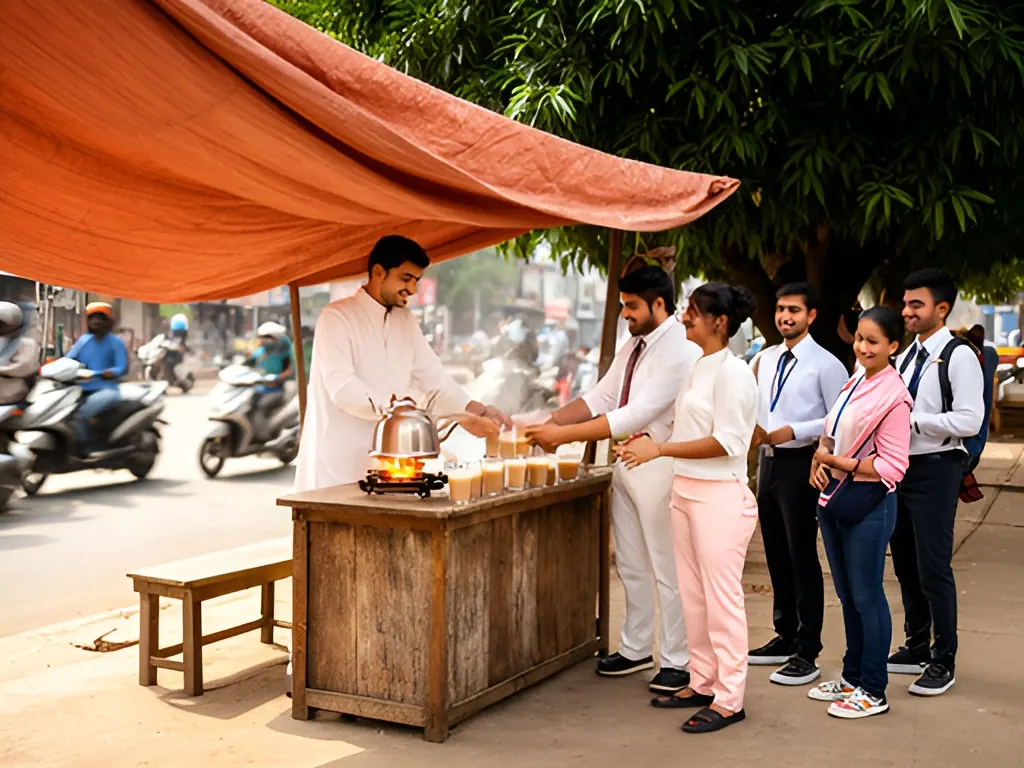
Chai business. A chai cart costs about ₹25,000 in our benchmark. Milk is 50–60% of a cup's cost, and commercial LPG (₹2,810 for 19 kg in Delhi, October 2026) is the fastest-rising input. Ordinary stalls sell 150–400 cups a day; spots near stations, hospitals and colleges reach 1,000–2,000. A single-person tapri earns roughly ₹15,000–40,000 a month net. The ₹10 cup is disappearing: Kerala shops moved to ₹12–15 in May 2026 (Kerala Kaumudi).
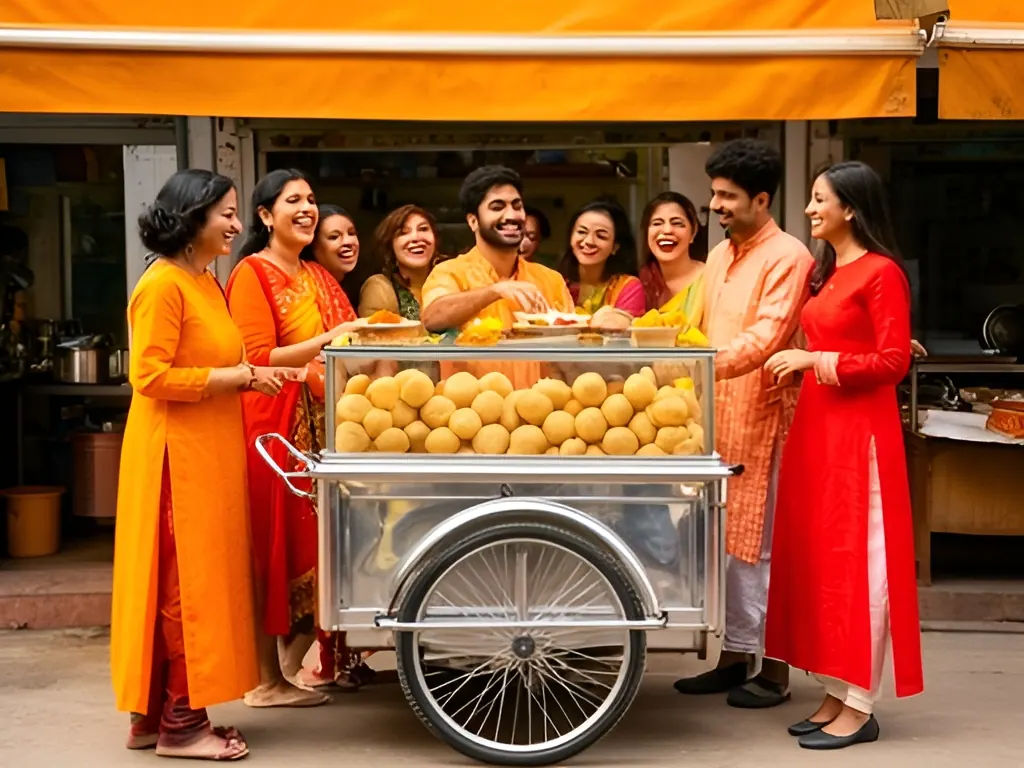
Street food stall. A new steel cart costs ₹35,000–1.15 lakh; guides for momo or vada pav stalls quote ₹15,000–50,000 all-in with a cheap cart. Ingredients are 25–45% of the price, so gross margins are high, but plates are cheap, so volume (100–800 plates a day) decides income. Our estimate for an owner-run stall is ₹15,000–50,000 a month net. Viral videos claiming lakhs a month are outliers. The real risks are eviction drives, monsoon health scares (pani puri sales drop 15–35% on rain days), and tomato, oil and LPG price spikes.
Try it free in the simulator: Street food stall
Run a realistic week of this business in 5 minutes before you invest a rupee.
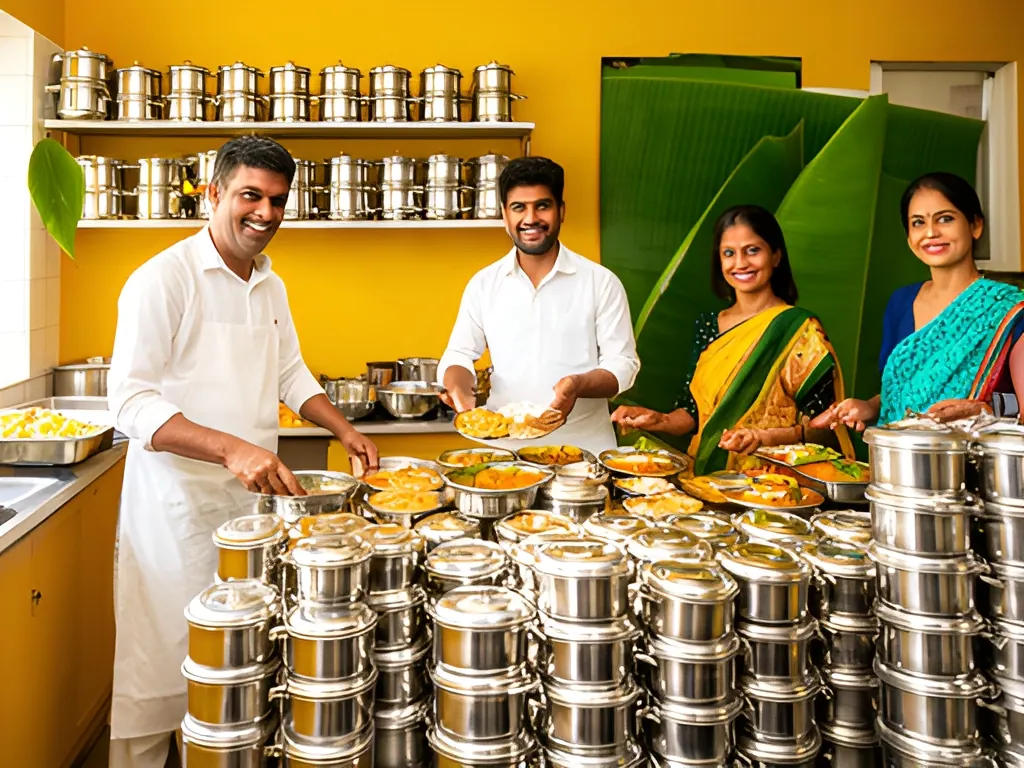
Try it free in the simulator →Tiffin service. A home kitchen setup is ₹10,000–50,000. Our research puts a tier-2 operator with about 35 subscribers at ₹4,000–7,000 net a week. Because subscribers order in advance, wastage is lower than for a stall, but student holidays can cut revenue by 35–60%.
₹1–3 lakh: juice, home bakery, kulfi, dhaba and home catering
Sugarcane juice business. A sugarcane cart with a budget crusher (₹25,000–35,000) earns 70–80% gross margins, but volume halves outside summer. A fruit juice shop is less seasonal because the menu rotates (mango in summer, orange and mosambi in winter), but its margin is lower, about 55–60%.
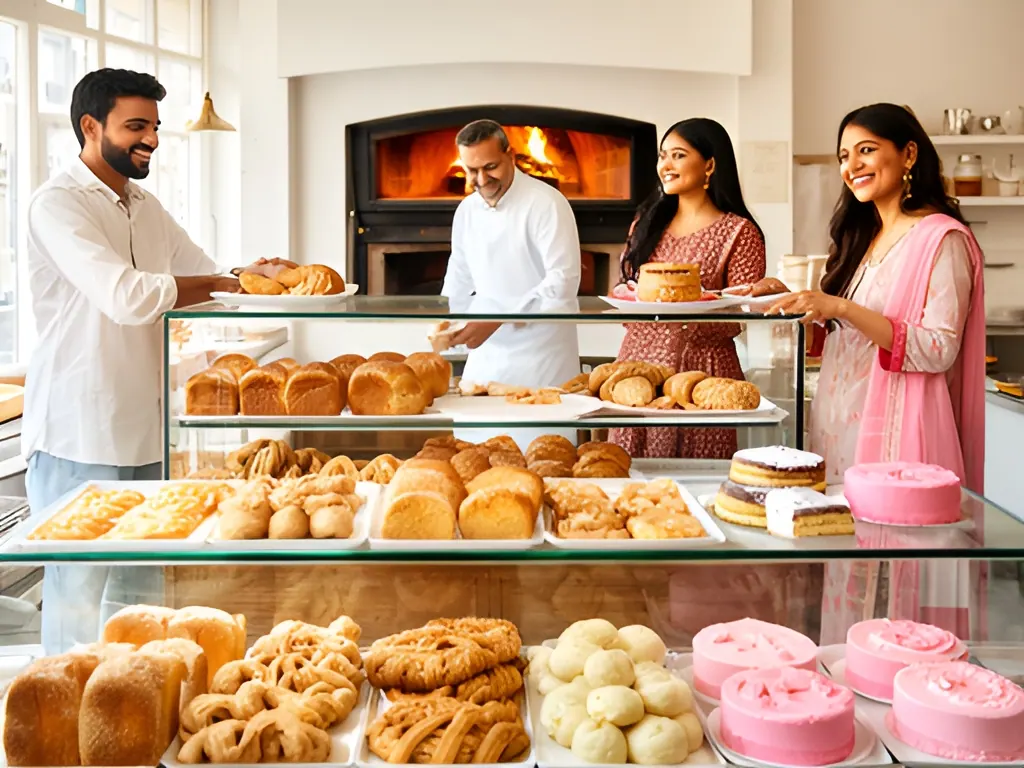
Bakery (home). About ₹0.5–1.5 lakh for an OTG, mixer and moulds. Price at about twice your cost of ingredients, labour, packaging and gas. Wastage across Indian bakeries runs 7–10% of production (Bhardwaj et al.). Christmas and New Year are the biggest season, when cake demand can be two to four times normal.
Ice cream parlour (kulfi or softy cart). A cart costs about ₹1.5–3 lakh. One kulfi cart owner takes home about ₹1,400–2,100 a day in season. In winter, street softy sales drop 60% or more and kulfi about 30%.
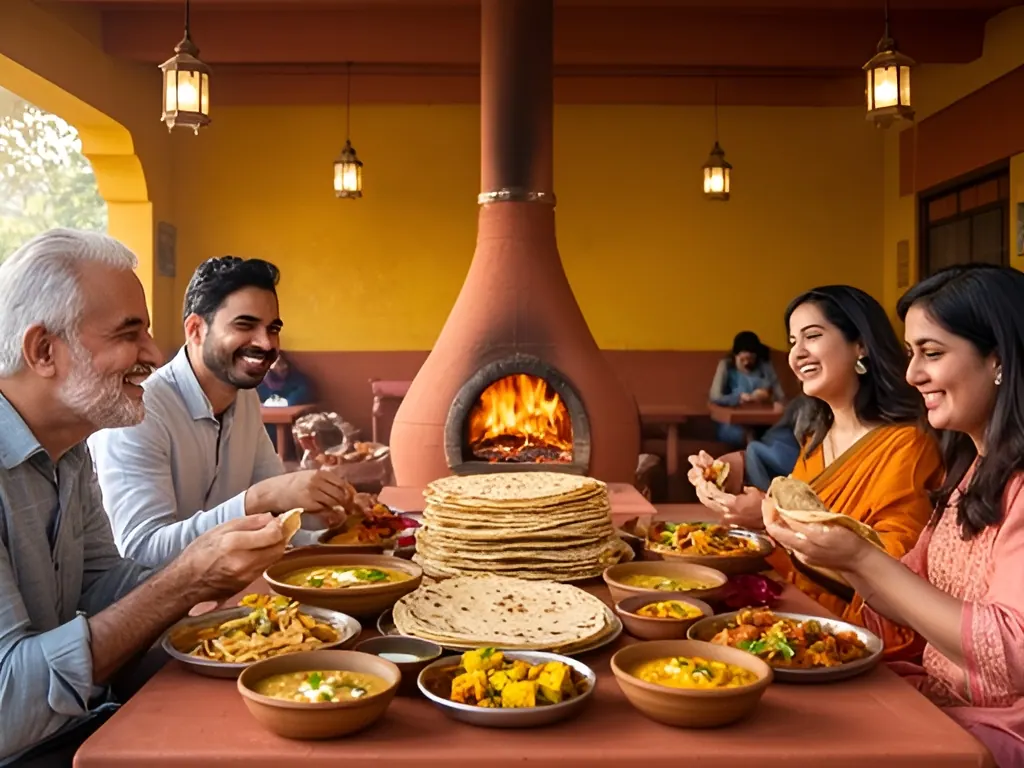
Dhaba or fast-food restaurant. A tin-shed highway dhaba starts at about ₹2–3 lakh. Thalis sell for about ₹80–150, and food cost should stay at 28–35%; above 35% is a warning sign. Small dhabas claim 20–40% net margins because rent is tiny and the owner cooks. The ideal spot has truck parking and no other dhaba for 20–30 km.
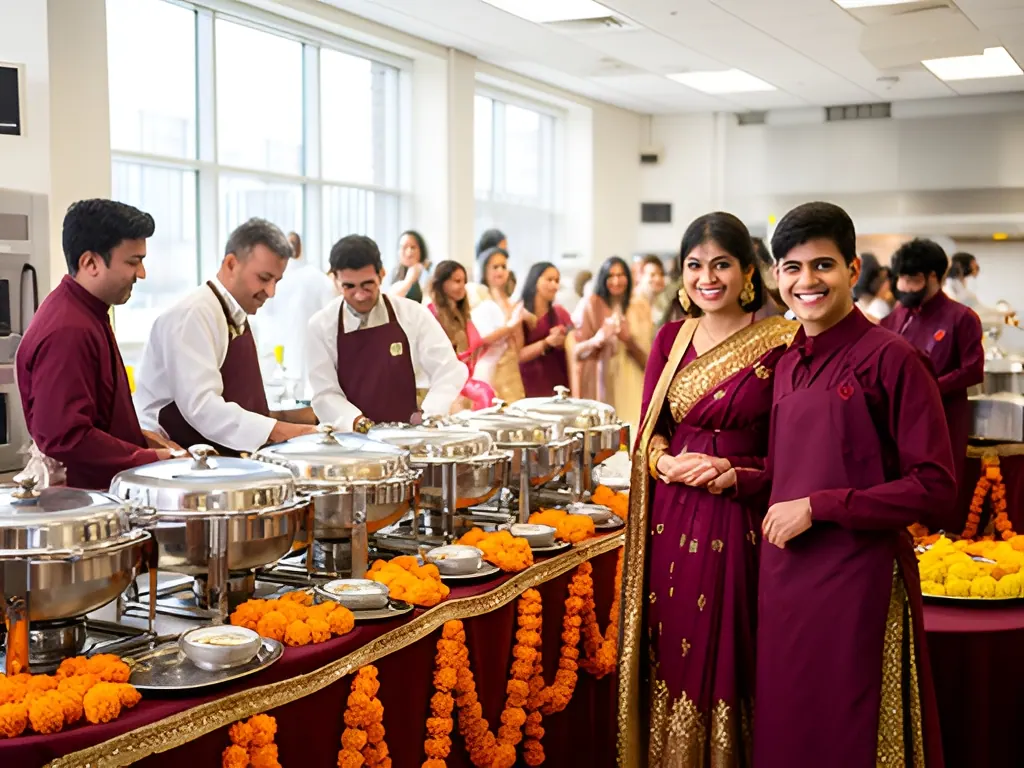
Catering business (home-based). About ₹2 lakh in our benchmark. Catering is a project business: food is 35–45% of the plate price, labour 15–20%, and the average caterer keeps 8–12% net. Nov–Feb weddings bring 40–50% of annual income. In 2026 there were no Hindu wedding dates from August to October, then 4 in November and 7 in December (The Wedding Focus). Always take an advance and agree a minimum guest count.
₹5 lakh and above: cloud kitchen, food truck, ice cream parlour, café and sweet shop
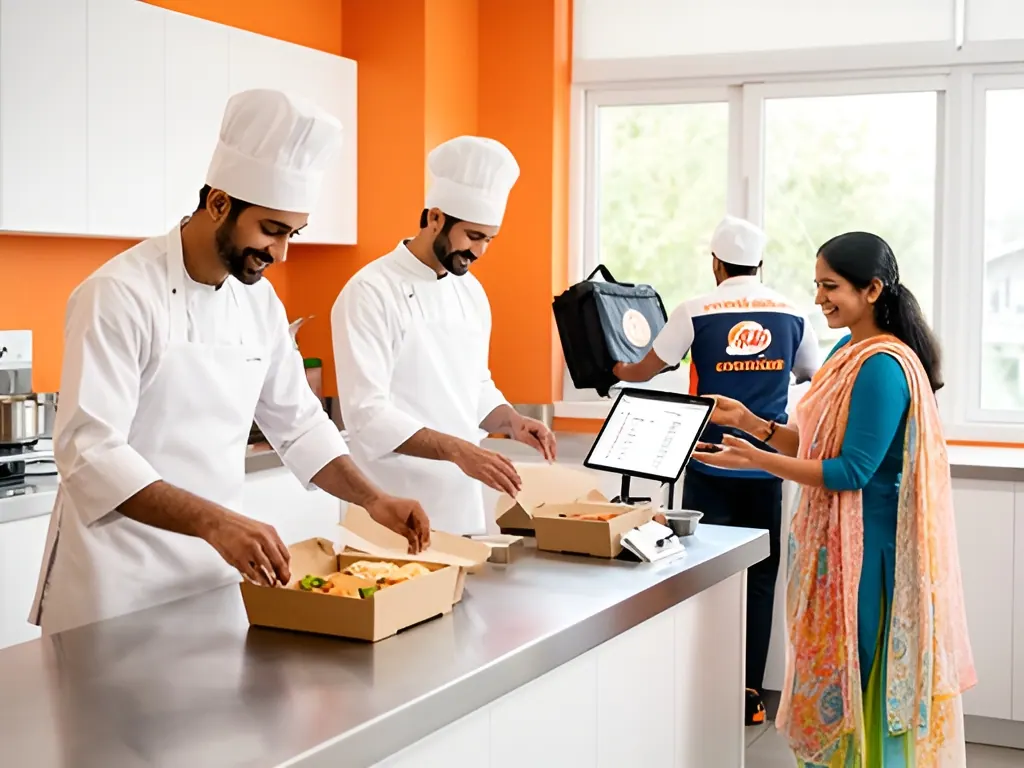
Cloud kitchen. About ₹5–8 lakh for a tier-2 kitchen. Commission is 16–30%, and once 18% GST on commission, gateway fees, ads and discounts are added, apps take 28–40% of the menu price (Inc42). Break-even is about 40–65 orders a day, and 25–30% of metro cloud kitchens close in year one. One upside: since 2022 the app pays the 5% GST on orders placed through it.
Food truck business. About ₹5–15 lakh. India has no national food-truck law; you need FSSAI and RTO approval for the body modification, and street parking falls under local vending rules. Rain kills sales, and exit rates are high: about half of Bengaluru's trucks closed within six months in 2015–16.
Ice cream parlour (parlour). An own-brand 300 sq ft parlour in a tier-2 city costs about ₹7–14 lakh, and electricity alone runs ₹12,000–18,000 a month. April–June is the peak; July–August "just covers costs".
Café. A small café costs ₹8–25 lakh. Coffee earns 70–80% gross, but rent, staff and slow afternoons leave 5–15% net for a typical independent café, with payback in 12–24 months.
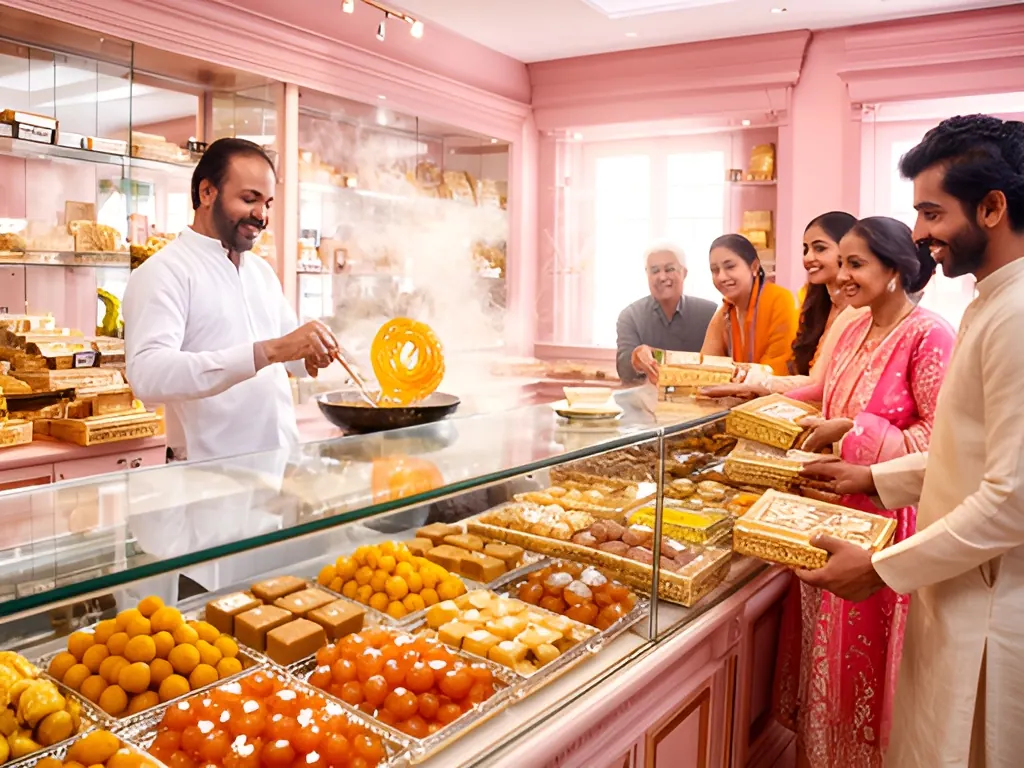
Sweet shop. A small halwai shop costs about ₹6.5 lakh in our benchmark. Diwali alone can bring a third of a sweet shop's yearly sales. Since 1 October 2020, every tray of loose sweets must show a "best before" date, and FSSAI's indicative shelf lives run from the same day (kalakand) to 4 days (khoya and peda) and 7 days (kaju katli). Food-safety raids before Diwali and Holi target khoya, ghee and paneer.
Which licences does a food business need?
FSSAI. From 1 April 2026, basic registration (₹100 a year) covers turnover up to ₹1.5 crore, a State licence covers ₹1.5–50 crore, and a Central licence covers anything above ₹50 crore. Registrations are now valid indefinitely, and municipally registered street vendors are deemed registered (FSSAI order). That means almost every stall, home kitchen, small dhaba and bakery needs only the basic registration. A busy sweet shop or caterer in a big city may cross ₹1.5 crore and need a State licence.
Other permits, by format:
- Carts and stalls. A Certificate of Vending from the Town Vending Committee under the Street Vendors Act. PM SVANidhi loans (₹15,000 → ₹25,000 → ₹50,000) need this certificate or a letter of recommendation.
- Shops, cafés, dhabas, bakeries. Shop & Establishment registration, a municipal trade or health licence and, for dine-in, an eating-house licence in some cities. A fire NOC is needed above about 50 seats in Delhi; smaller places file a fire-safety affidavit.
- Food trucks. RTO approval for the body and local permission for where you park.
- GST. Registration is needed above ₹40 lakh turnover for goods or ₹20 lakh for services. Restaurant food is 5% without input tax credit; mithai, namkeen, cakes and ice cream are also at 5% since 22 September 2025.
- Gas. Use commercial LPG. Domestic cylinders are illegal for business use and can be seized.
How do wastage and seasons decide who survives?
Most food businesses that fail don't fail on taste. They fail because:
- They cook for the best day every day. A bakery that bakes Saturday's quantity on a Tuesday throws away its margin. Track what's left each night and adjust.
- They forget the slow season. Ice cream in December, catering in a no-muhurat month and a college stall in May all have rent but few customers. Save in the peak to pay for the dip.
- They ignore input prices. Tomato wholesale prices jumped 59% year on year in June 2026, edible oil rose about 20% to September 2026, and milk went up ₹2 a litre in May 2026. Review your prices every few months instead of absorbing every rise.
- They lose the spot. For carts and trucks, a legal, busy location is worth more than any marketing.
Try before you invest
Every food business above has a free BizGame simulator built on these numbers. You can play a monsoon week at a Street food stall cart, a Diwali rush at a Sweet shop or a wedding season as a caterer, in about five minutes. It is a learning game, not a way to earn money, but it shows you how wastage, prices and seasons hit the bottom line before you buy a single cylinder.
Try it free in the simulator: Sweet shop
Run a realistic week of this business in 5 minutes before you invest a rupee.
Try it free in the simulator →